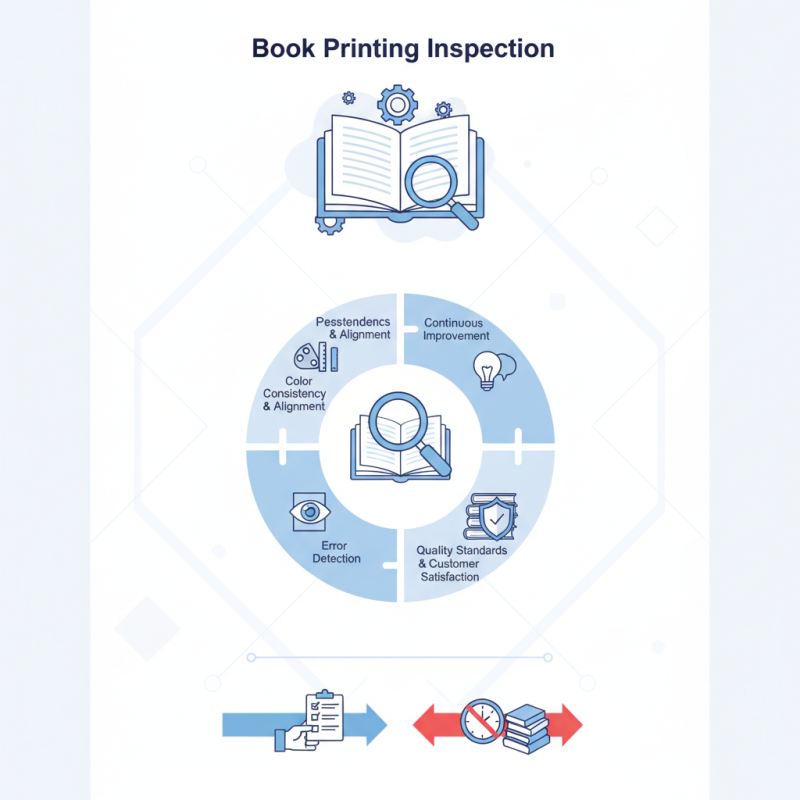
Essential Guide to Book Printing Inspection Tips and Best Practices?
In the world of publishing, the importance of Book Printing Inspection cannot be overstated. According to John Smith, a renowned expert in the field, "Quality in printing stems from a meticulous inspection process." This principle guides printers and publishers alike. Effective inspection ensures that each book meets high standards, catching errors before they reach the reader.
Visual details, such as color consistency and alignment, play a crucial role. A slightly misaligned cover can detract from the reader’s experience. In the hustle of deadlines, professionals may overlook potential flaws. Yet, this oversight can lead to costly reprints and dissatisfied customers.
Neglecting the inspection phase may also foster a culture of complacency. The quest for perfection in Book Printing Inspection demands vigilance and reflection. Every book carries a message, and protecting that message means taking a closer look.
Understanding the Importance of Book Printing Inspection
When it comes to book printing, inspection plays a vital role. It ensures that the final product meets quality standards. Poor inspection can lead to visible errors, affecting the reader's experience. Pages may be misaligned, colors may not match, or text could be unclear. Such issues can frustrate both authors and readers.
Here are some tips for effective book printing inspection. Start by reviewing proofs thoroughly. Look for typos, formatting errors, and layout problems. Use a checklist to track your findings. Consider using a magnifying glass to spot small details. This kind of attention can help catch mistakes that are easy to overlook.
Also, don't hesitate to seek feedback. Show your proofs to someone else. Fresh eyes can spot issues you might miss. However, remember that even the best inspections might not catch everything. It’s essential to embrace imperfections. Reflecting on what went wrong is part of the learning process. This knowledge can enhance future projects.
Key Elements to Inspect Before Book Printing
When preparing for book printing, inspecting key elements is crucial. Start by checking the manuscript for typos and formatting errors. Pay attention to margins, fonts, and spacing. Picture how these details will reflect in the final print. A misplaced comma can alter the meaning. Ensure every page flows logically. This is the reader's first impression.
Next, evaluate the cover design. It should resonate with the book's content. The colors must complement the theme. Check image resolutions and alignment. A blurry image will detract from quality. Consider how the cover feels in hand. A textured finish can enhance tactile engagement.
Lastly, assess paper quality and binding options. They play a significant role in the book’s durability. Thinner paper may save costs, but affects the overall feel. Binding should allow the book to lay flat when opened. A poorly bound book can frustrate readers. Address these details before printing to ensure a polished final product. Consider what you might overlook in your excitement to publish.
Best Practices for Quality Control in Book Printing
Quality control in book printing is essential for delivering a polished final product. Inspecting printed materials early in the process can help catch errors before they become costly. Regular checks during printing ensure colors are vibrant and aligned properly. Inspecting paper quality is equally important. Any imperfections can affect the overall look and feel of the book.
Pay attention to details like binding and trimming. Misaligned pages can ruin an otherwise beautiful book. It's easy to overlook such flaws in a large print run. Make it a point to analyze physical samples. Check for issues that might not show up on digital proofs. This can include color shifts or improper margins.
Communication with your printing team is crucial. Share your quality expectations clearly. Discuss any previous issues that may arise. Learning from mistakes is vital in this industry. Each printing project provides insights. Reflect on what went well and what can be improved. Quality control is an ongoing journey, not a destination.
Common Printing Issues and How to Spot Them
When inspecting printed books, it’s crucial to identify common issues that can affect quality. Look for color inconsistencies. Pages may appear overly bright or dull. Such discrepancies can alter the reader's experience significantly. Be diligent with your observation. A slight shade difference may go unnoticed, but it matters in the final product.
Next, examine the alignment of text and images. Misalignment can lead to an unprofessional look. An improperly aligned page can ruin intricate designs. Pay attention to margins, as they should be even. If margins seem uneven, the book may need reprinting.
Another common issue is paper quality. It can vary from page to page. Thicker paper might be used in some sections while thinner paper appears in others. This inconsistency can feel odd when flipping through the pages. Keep an eye out for any visible defects like tears or creases. These flaws detract from the overall presentation. Even small imperfections can leave a lasting impact on the reader's perception.
Final Review Checklist for Book Printing Quality Assurance
When it comes to book printing, the final review is crucial. A survey by the Book Industry Study Group found that 30% of printing errors go undetected until after the book is published. This underscores the need for a solid inspection process. A checklist can help catch these issues early. Look for color consistency throughout the pages. Any variations can disrupt the reader's experience.
Binding strength is another key aspect. According to research, 15% of printed books experience binding failures in their early use. Inspecting the spine and margins can prevent this. A good tip is to open a few copies and analyze how they lay flat. Unevenly trimmed pages can also lead to an unprofessional look, emphasizing the need to double-check measurements.
Finally, consider the paper quality. A report from PIRA International states that about 20% of book returns are due to paper defects. Checking for smoothness and weight can help avoid this. Feel the pages. Are they sturdy enough? An external inspection does not guarantee total quality. Relying solely on automated systems can miss subtle flaws. Regular hands-on reviews are essential for maintaining high standards in book printing.