How to Build a Prefab Container House on a Budget?
In recent years, the popularity of Prefab Container Houses has surged. These innovative structures offer an affordable, sustainable solution to housing needs. According to a report by the Modular Building Institute, the modular construction industry is projected to grow by 6% annually. This growth is largely due to budget-conscious homeowners seeking efficient designs without compromising quality.
Expert Michael Johnson, a leading voice in the container home industry, states, "Prefab Container Houses are no longer just a trend; they represent a viable housing solution for many." His insight emphasizes the importance of understanding material costs and labor when planning a budget. However, building a Prefab Container House isn't without its challenges.
For instance, unforeseen costs can arise during construction. It’s crucial to consider site preparation and permits, which can add significant expenses. Additionally, ensuring high-quality insulation and energy systems can be overlooked by first-time builders. As the market evolves, potential buyers must weigh these realities while exploring the exciting possibilities of Prefab Container Houses.
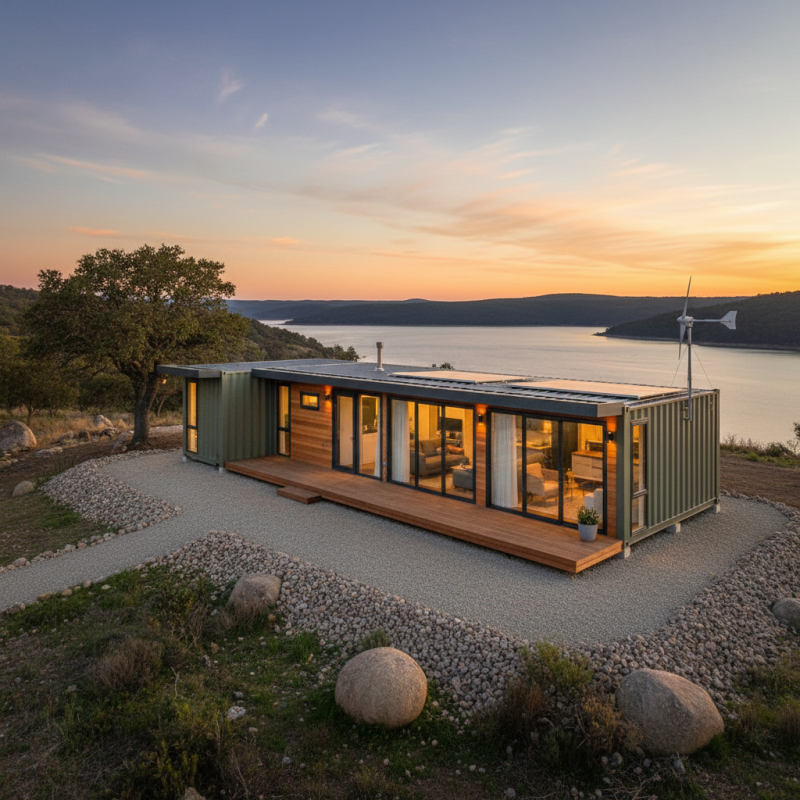
Choosing the Right Container for Your Prefab House Project
Choosing the right container is crucial for building a prefab container house on a budget. The type and condition of the shipping container will significantly impact your project’s overall cost. According to industry reports, new containers can range from $2,000 to $6,000, while used containers typically cost between $1,200 and $3,500. It’s essential to consider factors like size and structural integrity when choosing.
Containers are available in various sizes, mostly 20-foot and 40-foot options. A 20-foot standard container can provide about 160 square feet of livable space. However, structural modifications may be necessary for larger projects, raising costs and complexity. Not all containers are equal. Some may have rust, dents, or structural flaws. Getting a thorough inspection can be an extra expense, but it’s a useful investment.
Besides cost, think about the container's structural suitability. Not all containers are meant for conversion into homes. Some are designed for cargo, while others may have been involved in hazardous material transport. This history can affect durability and safety. It’s worth noting that buyers should verify the container's history to ensure it meets safety standards. Ignoring these factors can lead to unexpected issues down the road.
Planning Your Container House Design on a Budget
When planning your container house design on a budget, focus on simplicity. Consider using a single container as a base. This approach reduces costs significantly. Opt for basic finishes and materials, which can save money. Remember, less is often more in design.
Think about the layout. An open floor plan can create a spacious feeling. However, it requires careful planning. You may need to adjust your ideas as you go. Reflection is key. For example, where will you place windows for natural light? What about ventilation? Sketching different layouts may help visualize the space.
Don’t forget about insulation. Even lightweight options can be costly. Choose eco-friendly materials that won’t break the bank. Additionally, prioritize essential features first. This ensures you stay within your budget. If you run into unexpected expenses, be ready to rethink your choices. Flexibility will help you stay on track and create a comfortable living space.
Essential Tools and Materials for Building a Prefab Container Home
Building a prefab container home on a budget requires careful planning and the right materials. The foundation is crucial. You’ll need concrete blocks or piers to create a stable support. If you choose a permanent foundation, it could increase costs quickly. Don’t overlook the importance of insulation, especially in extreme climates. Use spray foam or rigid board insulation for better energy efficiency.
Essential tools include a power drill, angle grinder, and a welding machine if you plan on modifying the container. You'll need basic hand tools like hammers, screwdrivers, and tape measures. Safety gear like gloves and goggles is a must. Don't forget to budget for these tools; they can add up. Additionally, consider reusing materials. Salvaged windows and doors can cut down on costs.
You might encounter unexpected challenges. Rust on the container can be an issue. Be prepared to spend time and money on sealing and painting. Not every project will go as planned. Some walls may need extra support or finishing touches. Keep in mind that building a home takes patience. Embrace the learning process; every misstep can guide you toward a better final result.
Cost-Saving Construction Tips for Your Container House
Building a prefab container house can be budget-friendly if you choose wisely. Start by sourcing used containers. They are often cheaper than new ones and still sturdy. Look for local vendors or auctions. Inspect containers carefully for any damage. This step is crucial to avoid future repair costs.
Next, consider DIY for certain tasks. Electrical and plumbing work can be contracted, but painting or insulation can be done personally. This saves significant amounts. Materials for interiors can often be found at recycled suppliers. You might find unique and inexpensive options, like reclaimed wood or upcycled fixtures. However, be ready to spend time hunting for these treasures.
Don't overlook permits and planning. Budget for these essentials upfront. Missing them can lead to fines or delays. Create a realistic budget that includes some flexibility. Costs may creep up unexpectedly—this is part of the process. Adjusting your plans along the way can lead to creative solutions and save money in the long run.
Final Touches: Budget-Friendly Interior and Exterior Options
Creating a prefab container house on a budget can be challenging. Focus on affordable interior and exterior options to achieve a stylish outcome. According to a recent industry report, the average cost of interior renovations for prefab homes can range from $15 to $30 per square foot. This estimate provides room to adjust according to your budget.
For the interior, consider using recycled materials. Pallet wood can make stunning feature walls. Use paint or stain to enhance the visual appeal. Open floor plans are not only trendy but also cost-effective. They require fewer materials and labor. Additionally, simple furniture from local artisans supports small economies while keeping costs low.
When it comes to exterior touches, creativity is vital. Use cement board siding or metal cladding for durability. Typically, these materials cost less than traditional wood siding. Incorporating landscaping can also improve aesthetics. Simple plants or rocks can create a welcoming environment. Be mindful, though. Overly ambitious landscaping may skyrocket your budget. Balance is key. Reflect on spending priorities and make choices that align with your budget without sacrificing quality.
Budget-Friendly Interior and Exterior Options for Prefab Container Houses