How to Choose the Best Seal Machine for Your Needs?
Choosing the right Seal Machine is crucial for efficiency and reliability in packaging operations. The global market for seal machines is expected to reach $8 billion by 2025, highlighting the importance of quality equipment. Expert analyst Dr. Jane Thompson notes, “Selecting the proper seal machine can significantly impact production efficiency and product integrity.”
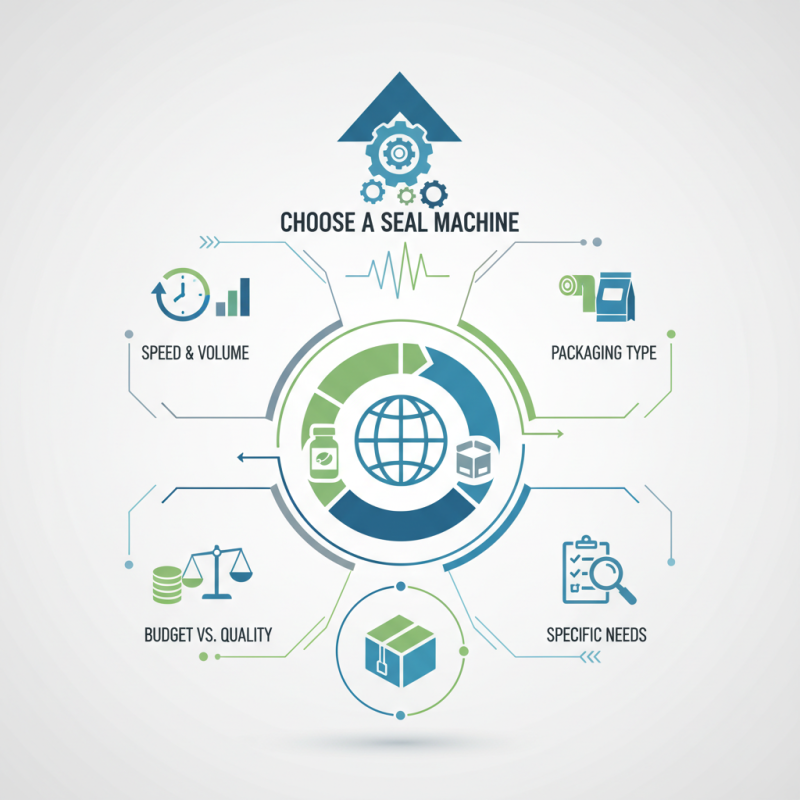
Many industries, from food to pharmaceuticals, depend on effective sealing solutions. Each sector has unique sealing requirements, making it essential to consider various factors. For example, speed, type of packaging material, and production volume play vital roles in your decision-making process.
However, it's easy to overlook specific needs amid the vast options available. Selecting a machine based solely on cost can lead to future challenges. Understanding these nuances is key to making an informed choice. Balancing budget constraints with operational requirements is no small feat, but it's vital for long-term success.
Understanding Seal Machines: Types and Their Functions
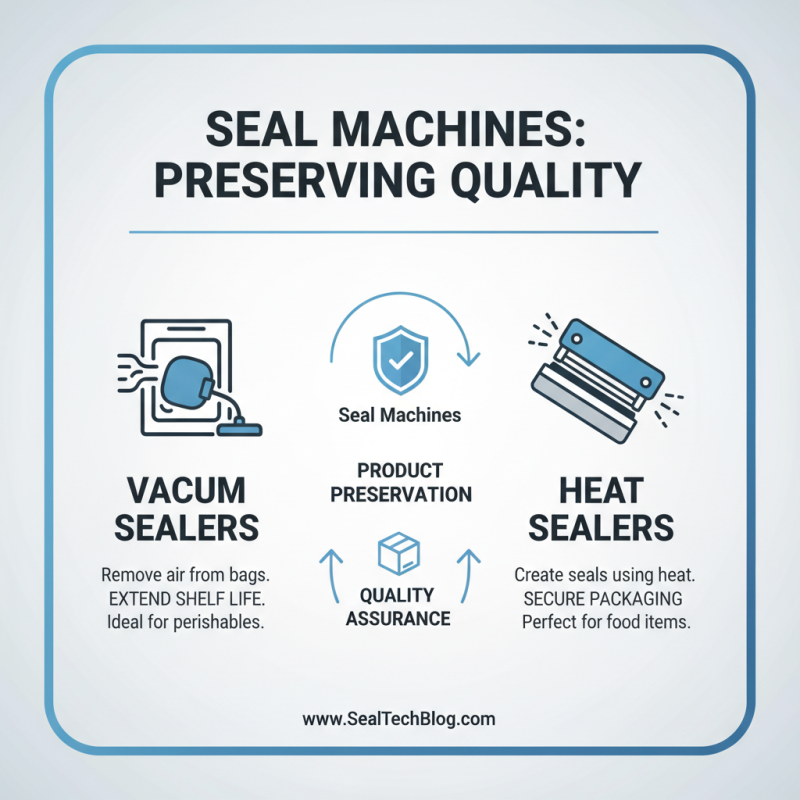
Seal machines are essential for preserving products and ensuring quality. There are various types, each designed for specific functions. For instance, vacuum sealers remove air from bags, extending shelf life. Heat sealers, on the other hand, create seals using heat, perfect for packaging food items securely.
When choosing the right seal machine, consider the type of products you'll be sealing. Some machines are suited for lighter materials, while others can handle thicker films. Many users overlook this detail and struggle with performance issues. Additionally, the speed of the sealing process can vary greatly. A slower machine may be frustrating in a busy environment.
It’s also crucial to think about your workspace. Some machines take up significant space, while others are compact and portable. Reflect on your workflow. A bulkier machine might hinder efficiency. Often, users regret not measuring their space beforehand. Evaluate your specific sealing needs carefully to avoid purchasing a machine that doesn't fit your operations.
Key Factors to Consider When Choosing a Seal Machine
When choosing a seal machine, several key factors can significantly impact your decision. The type of sealing technology is crucial. There are heat sealers, vacuum sealers, and impulse sealers. The choice depends on the materials you work with. A recent industry report indicates that vacuum sealing can increase shelf life by up to five times, making it a popular option for food packaging.
Another important consideration is the machine's size and output capacity. Smaller operations may find a compact design beneficial, while larger producers need higher throughput. A study found that 67% of businesses reported increased efficiency after selecting a machine that matched their production scale.
User experience also matters. Look for machines with intuitive controls and easy maintenance. Some seal machines can be complicated, leading to a steep learning curve. An ill-fitting choice can create operational challenges, resulting in downtime. It may be wise to seek feedback from operators who use these machines daily. Their insights on usability can reveal potential flaws that reports may overlook, ensuring you choose a machine that truly fits your needs.
How to Choose the Best Seal Machine for Your Needs?
Evaluating Your Packaging Needs and Product Compatibility
When evaluating your packaging needs, consider the specific products you intend to seal. Different products require different sealing methods. For instance, liquids may need vacuum sealing, while powders might only need heat sealing. Understanding your product is crucial. Take time to test various machines and materials before making a choice.
Product compatibility plays a significant role in seal machine selection. Not all machines are designed for every type of packaging material. Some machines work better with polyethylene, while others may be suited for polypropylene. Experimenting with different combinations can help you find the right fit. Keep in mind that costs might vary based on compatibility.
It's essential to reflect on your current and future packaging demands. Will your needs change over time? Choosing a flexible machine might save costs. However, it may not always deliver perfect seals, leading to waste. Take a moment to evaluate how often you will use the machine, and whether it aligns with your growth plans. Make informed decisions to avoid potential setbacks.
Comparing Features, Costs, and Brand Reputation
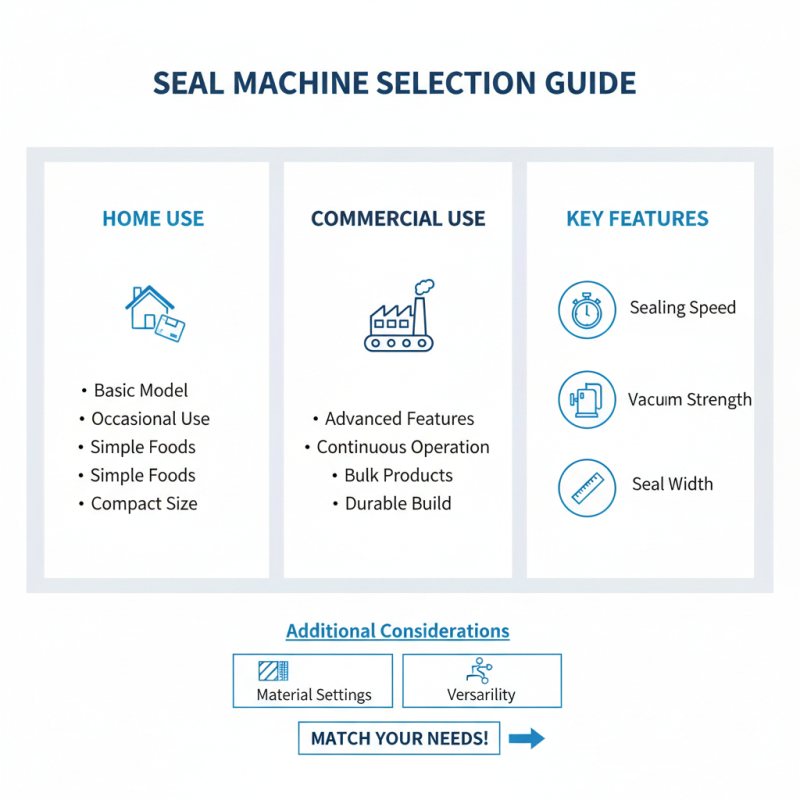
When selecting a seal machine, comparing features is essential. Look for key functionalities like sealing speed, vacuum strength, and seal width. Some machines offer additional settings for specific materials, while others may lack versatility. Your choice should match your sealing needs. For instance, a basic model may suffice for occasional home use. On the other hand, a commercial setup might demand more advanced features.
Cost is another critical factor. Prices vary widely based on capabilities. Budget-friendly options may boast fewer features. Higher-priced machines often come with longer warranties and better durability. Consider the long-term value of your investment. How often will you seal items? Frequent use might justify spending more upfront.
Brand reputation plays its role too. Established brands usually offer reliable customer service and product support. However, new brands may provide innovative features at lower costs. This inconsistency can be confusing. While many users trust popular names, emerging brands can surprise with quality. Always check user reviews for real-world experiences. Balancing these aspects can lead to the right choice for your sealing needs.
Maintenance and Support for Your Chosen Seal Machine
When selecting a seal machine, maintenance and support play a crucial role. Regular upkeep is essential. It ensures longevity and efficiency. Consider how often to clean and service your chosen machine. Simple tasks can include changing seals or lubricating moving parts. Such actions extend its lifespan and save costs.
Support is another vital aspect. It’s helpful to know what resources are available if issues arise. Can you easily reach a technician? What kind of troubleshooting guides are provided? These details matter in moments of frustration. Having access to informative support can clear up confusion quickly.
Reflect on your needs. A powerful machine might seem appealing, but does it come with adequate support? Consider the balance of performance and maintenance requirements. A reliable machine with solid support will often outperform a high-spec model with limited assistance.
How to Choose the Best Seal Machine for Your Needs? - Maintenance and Support for Your Chosen Seal Machine
| Seal Machine Type |
Max Sealing Speed (units/min) |
Seal Width (mm) |
Power Consumption (W) |
Maintenance Frequency (Months) |
Support Options |
| Continuous Band Sealer |
20 |
5-10 |
400 |
6 |
Email & Phone Support |
| Vacuum Sealer |
15 |
200 |
300 |
12 |
24/7 Chat Support |
| Pneumatic Sealer |
30 |
15 |
600 |
9 |
On-Site Support |
| Impulse Sealer |
10 |
3-8 |
250 |
3 |
Email Support |