Why Choose Form Fill Seal Packaging for Your Business Needs?

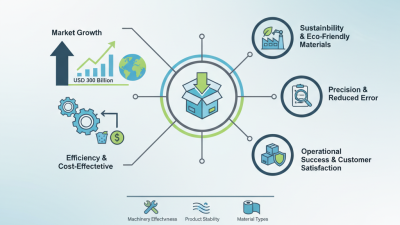
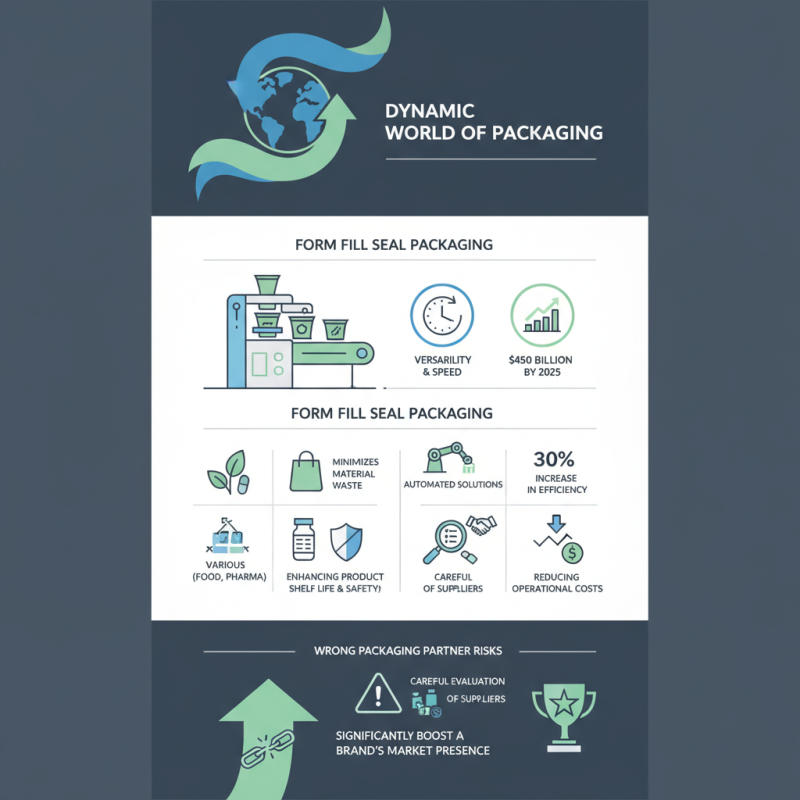
In the dynamic world of packaging, businesses are continuously seeking efficient solutions to meet market demands. Form Fill Seal Packaging has emerged as a leading choice, offering versatility and speed. According to a recent report by Smithers Pira, the flexible packaging market is expected to reach $450 billion by 2025, largely driven by innovations in technologies like Form Fill Seal.

This method allows for quick production cycles and minimizes material waste. Companies can utilize it for various products, from food items to pharmaceuticals, enhancing product shelf life and safety. Industry experts emphasize the importance of automated packaging solutions in reducing operational costs. Research indicates that companies implementing Form Fill Seal technologies may experience up to a 30% increase in efficiency.

However, businesses must be cautious. Choosing the wrong packaging partner can result in issues, such as product spoilage or increased costs. Careful evaluation of suppliers ensures that the implementation of Form Fill Seal Packaging meets quality and compliance standards. The right choice can significantly boost a brand's market presence.
Why Choose Form Fill Seal Packaging for Your Business Needs?

Understanding Form Fill Seal Packaging: An Overview

Form fill seal (FFS) packaging is gaining traction in various industries. This method automates the packaging process, making it efficient and cost-effective. The technology combines forming, filling, and sealing operations into one continuous process. This efficiency can lead to faster production times and reduced labor costs.

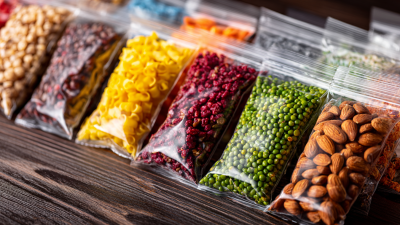
FFS packaging can handle a wide range of products. From dry goods to liquids, its versatility is a key advantage. The materials used in FFS are often customizable. This means businesses can choose designs that align with their branding or product needs. However, the setup for FFS systems can be complex. Companies must invest time in training staff and maintaining equipment.

Moreover, while the benefits are substantial, challenges remain. Some businesses may struggle with machine malfunctions. Others might find it difficult to source high-quality materials for packaging. Yet, assessing these risks is part of optimizing this approach. Exploring FFS packaging requires a commitment to continuous improvement and adaptation.
Benefits of Form Fill Seal Packaging for Businesses

Form Fill Seal (FFS) packaging has become a crucial choice for many businesses. This method offers various benefits that can enhance efficiency and product quality. One key advantage is its speed. FFS machines can produce packaging at a rapid pace, reducing the time from production to market. Quick turnaround is essential in competitive industries. Additionally, this technology minimizes labor costs because it automates several steps of the packaging process.

Consistency in packaging quality is another notable benefit. The controlled process ensures that each package meets the same standards. This consistency builds customer trust and helps maintain brand integrity. Furthermore, FFS packaging is versatile. It can accommodate various products, from dry goods to liquids. This flexibility allows businesses to adapt as their product lines evolve.

However, there are challenges to consider. Initial investment costs for FFS equipment can be high. Businesses must evaluate their output needs and budget carefully. Staff training is also necessary to operate this technology effectively. Neglecting these aspects can lead to inefficient operations. Addressing these issues upfront is crucial for maximizing FFS benefits.

Cost Efficiency in Production and Material Use

Why Choose Form Fill Seal Packaging for Your Business Needs?

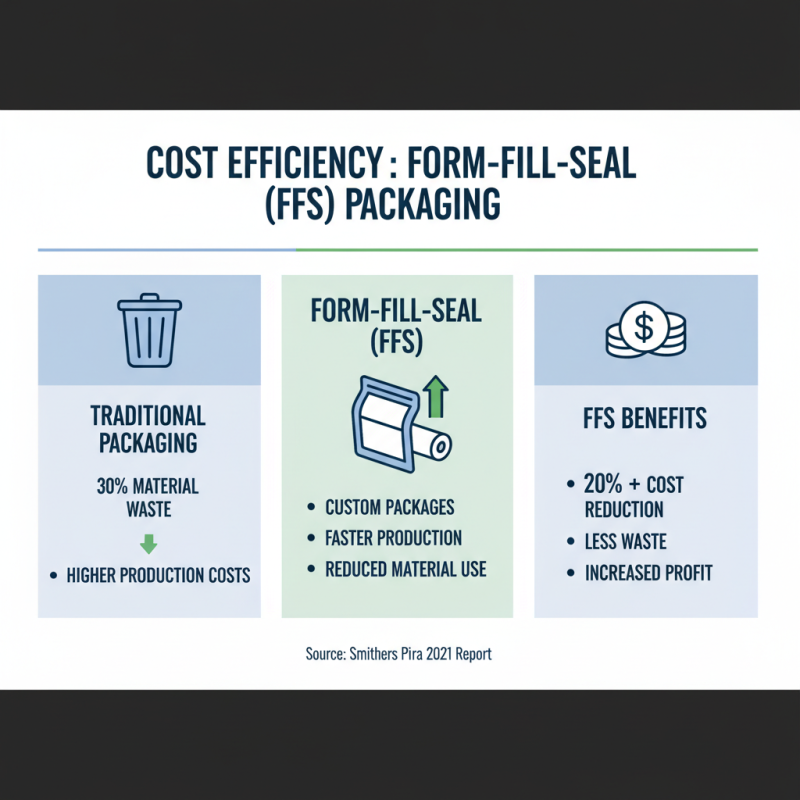
Form Fill Seal (FFS) packaging has emerged as a popular choice for many businesses. This method allows companies to create custom packages quickly. It significantly reduces material waste, enhancing cost efficiency in production. According to a 2021 report from Smithers Pira, packaging waste accounts for roughly 30% of packaging material costs. By utilizing FFS, businesses can reduce these costs by 20% or more.

Integrating FFS can also lead to efficient use of space and resources. The design of FFS machines enables them to operate in compact areas while maximizing output. Companies implementing FFS often notice a 30% increase in production speed. This efficiency can lead to shorter lead times and better inventory management. However, not every business may find FFS ideal. The initial setup cost can sometimes be a barrier to entry.

Tip: Analyze your product requirements before switching to FFS. Ensure the packaging aligns with your branding and product protection needs. Flexibility in design is key. Consider conducting a trial run to see if it meets your expectations. Constant assessment helps solidify its effectiveness for your production line.

Flexibility and Customization in Packaging Solutions

Form Fill Seal (FFS) packaging offers remarkable flexibility and customization for businesses. It adapts easily to various product types. From liquids to powders, FFS can handle diverse materials. This adaptability reduces the need for multiple packaging systems. It streamlines production and saves costs.

Customization is another significant advantage. You can design your packaging to reflect your brand’s identity. Colors, sizes, and even shapes can be tailored to meet specific requirements. This helps products stand out on the shelves. However, achieving the right design can take time. It requires careful thought and trial-and-error to resonate with customers.

Flexibility doesn't just stop at design. FFS allows quick adjustments in production runs. When market demands shift, businesses can respond promptly. Yet, rapid changes can sometimes lead to mistakes. Quality control becomes crucial in these scenarios. Balancing speed with precision can be challenging, but the results often justify the effort.

Sustainability Considerations in Form Fill Seal Packaging

Form Fill Seal (FFS) packaging is becoming increasingly popular due to its sustainable practices. This method minimizes waste, a crucial factor in today's eco-conscious market. By reducing excess material, businesses can lower their environmental impact. The automation in FFS also enhances efficiency, which conserves resources in production.

Sustainability is not just a trend; it’s a necessity. Many companies struggle to find the right balance between functionality and eco-friendliness. Using biodegradable films can be a solution, yet these materials require careful testing. Not all biodegradable options degrade as promised. Businesses must choose wisely to ensure their packaging meets sustainability claims.

Consumer awareness is rising. Shoppers are more inclined to support brands that prioritize environmental responsibility. Companies adopting FFS packaging can significantly enhance their public image. However, it’s important to remember that not every packaging choice is perfect. Continuous improvement and innovation are vital for genuine sustainability in packaging solutions.

Benefits of Form Fill Seal Packaging