How to Choose Custom Corporate Gifts Wholesale Suppliers
Choosing the right Custom Corporate Gifts Wholesale supplier is more than comparing prices. It is a decision about trust, consistency, and your company’s reputation.
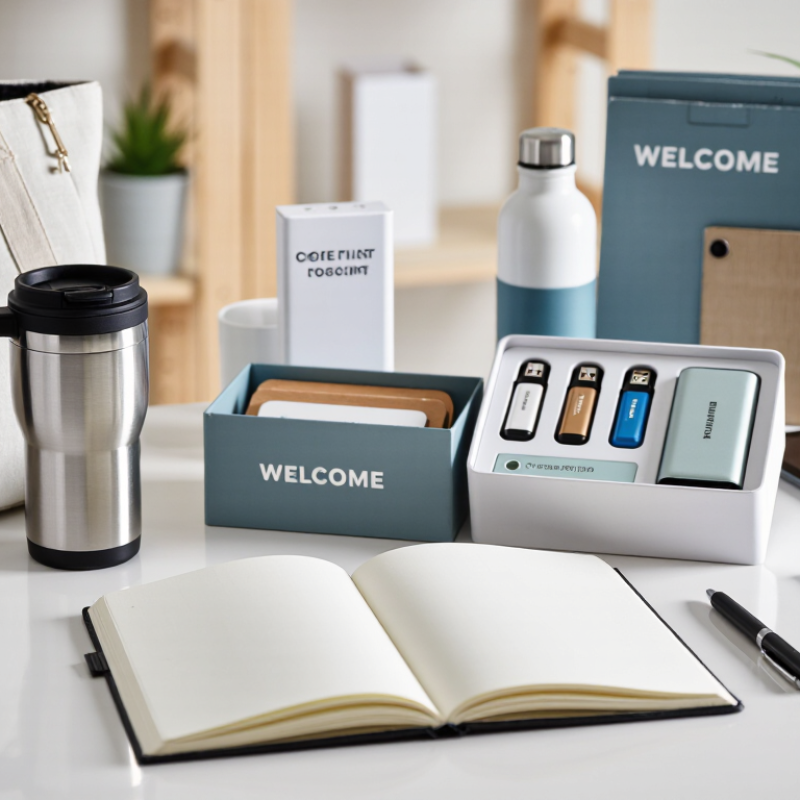
Dale Denham, president and CEO of PPAI, has often shared this industry idea: “Promotional products are the only advertising medium people thank you for.” That response depends on quality. A poorly stitched tote, faded logo, or late delivery can quickly reverse the goodwill. A useful notebook, durable travel mug, or neatly packed welcome kit can remain on a desk for months.
A reliable supplier should provide clear product specifications, decoration samples, production timelines, and transparent minimum order quantities. Ask how they inspect items before shipment. Ask what happens when colors differ from the approved proof. Small questions reveal large weaknesses.
Experience matters here. I would request a physical sample before placing a large order, even when the catalog looks impressive. Photos can hide thin fabric, uneven printing, and loose packaging. That extra step costs time. It may prevent an expensive mistake.
Sustainability also deserves careful review. Look for credible material information, practical packaging choices, and evidence behind environmental claims. Vague promises should invite deeper questions.
The cheapest quote is rarely the complete answer. Compare total value, including sampling, customization, freight, replacement policies, and communication speed. Some suppliers look excellent until a deadline becomes difficult.
Your brand is in the box. Choose a partner that protects it.
Define Your Corporate Gift Needs and Wholesale Purchasing Goals
Before contacting wholesale suppliers, define what the gift must achieve. Is it for employee recognition, client retention, event welcome kits, or a seasonal campaign? A ceramic tumbler may suit daily use, while a notebook fits a conference desk. Write the recipient profile, quantity, target cost, decoration method, delivery date, and packaging requirements. Keep the brief practical. “Premium” is not a measurable specification.
Industry data can sharpen these decisions. The 2023 ASI Ad Impressions Study reported that 85% of promotional product recipients remembered the advertiser. It also found that useful products often remain in use for months or years. Set a measurable goal, such as 90% on-time delivery or a defined cost per recipient. Include shipping, sampling, setup, and replacement costs. Wholesale pricing can look attractive until these details appear.
Ask suppliers for a physical sample, production timeline, material details, and quality-control process. PPAI’s 2024 consumer research emphasizes usefulness and product quality as important parts of recipient satisfaction. Test the lid seal, print alignment, box strength, and color consistency. Small defects matter. My own purchasing experience suggests that teams often overestimate logo size and underestimate fulfillment time. A two-week buffer is safer than an optimistic promise. Still, that buffer may not fit every campaign, so record the trade-off before approving the order.
Assess Supplier Product Quality, Customization, and Production Capabilities
Choosing a wholesale corporate gift supplier requires more than comparing catalog prices. Product quality should survive daily handling, washing, and repeated transport. A 2023 global promotional-products impressions study reported that useful items generate thousands of brand impressions during their lifespan. That value disappears when stitching loosens or printing fades after one use. Request physical samples, not only digital mock-ups. Check material weight, logo alignment, packaging, and color consistency under normal office lighting.
Customization also reveals a supplier’s technical maturity. Ask whether they support embroidery, engraving, screen printing, or small-batch personalization. Confirm artwork formats, color tolerances, sample approval, and rework procedures. Production capability matters when deadlines tighten. Review monthly capacity, lead times, inspection stages, and backup processes. The 2024 State of the Industry report from a leading promotional-products association showed continued demand for customized merchandise, increasing pressure on suppliers to deliver reliably. Large capacity alone is not enough. Communication can still fail.
Tips: Order a pilot batch before full production. Test one dark and one light product. Ask for a written defect threshold. Compare the approved sample with random finished units. I once underestimated packaging quality; the products looked excellent, but several arrived scratched. That mistake was avoidable. Supplier audits should include production photos, quality records, and honest answers about subcontracting. A supplier that admits limitations may be safer than one promising everything.
How to Choose Custom Corporate Gifts Wholesale Suppliers
Recommended evaluation weighting for assessing supplier product quality, customization, and production capabilities.
Product quality receives the highest weighting because consistent materials, workmanship, and quality control directly affect customer satisfaction. Customization evaluates artwork accuracy, color matching, packaging, and sample approval. Production capabilities cover capacity, lead-time management, quality inspection processes, and delivery reliability.
Compare Pricing, Minimum Orders, Lead Times, and Shipping Terms
How to Choose Custom Corporate Gifts Wholesale Suppliers
In my sourcing experience, the lowest unit price rarely tells the full story. Ask suppliers for item pricing, setup fees, packaging costs, and sample charges. A quote should show currency, production assumptions, and expiration dates. Compare the landed cost, not only the catalog price. Cheap is not always cheap. A supplier offering a lower price may charge more for artwork, individual packing, or delivery.
Minimum order quantities deserve careful attention. A large MOQ can reduce the unit price but leave you with unused inventory. Request tiered pricing for 100, 500, and 1,000 pieces. Also ask whether mixed colors or designs count toward one order. I once saw a seemingly attractive offer fail because each variation required a separate minimum. That detail should have been checked earlier.
Confirm lead times in writing, including sample approval, production, inspection, and dispatch. A realistic supplier will explain delays caused by materials or seasonal demand. Ask how quickly they respond when artwork changes. Shipping terms need equal attention. Compare courier, air, and sea options using total cost and delivery risk. Clarify who handles freight, insurance, customs paperwork, and destination charges. Request tracking details and a replacement policy for damaged cartons. Some suppliers provide confident estimates, but not enough evidence. Treat that as a warning, not a promise.
Verify Supplier Reliability, Compliance, and Customer Service
A reliable wholesale supplier should survive basic verification before you discuss volume pricing. Request a registered business address, recent trade references, factory photographs, and a sample invoice. Check whether production occurs in-house or through undisclosed subcontractors. The 2024 Supply Chain Resilience Report found that limited supplier visibility remains a major operational risk. A supplier who avoids simple questions deserves caution.
Compliance needs evidence, not attractive promises. Ask for current test reports, material declarations, social-audit records, and documented quality procedures. Match every document to the actual product, factory, and production date. The 2024 Cost of a Data Breach Report reported a global average breach cost of 4.88 million dollars. That figure concerns data, but it also shows why weak controls can become expensive. Protect order files, employee details, and artwork through restricted access and secure file transfer. Some paperwork may still be incomplete. Treat that gap as a risk, not an insult.
Customer service becomes visible when something goes wrong. Send the supplier a short scenario: 300 units arrive with incorrect colors and seven damaged boxes. Measure response time, ownership, replacement terms, and escalation options. The 2023 B2B Pulse survey found that 71 percent of buyers expect personalized interactions. Generic replies are not enough. Require a named account contact, written milestones, inspection photos, and a clear claims window. I would also place a small trial order. It costs more initially, yet it reveals communication habits that a sales presentation can hide.
Select the Best Supplier Through Samples, Reviews, and Contract Terms
Choosing a custom corporate gifts wholesale supplier requires evidence, not attractive catalog photos. Request physical samples before negotiating volume. Inspect stitching, print alignment, material weight, packaging, and smell. Ask for one production-like sample, not only a showroom piece. Small defects often become expensive at scale. I learned this after approving a sample with a clean logo, while the final batch used weaker packaging. That mistake still matters.
Reviews should reveal delivery consistency, communication, and problem handling. Look for detailed feedback across several months, not only perfect testimonials. According to ASI’s 2023 Global Advertising Impressions Study, promotional products generate an average of 6,962 lifetime impressions. The study also reports that 85% of recipients remember the advertiser. A poor-quality item can therefore repeat a poor impression thousands of times. Check whether reviewers mention reorders, replacement policies, and inspection results.
Contract terms deserve equal attention. Specify sample approval, material standards, logo colors, acceptable defect rates, production deadlines, shipping responsibilities, and refund procedures. Include a written process for late delivery and damaged goods. Confirm who owns custom artwork and how customer data is handled. Never rely on a friendly promise. The contract should state carton quantities, inspection timing, and payment milestones. A lower unit price may hide higher testing, storage, or replacement costs. I would also leave room for independent inspection, even when the supplier seems experienced. Confidence is useful, but documentation is safer.



