


ProMach is your partner from start to finish. Our product brands are grouped into distinct business lines that make the most sense to our customers, covering every function of the production line: Filling, Bottling & Capping, Decorative Labeling, Flexibles & Trays, Pharma, Handling & Sterilizing, Labeling & Coding, Robotics & End of Line, and Systems & Integration.
learn more


How to Choose the Best Sachet Machine for Your Business?
Choosing the right Sachet Machine is not a simple capacity decision. It affects product consistency, changeover time, material use, and the space your production line needs. A machine that runs smoothly with one powder may struggle with a free-flowing liquid or a sticky paste. Small details matter: the width of the film roll, the accuracy of the dosing system, and how quickly operators can clean product-contact parts.
The market context makes careful selection worthwhile. Grand View Research reported that the global flexible packaging market was valued at USD 261.4 billion in 2023 and forecast a 4.5% compound annual growth rate from 2024 to 2030. Flexible packaging is a broad category, not a sachet-machine sales forecast, but it signals sustained interest in formats such as compact single-serve packs. Still, market growth alone cannot tell you which machine fits your factory.
Compare real production needs: sachet size, target output, fill accuracy, sealing style, and the materials you plan to run. Ask suppliers for product trials using your own formulation and film; a polished demonstration with water is not enough. I could not verify a reliable, attributable quotation from a named Sachet Machine expert, so I will not invent one. That gap matters. A confident sales claim is not a substitute for documented test results, service response times, and references from similar operations. The sections ahead offer a practical framework for weighing those factors—and for questioning assumptions before you invest.
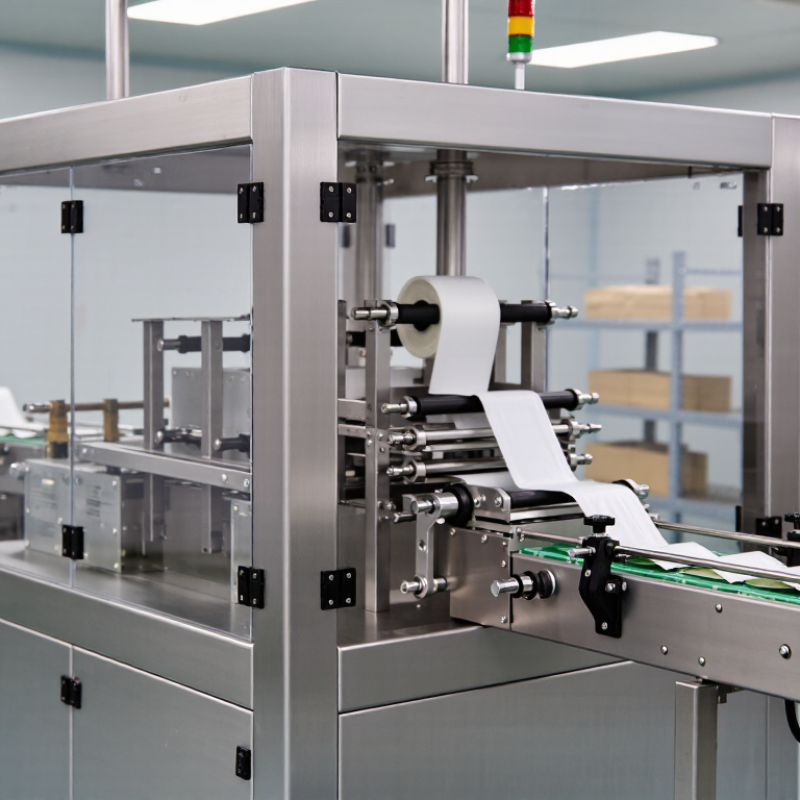
Define Your Production Needs and Sachet Format
Define Your Production Needs and Sachet Format
Before comparing machines, map your real production: packs per minute, daily operating hours, changeover frequency, and target sachet dimensions. Grand View Research estimated the global sachet packaging market at USD 8.8 billion in 2023, with projected growth of 5.6% annually from 2024 to 2030. That demand spans different products and pack styles, so market growth alone cannot tell you which machine fits. Your product does. A free-flowing powder, sticky paste, and thin liquid each need a suitable dosing system and test runs.
Choose the sachet format around how customers open and use it. Three-side seals, four-side seals, and stick packs differ in shape, material use, and filling setup. Check seal width, film compatibility, fill accuracy, and whether the pack must stand or tear easily. A fast machine may look impressive, but frequent format changes can reduce useful output. Small details matter.
Tips: Bring actual product samples and film rolls to supplier trials. Record speed, weight variation, seal quality, and cleaning time. Ask for results across several runs, not one perfect sample. One planning gap is easy to miss: future pack sizes may differ from today’s. Leave room for adjustment, but do not pay for features you have no clear use for.
How to Choose the Best Sachet Machine for Your Business? - Define Your Production Needs and Sachet Format
| Planning Dimension | Typical Options or Range | What to Define Before Choosing a Machine | How It Affects Machine Selection |
|---|---|---|---|
| Product type | Free-flowing powder, granules, liquid, paste, or viscous product | Describe the product’s flow, viscosity, particle size, moisture sensitivity, and whether it contains particulates. | Determines the dosing method, product-contact components, sealing approach, and whether agitation or special handling is needed. |
| Target fill weight or volume | Set a minimum, nominal, and maximum fill for each product; the suitable range depends on product density and sachet dimensions. | Specify the required dose and acceptable fill-weight variation for every SKU. | Helps size the dosing system and select an appropriate measuring range. Powder doses often require a screw filler; liquids commonly use a pump or volumetric system. |
| Sachet format | Three-side seal, four-side seal, or stick pack | Choose the pack shape, seal layout, opening method, and whether the sachet must stand, tear easily, or fit a specific retail display. | Each format uses different forming and sealing arrangements. A machine designed for one format may not convert economically to another. |
| Sachet dimensions | Define finished width and length for each pack size; dimensions vary with dose, product bulk density, and pack design. | Provide target dimensions and a sample or drawing, including seal widths and any tear notch or easy-open feature. | Sets the forming parts, film width, and allowable pack-size range. Confirm changeover requirements if several sizes are planned. |
| Required production capacity | Calculate from saleable sachets needed per shift or day, planned operating hours, and expected downtime. | Separate the required good-pack output from the machine’s quoted maximum speed; include cleaning, changeovers, and rejects in the plan. | Guides the choice between a single-lane and multi-lane machine and helps avoid buying capacity that the filling or packing line cannot use. |
| Packaging film | Specify the complete laminate structure, thickness, roll width, and heat-sealing requirements with the film supplier. | Confirm that the proposed film is compatible with the product, shelf-life needs, and intended disposal or recycling requirements. | Film properties affect forming, registration, sealing temperature, and line speed. Test the actual film on the proposed machine before approval. |
| Accuracy and quality checks | Set fill-weight tolerances and define checks for seal integrity, coding, appearance, and leak resistance. | Identify which inspections are required in-line and which will be performed by separate equipment or manual sampling. | May require checkweighing, date coding, vision inspection, or additional sealing controls and affects the overall line layout. |
| Changeover and cleaning | List the number of products, recipes, and sachet sizes run per shift or week. | State cleaning frequency, allergen or cross-contamination controls, and the acceptable time for product and size changeovers. | Frequent changes favor accessible components, repeatable settings, and quick-change parts; product hygiene requirements influence machine design. |
| Utilities and installation | Confirm available electrical supply, compressed air, floor space, access, and downstream equipment. | Request the machine’s utility and layout specifications and check the complete route from filling through case packing. | Ensures the machine can be installed and integrated without unexpected facility modifications or production bottlenecks. |
Planning note: Production rates, fill ranges, and pack dimensions are application-specific. Confirm achievable output, accuracy, film compatibility, and changeover performance using your product and packaging materials in a machine trial.
Related Posts
-
The Future of Food Safety: Exploring the Innovations in Sachet Packaging Machines
-

The Evolution of Sachet Packaging Machines Transforming the Food and Beverage Industry
-
Exploring Innovations in Sachet Filling Machines at the 138th Canton Fair 2025 in China
-

The Future of Sachet Filling Machines Transforming Packaging Efficiency and Sustainability
-
How to Choose the Right Sachet Packaging Machine for Your Business Needs
-
Top 10 Sachet Machine Manufacturers for Global Buyers