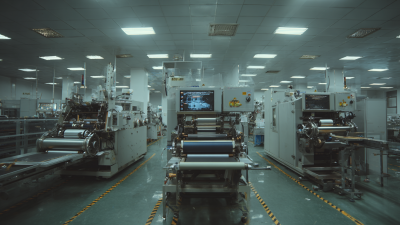
ProMach is your partner from start to finish. Our product brands are grouped into distinct business lines that make the most sense to our customers, covering every function of the production line: Filling, Bottling & Capping, Decorative Labeling, Flexibles & Trays, Pharma, Handling & Sterilizing, Labeling & Coding, Robotics & End of Line, and Systems & Integration.
learn moreChoosing among China’s top Seal Machine manufacturers requires more than comparing prices or polished factory photos. Seal quality depends on film structure, temperature stability, pressure control, conveyor speed, and operator training. A machine sealing laminated pouches may fail when handling thicker polyethylene bags. The details matter.
Industry data shows why this decision deserves careful research. PMMI reported that U.S. packaging machinery shipments reached approximately $10.2 billion in 2023, reflecting continued investment in automation and packaging efficiency. Fortune Business Insights valued the global packaging machinery market at about $50.05 billion in 2023 and projected steady growth through 2030. These figures cover broader packaging equipment, not Seal Machine sales alone. That limitation should be acknowledged.
David Luttenberger, Global Packaging Director at Mintel, has called packaging “the silent salesperson.” For manufacturers, the seal is also a silent quality test. It protects freshness, prevents leakage, and influences customer confidence. A reliable supplier should provide sample testing, seal-strength records, temperature mapping, and a documented Factory Acceptance Test. Ask for evidence, not promises.
Look for ISO 9001 systems, applicable CE documentation, clear electrical specifications, and responsive technical support. Check whether spare heaters, sensors, controllers, and sealing jaws are locally available. A low purchase price can become expensive when downtime lasts for days.
Some comparisons remain imperfect. Supplier claims may use different testing methods and production conditions. Buyers should test their own films, products, and target speeds before signing. The strongest choice is rarely the cheapest machine. It is the manufacturer that proves repeatable performance, communicates honestly, and supports the equipment after installation.
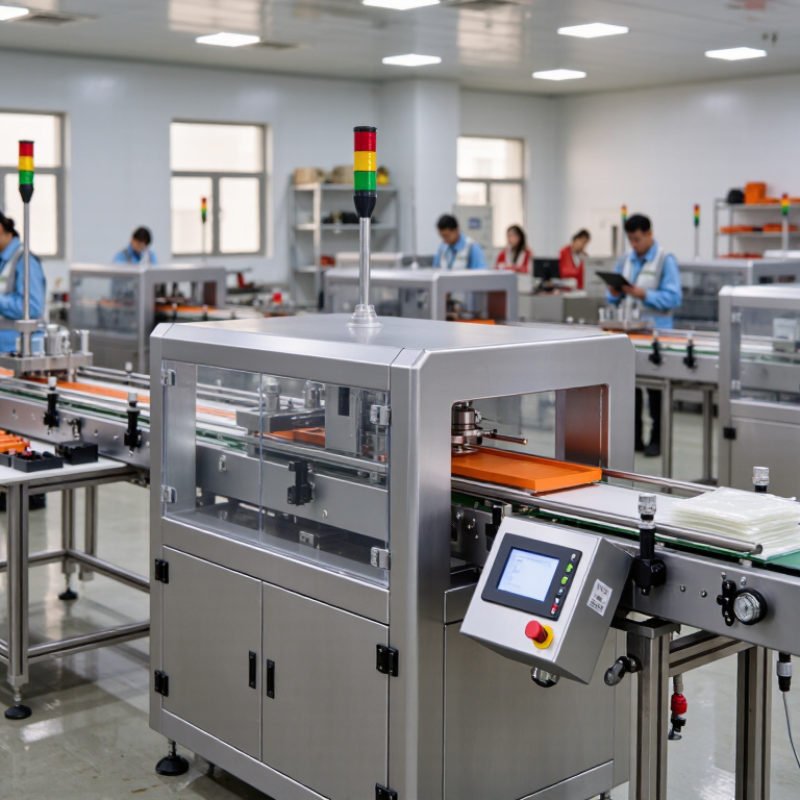
A top seal machine manufacturer in China is defined by more than production capacity or a polished showroom. The real test appears during technical discussions and repeated trials. An experienced manufacturer should explain sealing temperature, pressure, speed, film compatibility, and maintenance limits clearly. Engineers should also recommend practical changes instead of promising that one machine fits every package.
Look for measurable quality control. Ask whether each machine receives a documented factory acceptance test before shipment. Check temperature stability, seal strength, conveyor alignment, and emergency stop response. A reliable supplier can provide drawings, wiring diagrams, operating manuals, spare-parts lists, and training plans. Stainless steel contact areas should be finished smoothly, with no sharp edges or difficult-to-clean corners. Factory photos help, but an online tour is not enough. An independent inspection may reveal details that sales materials miss. No manufacturer is perfect, and a supplier that admits limitations may deserve more trust than one offering effortless solutions.
Tips: Send real packaging samples for testing. Request videos showing continuous operation, not only a few successful seals. Confirm response times, warranty coverage, installation support, and spare-parts availability in writing. Ask how the manufacturer handles failed tests and design changes. Small details matter, although buyers sometimes focus too heavily on the lowest quotation. A cheaper machine can become expensive when downtime, unstable seals, or delayed support enter the calculation.
Choosing among China’s top seal machine manufacturers requires more than comparing prices. The right machine depends on the package material, product temperature, line speed, and required seal strength. Induction sealers work well for plastic bottles in food, cosmetics, and pharmaceutical packaging. They create a tamper-evident inner seal without direct contact. Continuous band sealers suit bags and pouches that need steady, high-volume production. They are practical for powders, snacks, and household goods.
Vacuum chamber sealers remove air before closing flexible bags. They help protect roasted foods, components, and moisture-sensitive materials. Tray sealers cover preformed trays with film and support modified-atmosphere packaging. They are common in prepared meals and fresh food lines. Ultrasonic sealers can join certain thermoplastic layers with limited heat transfer. This helps when the product is sensitive to heat or contamination. Compatibility must be tested.
A reliable manufacturer should provide material trials, seal-strength data, spare-part details, and clear operator training. Ask how the machine handles wrinkles, dust, uneven filling, and frequent changeovers. These small issues often stop a production line. Check temperature control, pressure adjustment, guarding, and cleaning access during a factory evaluation. A faster machine is not always better. The first sample may look perfect, yet fail after storage or transport. Testing real packaging for several days is wiser than trusting a showroom demonstration. Mistakes happen, especially when film thickness changes. That is why documented settings and repeatable quality checks matter.
Key seal machine types compared by typical sealing output and their common industrial applications.
Continuous band sealers and rotary heat sealers are generally suited to higher-volume packaging lines. Impulse sealers are commonly used for low-volume or intermittent operations, while vacuum chamber and tray sealers are suitable for food, medical, and modified-atmosphere packaging. The figures represent typical indicative output levels; actual capacity depends on bag size, material, sealing temperature, operator handling, and automation level.
Choosing a Chinese seal machine manufacturer requires more than comparing online prices. In factory evaluations, I check production records, engineering staff, and quality-control procedures. A clean showroom helps. But it proves little. Ask to see the assembly area, testing instruments, and finished machines awaiting shipment. Photos are useful, yet live video or an on-site visit offers stronger evidence.
Send the manufacturer your actual packaging material, product size, sealing temperature, and expected output. Request a recorded trial using the same conditions. Watch the seal line closely for wrinkles, weak edges, or uneven pressure. Ask for cycle-time data, power requirements, and noise measurements. Numbers need context. A test report should identify the machine model, test date, materials, and operator. Vague documents deserve careful questions.
Reliability also depends on technical support after delivery. Confirm the warranty scope, spare-parts list, response time, installation method, and training format in writing. Check whether manuals include wiring diagrams, maintenance intervals, and safety instructions. Speaking with recent customers can reveal recurring faults that brochures omit. I once focused too heavily on stainless-steel appearance and overlooked adjustment difficulty. That mistake reminded me to inspect daily operation, not just construction quality. A supplier may answer quickly during negotiations, but consistent support requires evidence from service records and clear contractual terms.
| No. | Evaluation Dimension | What to Verify | Practical Evaluation Method | Recommended Acceptance Criteria | Weight | Score |
|---|---|---|---|---|---|---|
| 1 | Product and Application Fit | Check whether the sealing machine matches the product type, package material, bag dimensions, sealing width, operating temperature, and required production speed. | Provide representative packaging samples and request a documented sealing test using the intended film or pouch. | Stable seals across the required package range, with no visible leakage, wrinkles, burning, or incomplete sealing. | 20% | __/20 |
| 2 | Sealing Quality and Repeatability | Evaluate seal strength, seal appearance, temperature stability, pressure consistency, and performance during continuous operation. | Run repeated tests at normal and maximum intended speed; record rejected packages and sealing defects. | Results remain consistent throughout the test, and the supplier provides measurable quality-control records rather than only photographs. | 15% | __/15 |
| 3 | Technical Specifications | Review machine dimensions, sealing length, sealing width, speed range, temperature range, power supply, compatible materials, and permissible bag thickness. | Compare the formal specification sheet with the actual production requirements and electrical conditions at the installation site. | All critical specifications are clearly stated, internally consistent, and confirmed in the quotation or technical agreement. | 10% | __/10 |
| 4 | Manufacturing and Quality Control | Assess incoming-material inspection, assembly controls, electrical testing, final inspection, traceability, and handling of nonconforming products. | Request process photographs, inspection checklists, sample test records, and permission for a remote or on-site audit where appropriate. | Documented quality procedures exist, inspection responsibilities are defined, and corrective actions can be demonstrated. | 15% | __/15 |
| 5 | Safety and Compliance Documentation | Verify machine guarding, emergency-stop functions, electrical safety, user instructions, risk information, and conformity documents required for the destination market. | Review manuals, wiring diagrams, safety assessments, test reports, declarations, and certificates; confirm document scope and validity. | Documents are machine-specific, current, traceable, and suitable for the importing country and intended application. | 10% | __/10 |
| 6 | Customization and Integration | Evaluate options for conveyor integration, coding or labeling, conveyors, sensors, controllers, bag handling, and layout adaptations. | Ask for a technical proposal showing interfaces, utility requirements, machine layout, and responsibilities for integration. | Customization boundaries, additional costs, lead times, and acceptance tests are clearly defined before purchase. | 8% | __/8 |
| 7 | After-Sales Service and Spare Parts | Check installation support, operator training, troubleshooting response, warranty terms, spare-parts availability, and service coverage. | Request a service-level description, spare-parts list, warranty conditions, troubleshooting procedure, and response-time commitment. | Critical spare parts are identifiable and obtainable; support channels, warranty exclusions, and response expectations are written clearly. | 10% | __/10 |
| 8 | Commercial Terms and Total Cost | Compare machine price, tooling, packaging, shipping, installation, training, spare parts, maintenance, energy use, and possible upgrade costs. | Use the same technical specification and delivery terms when comparing quotations from different suppliers. | The quotation is itemized, payment terms are clear, delivery milestones are stated, and the total cost fits the approved budget. | 7% | __/7 |
| 9 | Delivery Reliability and Factory Verification | Assess production capacity, project management, shipment preparation, export experience, and the supplier’s ability to meet agreed milestones. | Review a production schedule, factory address, business documentation, inspection records, and references that can be independently verified. | Supplier identity and manufacturing capability are verifiable, and delivery dates are supported by a realistic production plan. | 5% | __/5 |
| Total Evaluation Score | 100% | __/100 | ||||
Machine quality should be measured through repeatable results, not polished photographs. Grand View Research estimated the global packaging machinery market at about US$45.9 billion in 2023. This growth increases supplier choices, but also makes comparison harder. Request sealing samples using your actual film, product, and production speed. Check seal strength under ASTM F88 testing conditions. Inspect wrinkles, burn marks, incomplete seals, and leakage after cooling. A stable temperature controller matters more than a high advertised cycle rate. Ask for temperature variation data across the sealing bar. Small deviations can create weak edges.
Performance also includes changeover time, reject rate, energy use, and maintenance access. PMMI’s State of the Industry reporting has placed U.S. packaging machinery shipments above US$10 billion, showing how much investment depends on reliable equipment. Request factory acceptance testing and recorded results. Review compressed-air consumption and heating recovery time. Confirm whether replacement heaters, sensors, and control components are locally available. I would also examine welded frames, wiring labels, guarding, and emergency stops during a factory visit. These details reveal manufacturing discipline. A brochure rarely does.
Do not rely on one successful sample. Test different film thicknesses and deliberately introduce minor variation. My own judgment can be wrong when a machine runs perfectly for one afternoon. Ask for production records from comparable applications, including downtime and rejected packs. The cheapest quotation may become expensive after repeated adjustments.
Choosing a China-based sealing machine manufacturer starts with your packaging needs, not a factory’s sales presentation. Define the film structure, pouch size, seal width, speed, and expected daily output. Different materials soften, stretch, or wrinkle under heat. Ask for test results using your actual packaging film. A sample seal tells you more than a polished brochure.
Look for manufacturers with documented engineering experience in your packaging category. Review machine drawings, temperature-control ranges, sealing pressure, and replacement-part availability. Ask whether technicians can support installation, training, and troubleshooting remotely or on site. Request references from comparable production environments. Ask for evidence. A low quotation may hide expensive changes, weak components, or slow service. Confirm inspection procedures before shipment, including electrical checks and continuous sealing tests.
Visit the facility when possible, or request a live video inspection. Observe machining, assembly, wiring, and final testing. Clean work areas are not proof of quality, but disorganized production deserves questions. Compare warranty terms, response times, software updates, and operator training. Include packaging waste and maintenance labor in your cost calculation. Do not rush. A machine that runs quickly but seals inconsistently can damage materials and delay deliveries. I have seen selection checklists focus too heavily on speed; that is an easy mistake. Reliability, usable controls, and honest technical communication often matter more after installation. No checklist is perfect. Recheck assumptions with trial data before signing.