What is a cooling tower and how does it work?
cooling towers play a crucial role in various industrial applications. They are essential for heat removal in processes. According to a recent industry report, the global cooling tower market is expected to reach $4.95 billion by 2026, growing at a CAGR of 3.5%. This growth is driven by increased demand for energy efficiency in buildings and power plants.
A cooling tower's primary function is to expel excess heat. They operate on the principle of heat exchange and evaporation. Water circulates through the system, absorbing heat and releasing it into the atmosphere. This can often lead to water scarcity concerns. In regions facing drought, the use of cooling towers might attract scrutiny.
Understanding cooling towers involves acknowledging their operational challenges. They can cause issues like water quality degradation and increased energy costs. As industries adopt more sustainable practices, the design and technology behind cooling towers must innovate. Addressing inefficiencies and environmental impacts is key for future energy solutions.
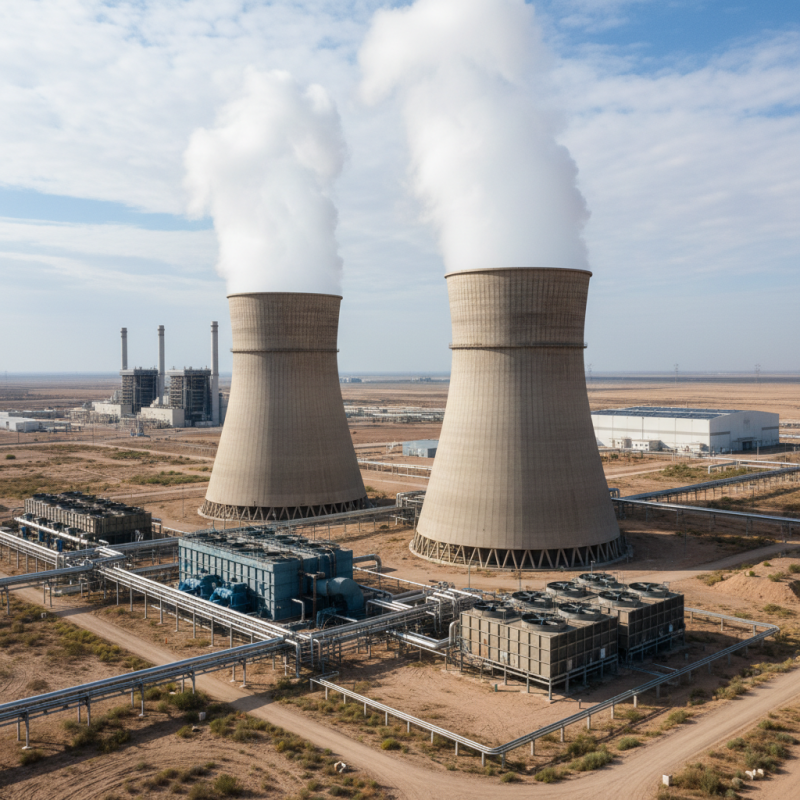
What is a Cooling Tower?
A cooling tower is an essential component in various industrial processes. It serves to dissipate excess heat from systems like air conditioning, chemical processing, and power generation. By using water evaporation, it effectively lowers the temperature of large volumes of water. The cooling tower works by drawing in warm water and allowing it to flow over fill material. This maximizes the surface area for heat exchange.
As the warm water descends, it is exposed to ambient air. This air, usually drawn through the tower by fans, absorbs heat from the water. The evaporation process cools the remaining water, which is then reused in the cycle. To ensure efficiency, cooling towers require regular maintenance. A dirty or clogged system can hinder performance and increase energy costs, which is often overlooked.
It's interesting to note that while cooling towers are highly effective, they are not without challenges. Water quality plays a significant role in their operation. Impurities can lead to scaling and corrosion, prompting the need for water treatment. Additionally, environmental concerns arise regarding the potential for water loss and drift. These factors demonstrate that while cooling towers are beneficial, careful consideration is necessary for their sustainable use.
The Purpose and Importance of Cooling Towers
Cooling towers play a crucial role in various industries. They help regulate temperature in processes that generate heat, such as power plants and manufacturing. The primary purpose of a cooling tower is to remove excess heat from water. This maintains optimal operating conditions and improves efficiency.
These towers work through a simple process. Warm water from equipment flows to the tower, where it is distributed over fill material. Air is drawn up through the tower, cooling the water as it falls. This combination of water and air results in evaporative cooling. The cooled water then recirculates back to the equipment.
**Tip:** Regular maintenance is vital. A dirty cooling tower can lead to inefficiency and increased energy costs.
Cooling towers are also essential for environmental reasons. They use water efficiently and help reduce the demand for cooling from mechanical systems. However, they can be a source of water loss due to evaporation. This may lead to concerns about water conservation.
**Tip:** Monitor water levels regularly. Consider installing a water recirculation system to minimize loss.
In any facility, understanding the cooling tower's role can lead to better operational decisions. Yet, many overlook their importance. Continuous learning about cooling tower operations can enhance efficiency and reduce costs.
Cooling Towers: Operating Efficiency by Season
How Cooling Towers Function: The Cooling Process
Cooling towers play a crucial role in many industrial processes. They help remove heat from systems by transferring it to the atmosphere. The cooling process is both fascinating and essential to various applications.
Water is circulated through the system, carrying heat away from equipment or processes. As this warm water enters the cooling tower, it is distributed over a large surface area. This allows it to come in contact with the air. The heat then dissipates into the atmosphere, causing the water temperature to drop.
However, cooling towers are not without their challenges. They require regular maintenance to prevent issues such as mineral buildup or algae growth. Neglecting these factors can lead to inefficiencies. The balance of water and air is critical for optimal performance. Understanding these dynamics can help improve cooling efficiency in a sustainable manner.
What is a cooling tower and how does it work? - How Cooling Towers Function: The Cooling Process
| Parameter | Description | Value |
| Tower Type | Type of cooling tower | Counterflow |
| Cooling Medium | Fluid used for cooling | Water |
| Cooling Efficiency | Effectiveness of cooling | 80-90% |
| Flow Rate | Water flow rate through the tower | 500 GPM |
| Heat Load | Amount of heat to be removed | 150,000 BTU/hr |
| Makeup Water | Water added to compensate loss | 5 GPM |
Types of Cooling Towers and Their Applications
Cooling towers come in various types, each serving unique applications. The two primary types are open and closed cooling towers. Open cooling towers, commonly used in industries and power plants, rely on ambient air to cool water. They evaporate a portion of the water to dissipate heat. According to industry reports, open cooling towers can achieve efficiency rates of up to 90%, making them a popular choice for large-scale operations.
In contrast, closed cooling towers are utilized in sensitive environments where contamination is a concern. They recirculate water through a heat exchange unit, preventing direct exposure to the outside air. As per recent data, closed cooling towers have a smaller footprint and are more efficient, reducing water usage by up to 30%.
**Tips:** Regular maintenance is crucial. Check for scale buildup often. This can hinder performance. Also, monitor water quality to avoid costly repairs. Remember, using the right type of cooling tower can make a big difference in operational efficiency.
Choosing the right cooling tower isn't always straightforward. Some might opt for the cheapest option without considering long-term impacts. It's essential to evaluate the application's specific needs. Installations in regions with high humidity may require different strategies than those in arid climates. Reflecting on your choices can lead to improved outcomes.
Maintenance and Efficiency Considerations for Cooling Towers
Cooling towers play a crucial role in managing temperature and improving efficiency in industrial systems. Regular maintenance is essential for optimal performance. Checking for debris and scale buildup can prevent inefficient operation. Cleanliness enhances heat exchange and reduces energy consumption.
Operational checks should include examining water distribution patterns and fan performance. A malfunctioning pump may cause hotspots. Inspecting the system frequently can address small issues before they escalate. Remember to pay attention to the water quality. Unbalanced chemicals can lead to corrosion, which is costly.
Efficiency is not just about functionality. It involves creating a proactive maintenance schedule. Record keeping is vital to understand performance trends. If a tower is struggling, it is worth analyzing historical data for patterns. Sometimes, problems may stem from neglected changes or upgrades in external systems. Always reflect on the past for better future outcomes.