How to Use 3D Anti-counterfeiting Labels Effectively?
In today's fast-paced market, brands face the constant threat of counterfeiting. Protecting intellectual property is crucial. One innovative method gaining traction is the use of 3D Anti-counterfeiting Labels. These labels offer more than visual appeal; they provide security features that are hard to replicate. With the right strategy, businesses can utilize these labels effectively.
3D Anti-counterfeiting Labels come in various designs. Their holographic elements create a visual effect that enhances product authenticity. However, just having the label is not enough. Effective usage requires understanding the target market and its needs. Brands must also ensure that the labels are easily recognizable and informative. Some companies underestimate the importance of consumer education regarding these labels.
Reflection is vital when implementing 3D Anti-counterfeiting Labels. Companies must assess if their labels truly resonate with customers. Gathering feedback can reveal whether the labels enhance perceived value. Improper usage can lead to wasted resources. Therefore, careful planning and execution are necessary to maximize the benefits of these labels.
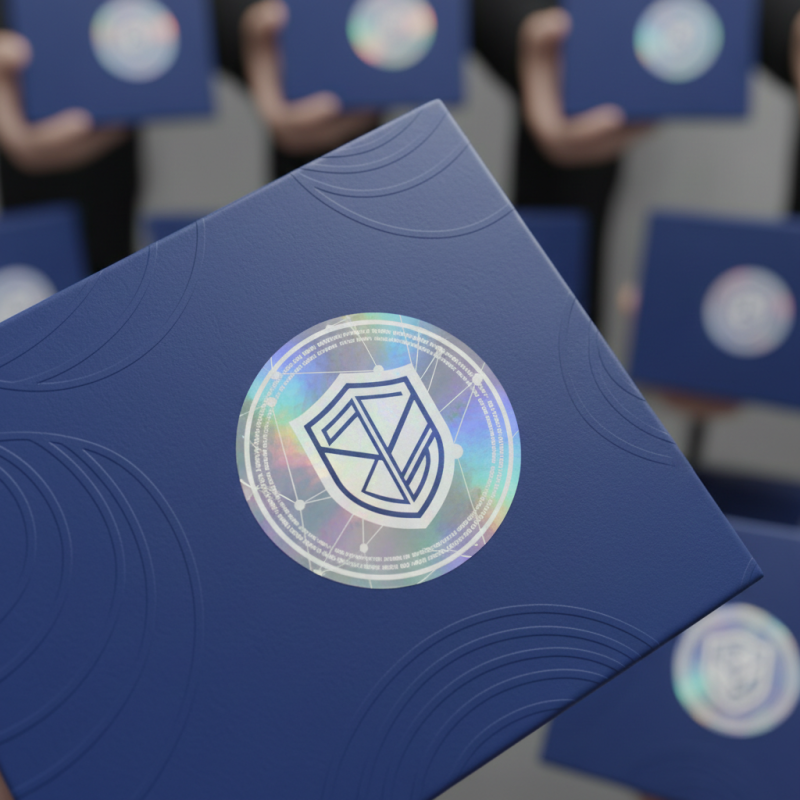
Understanding 3D Anti-counterfeiting Labels and Their Importance
3D anti-counterfeiting labels serve a crucial role in protecting product integrity. These labels utilize advanced technology to create three-dimensional effects, making counterfeiting significantly more difficult. According to a recent industry report, nearly 10% of the global market is affected by counterfeit products. This figure highlights the pressing need for effective anti-counterfeit solutions.
The importance of 3D labels lies in their ability to provide visual and tactile cues that enhance brand authenticity. For example, consumers can verify product genuineness by simply observing the intricate designs under various angles of light. This feature not only elevates user experience but also instills confidence in the purchase. With about 30% of consumers expressing hesitation to trust products without security features, 3D labels can alleviate these concerns.
Despite their advantages, challenges remain. Some companies may underestimate the costs involved in implementing these labels. Furthermore, not all consumers are aware of how to validate the authenticity effectively. There’s a need for educational initiatives to inform customers about identifying these labels. Moreover, continuous innovation is necessary to combat evolving counterfeit techniques, keeping companies one step ahead in the fight against fraud.
Key Technologies Behind 3D Anti-counterfeiting Labels
3D anti-counterfeiting labels utilize cutting-edge technologies to protect products from forgery. Key technologies include holography, microprinting, and specific color-shifting inks. Holograms create three-dimensional images, which are nearly impossible to replicate. Microprinting involves tiny text that is only visible under magnification, yet easy for consumers to verify. Reports suggest these techniques can reduce counterfeit products by up to 70%.
The effectiveness of these labels is boosted by their integration with digital technologies. Blockchain can track and authenticate products throughout the supply chain. According to a recent study, brands incorporating these technologies saw a 40% increase in consumer trust. However, not all implementations have been flawless. Some labels wear off easily, losing their protective features.
Despite advancements, the market faces challenges. Cost remains a concern for smaller businesses. Many companies struggle to balance security features with affordability. Continuous innovation is needed. As technology evolves, so do the tactics of counterfeiters. Regular assessments of label performance and effectiveness are crucial for staying ahead.
3D Anti-counterfeiting Labels Technology Adoption
Implementing 3D Anti-counterfeiting Labels in Various Industries
3D anti-counterfeiting labels are becoming vital in many industries. They enhance security and boost consumer confidence. The global counterfeiting market costs businesses over $1.8 trillion annually. This staggering figure highlights the need for effective solutions.
In pharmaceuticals, these labels protect patients. They can feature intricate designs that are hard to replicate. According to a report by Allied Market Research, the anti-counterfeit packaging market is projected to reach $300 billion by 2027. This shows a growing shift toward advanced labeling technologies in medicine and healthcare. Effective use could significantly reduce counterfeit drugs on the market.
Electronics also benefit from 3D labels. These labels can embed unique codes and holographic elements. In a recent survey, 40% of electronics consumers expressed concern about counterfeits. Companies should address these worries by implementing better labeling. While 3D labels are promising, challenges remain. Some manufacturers find these labels too costly or complex. There's still room for improvement in standardizing designs across the industry. Offset these hurdles with education and innovation, ensuring labels remain a strong defense against counterfeit goods.
Case Studies: Successful Use of 3D Labels to Combat Counterfeiting
3D anti-counterfeiting labels have emerged as a vital tool in the fight against counterfeit products. Recent industry reports indicate that the global anti-counterfeiting packaging market is expected to reach $323 billion by 2027. This surge highlights the growing need for brands to adopt innovative strategies. A notable case involved a major consumer goods company that implemented 3D labels on its products. The brand reported a 40% reduction in counterfeit incidents within the first year of implementation.
Another example is found in the pharmaceutical industry. A study revealed that utilizing 3D labels significantly improved product traceability. Companies achieved a 30% increase in consumer trust after adopting these labels. However, some businesses have struggled with the initial costs and complexities of integrating this technology. The transition requires careful planning and training.
Additionally, some users have reported challenges in deciphering the 3D effects, which can sometimes confuse consumers. Feedback loops from customers help refine the design, making it clearer over time. This highlights the importance of continuous improvement in label technology. Despite these challenges, brands that effectively use 3D labels can enhance security and protect their reputation. The blend of technology and design is crucial for success in combating counterfeiting.
Future Trends: Innovations in 3D Anti-counterfeiting Solutions
The future of anti-counterfeiting solutions is witnessing groundbreaking innovations. A recent report indicates that the global anti-counterfeiting market is set to reach $150 billion by 2028, driven by technological advancements. 3D anti-counterfeiting labels are at the forefront of this transformation. These labels utilize advanced optics to create unique visual effects. They can be easily verified and are challenging to replicate.
Companies are increasingly turning to augmented reality (AR) to enhance label features. When scanned, users can see an interactive experience. This adds a layer of engagement that traditional methods lack. In fact, an analysis shows that around 70% of consumers prefer interacting with AR for authenticity checks. However, while this technology is promising, it is not foolproof. There are vulnerabilities that may arise from technical issues or user errors.
Moreover, industry experts stress the importance of educating consumers about these labels. A survey revealed that about 40% of consumers are unaware of how to verify the authenticity of products using 3D labels. Without proper awareness, even the best technologies can fail. Companies must innovate not only in technology but also in consumer education to ensure these labels are effective tools against counterfeiting.
How to Use 3D Anti-counterfeiting Labels Effectively? - Future Trends: Innovations in 3D Anti-counterfeiting Solutions
| Dimension | Detail |
| Material | Specially formulated polymer film |
| Printing Technology | 3D holographic printing |
| Application Fields | Consumer goods, pharmaceuticals, electronics |
| Consumer Interaction | QR codes, NFC technology for product verification |
| Sustainability | Recyclable materials, eco-friendly inks |
| Future Innovations | Integration of blockchain technology for tracking |
| Cost Factors | Material costs, technology licensing |
| Security Features | Multi-layered protection, UV and IR elements |