The Evolution of Sachet Packaging Machines Transforming the Food and Beverage Industry
In recent years, the food and beverage industry has witnessed a significant transformation driven by advancements in technology, particularly in the realm of packaging. One of the standout innovations in this sector is the
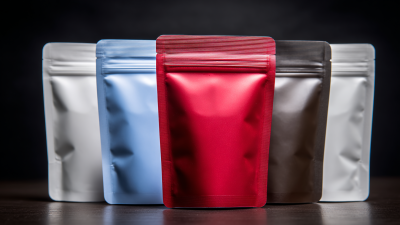
Sachet Packaging Machine, which has revolutionized how products are presented and delivered to consumers.
This efficient and versatile packaging solution offers numerous advantages, including
cost-effectiveness, convenience, and enhanced
shelf-life for various food and beverage items.
As demands for sustainable and portion-controlled packaging continue to rise, the evolution of Sachet Packaging Machines is shaping a new era in how companies approach their production processes.
With the integration of smart technologies and automation, these machines not only streamline operations but also ensure that products meet the modern consumer's expectations for quality and sustainability.
This article explores the journey of Sachet Packaging Machines, highlighting their pivotal role in transforming the food and beverage landscape.
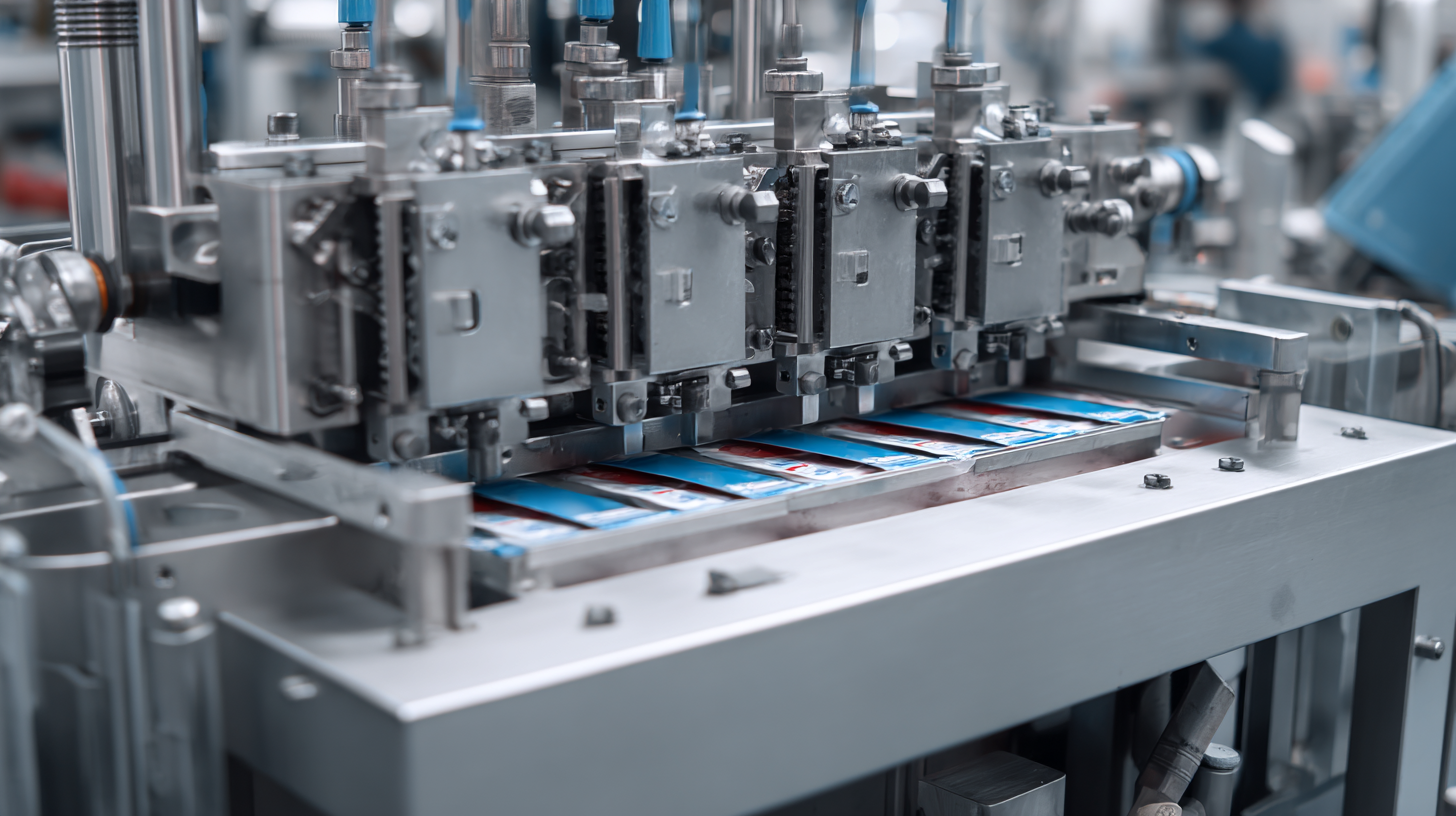
The Rise of Sachet Packaging Machines in Modern Food Production
Sachet packaging machines have become a transformative force in modern food production, responding to a growing consumer demand for convenience and portion control. According to a report by Smithers Pira, the sachet packaging market is projected to reach USD 22 billion by 2025, driven by the increasing popularity of single-serve products. This growth reflects a significant shift in consumer behavior towards on-the-go consumption, especially among millennials and Gen Z, who favor portable and easy-to-use packaging options.
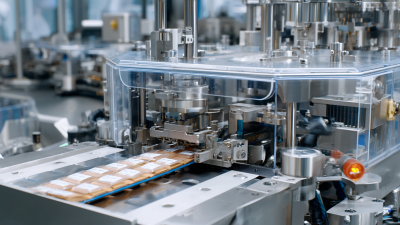
Manufacturers are adapting to these trends by investing in advanced sachet packaging technologies that enhance efficiency, reduce waste, and ensure product freshness. The latest machines incorporate features such as automated filling, sealing, and labeling, enabling companies to meet higher throughput demands while minimizing labor costs. A study published by Grand View Research highlights that the market for automatic sachet machines is expected to grow at a CAGR of 6.5% from 2021 to 2028, emphasizing the industry's ongoing evolution. As food and beverage companies embrace these innovations, sachet packaging machines are establishing themselves as a crucial element in streamlining production processes and enhancing product appeal.
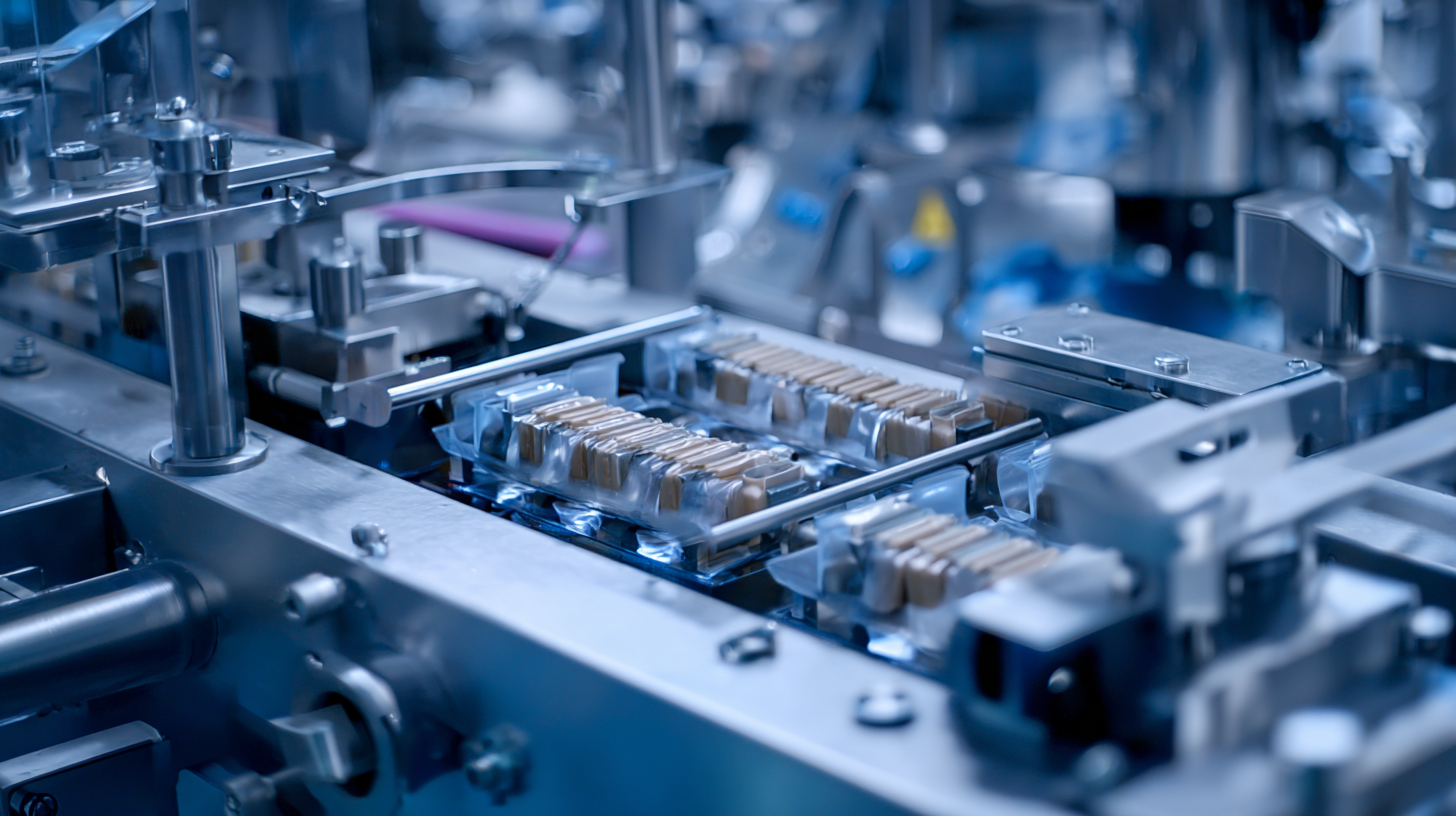
Key Technological Innovations Driving Sachet Packaging Evolution
The evolution of sachet packaging machines has significantly transformed the food and beverage industry, driven by key technological innovations. Recent advancements in automation and efficiency have enabled these machines to function at high speeds while maintaining the precision required for diverse product types. The integration of smart technologies, such as IoT (Internet of Things) capabilities, allows for real-time monitoring and data analytics, ensuring optimal performance and reducing downtime.
Moreover, sustainability remains at the forefront of packaging innovations, with many manufacturers focusing on using eco-friendly materials and creating recyclable solutions. The growing consumer demand for sustainable practices pushes companies to develop alternative packaging options that minimize environmental impact. As a result, sachet packaging is adapting to incorporate biodegradable materials and reduce plastic consumption, further enhancing its appeal in a market that increasingly values environmental responsibility. With projections indicating a substantial market growth, these technological advancements not only underscore the industry's adaptability but also its commitment to a sustainable future.
Benefits of Sachet Packaging for Food and Beverage Brands
Sachet packaging has become an essential innovation in the food and beverage industry, offering numerous advantages for brands aiming to enhance consumer convenience and minimize waste. According to a recent report by Smithers Pira, the global sachet packaging market is projected to grow at a CAGR of 5.1% from 2022 to 2027, reflecting a rising demand for single-serve packages. This growth is largely attributed to consumer preferences for on-the-go products and portion control, which sachet packaging effectively provides.
Moreover, sachet packaging allows food and beverage brands to improve their sustainability profiles. Many companies are incorporating recyclable and biodegradable materials in their sachets, helping to reduce environmental impact. A study by Grand View Research found that sustainable packaging can influence purchasing decisions for 60% of consumers, emphasizing the importance of eco-friendly solutions in contemporary packaging strategies. These benefits not only enhance brand loyalty but also position companies to meet upcoming regulatory requirements and consumer expectations for responsible packaging practices.
Sustainability Trends in Sachet Packaging Solutions
As the food and beverage industry moves towards more sustainable practices, sachet packaging solutions are evolving to meet this demand. Companies are increasingly focusing on minimizing their environmental footprint by using biodegradable materials and reducing waste. Innovations in materials science are paving the way for sachets that decompose more readily and have a lower impact on the planet, making them an attractive option for eco-conscious consumers. This shift towards sustainability is not only beneficial for the environment but also enhances brand loyalty and attracts a growing market segment that prioritizes eco-friendly products.
Tip: When choosing sachet packaging, consider options made from renewable resources or those that are designed for recyclability. This small change can significantly enhance your brand's sustainability profile.
Additionally, advancements in sachet packaging machinery are enhancing production efficiency while ensuring quality. Modern machines facilitate the use of sustainable materials without compromising on performance, therefore meeting the industry's dual goals of efficiency and environmental responsibility. As consumers demand more transparency and accountability from brands, adopting sustainable practices in sachet packaging becomes a critical competitive advantage.
Tip: Regularly evaluate your packaging processes and materials to identify areas for improvement. Engaging with suppliers who prioritize sustainability can help strengthen your commitment to environmental stewardship.
Future Prospects: AI and Automation in Sachet Packaging Industry
The integration of AI and automation into the sachet packaging industry is revolutionizing how food and beverage products are packaged, enhancing efficiency and reducing waste. The metallized rollstock film market is a key player in this transformation, projected to grow from USD 5.5 billion in 2025 to USD 10.3 billion by 2035, reflecting a CAGR of 6.5%. This growth underscores the rising demand for innovative packaging solutions that meet consumer expectations for sustainability and convenience.
Automation technologies are streamlining packaging processes, facilitating quicker turnarounds and minimizing human error. As the Aero-Gel pouch sealers market grows in importance, advancements in AI are enabling predictive demand forecasting and smart packaging designs, which can anticipate consumer trends and optimize production lines. With the packaging waste recycling market expected to rise from USD 33.8 billion in 2025 to USD 53.0 billion by 2035, the focus on eco-friendly practices is stronger than ever.
Tips: Businesses should embrace these technological advancements to enhance their packaging strategies. Investing in AI-driven solutions not only improves efficiency but also aligns with sustainability goals, appealing to environmentally-conscious consumers. Adopting automated processes can lead to significant cost savings and increased competitiveness in a rapidly evolving market.
The Evolution of Sachet Packaging Machines Transforming the Food and Beverage Industry - Future Prospects: AI and Automation in Sachet Packaging Industry
| Year |
Key Innovations |
Market Impact |
Future Trends |
| 2015 |
Introduction of semi-automated sachet machines |
Increased production efficiency by 25% |
Focus on integrating IoT for better monitoring |
| 2018 |
Launch of fully automated sachet packaging systems |
Reduced labor costs by 30% |
Increased use of robotics in packaging |
| 2021 |
Development of smart packaging technologies |
Enhanced product safety and prolong shelf life |
Continued rise in AI-driven solutions |
| 2023 |
Integration of machine learning for predictive maintenance |
Minimized downtime by 40% |
Prevalent use of automation in small to mid-sized operations |
| 2025 (Projected) |
Universal adoption of AI for real-time packaging adjustments |
Enhanced agility in market response |
Greater consolidation of sustainability practices |