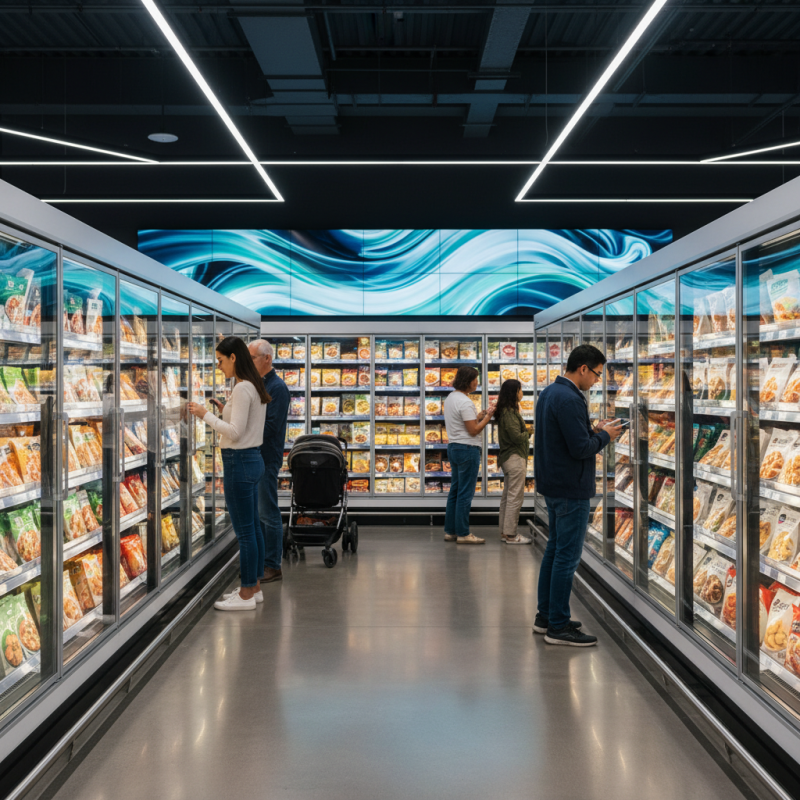
Frozen Food Trends and Best Practices for Global Buyers?
The Frozen Food industry is evolving rapidly. Experts highlight the growing demand for healthy and convenient options. According to Dr. Emma Reynolds, a leading consultant in the frozen food sector, “Consumers are increasingly seeking quality without sacrificing convenience.”
Frozen food now encompasses a wide variety of products. Popular trends include plant-based meals, ethnic cuisines, and clean-label products. Buyers must recognize that today’s consumers value transparency and nutrition. They demand high-quality options that align with their lifestyle choices.
However, challenges remain. The industry faces concerns over supply chain management and maintaining freshness. It is crucial for global buyers to adapt to these changes. Understanding customer preferences can lead to better product offerings. As the market grows, so does the need for innovation and reflection on past practices.
Frozen Food Market Overview: Current Trends and Consumer Preferences
The frozen food market has seen notable shifts in consumer preferences. According to a report by Grand View Research, the global frozen food market is expected to reach $500 billion by 2028, growing at a CAGR of 4.5%. This growth is influenced by a changing perception of frozen foods, with many consumers recognizing their convenience and long shelf life. This trend reflects an increasing demand for time-saving meal solutions, especially among busy families and young professionals.
In terms of consumer preferences, health and wellness play a crucial role. Research from Mintel reveals that 48% of consumers prefer frozen foods with clean labels, including natural ingredients. Additionally, plant-based options within the frozen category are on the rise, appealing to a growing demographic focused on sustainability and healthy eating. Despite these positive trends, some consumers still harbor misconceptions about the nutritional value of frozen foods. There is a need for continued education and marketing efforts to transform these perceptions.
The frozen food sector must adapt to fluctuating trends while addressing consumer concerns. For instance, transparency in sourcing and processing can help build trust. Even with increasing popularity, there remains potential for growth that may vary by region and demographic. For global buyers, understanding these nuances is key to making informed decisions in an evolving marketplace.
Key Factors Driving the Growth of the Frozen Food Industry
The frozen food industry is experiencing significant growth due to several key factors. One major driver is the increasing demand for convenience. Busy lifestyles lead consumers to seek quick meal solutions. Frozen foods offer easy preparation without sacrificing nutrition. They can be stored for long periods, making them an attractive option for many households.
Another critical factor is the rise of health-conscious eating. Consumers are becoming more aware of their dietary choices. As a result, the market has seen an increase in frozen options that cater to dietary restrictions. Options for gluten-free, organic, and plant-based foods are gaining traction. This trend reflects a shift towards healthier, more mindful eating habits among consumers.
However, the industry faces challenges as well. The perception of frozen foods being less fresh persists among some buyers. Overcoming these misconceptions will require education about the quality and nutritional benefits of frozen products. Transparency in sourcing and production can enhance trust with consumers. Addressing these areas can help the frozen food sector evolve further.
Sourcing Strategies: Best Practices for Global Frozen Food Buyers
In today’s global market, sourcing frozen foods requires strategic planning. Buyers must be aware of trends influencing the industry. Understanding consumer preferences for convenience and quality is crucial. Incorporating these insights helps in selecting the right products.
Tip: Regularly engage with local suppliers. This builds relationships and can lead to better deals. Explore seasonal variations in frozen goods, as these can enhance offerings.
Adapting sourcing strategies is vital. Evaluate logistics to handle temperature-controlled products effectively. Supply chain disruptions can occur, making flexibility essential. Buyers may need to pivot quickly to secure stock or renegotiate contracts.
Tip: Stay informed about emerging frozen food trends. These include plant-based options and sustainable packaging. Such practices appeal to environmentally conscious consumers. Sharing insights within your purchasing team can foster innovation and respond to market demands.
Sustainability in Frozen Food: Challenges and Opportunities
Sustainability is a pressing issue in the frozen food industry. A recent report by the Food Institute revealed that over 66% of consumers prefer sustainable food options. This growing demand presents both challenges and opportunities for global buyers. Sourcing sustainable ingredients can be difficult. Sometimes, suppliers lack transparency in their practices. This leads to uncertainty in the sustainability of frozen products. Buyers must therefore conduct thorough audits of suppliers to ensure ethically sourced ingredients.
While innovative packaging has emerged as a solution, many still use materials that are not recyclable. The World Economic Forum estimates that by 2030, 80 million tons of plastic waste could be generated by packaging alone. Adopting eco-friendly materials is crucial for companies. Furthermore, improving cold chain logistics can minimize emissions significantly during transportation. However, high initial costs can be a barrier. Investing in energy-efficient technologies can yield long-term savings and reduce carbon footprints.
**Tips for sustainable sourcing**: Regularly review suppliers' sustainability certifications and practices. Use metrics to evaluate energy consumption in your supply chain. Engage with local farmers to shorten logistics and support community economies. Building relationships with sustainable partners enhances reliability and builds brand reputation.
Frozen Food Trends and Best Practices for Global Buyers
| Trend/Practice | Description | Sustainability Impact |
| Plant-Based Frozen Foods | Increase in demand for plant-based options providing healthy, sustainable alternatives to meat products. | Lower carbon footprint compared to animal-based products. |
| Eco-Friendly Packaging | Adoption of recyclable or compostable materials for packaging frozen foods. | Reduces plastic waste and promotes recycling efforts. |
| Energy-Efficient Freezing Technology | Utilization of advanced freezing methods that consume less energy. | Decreases overall energy consumption in the supply chain. |
| Local Sourcing | Using locally sourced ingredients for frozen food production. | Supports local economies and decreases transportation emissions. |
| Transparency in Supply Chains | Providing clear information on sourcing and production processes. | Builds consumer trust and encourages accountability. |
Innovative Technology in Frozen Food Processing and Packaging
In the evolving frozen food sector, innovative technology plays a crucial role in processing and packaging. Automation is transforming how food is prepared and frozen. Advanced freezing techniques, like cryogenic freezing, ensure better texture and flavor. These methods capture the freshness and nutrients of the food. However, they require specialized equipment. Many small producers struggle with high initial costs. It's an area worth exploring for improvement.
Packaging technology has also advanced significantly. Vacuum-sealed packaging maintains product quality by preventing freezer burn. Smart packaging with sensors can indicate freshness, helping reduce food waste. However, sustainability remains a challenge. High usage of plastics raises environmental concerns. It compels buyers to seek eco-friendly alternatives while ensuring product longevity.
Tip: Consider adopting energy-efficient machinery. It reduces costs and environmental impact.
Tip: Stay updated with packaging innovations. They can enhance shelf life and appeal.
Such investments might seem daunting, but they reflect the changing landscape of the industry. Embracing these technologies can lead to better efficiency and consumer satisfaction.