The Future of Food Safety: Exploring the Innovations in Sachet Packaging Machines
In an era where food safety is of paramount importance, the advancements in packaging technology, particularly the innovations in sachet packaging machines, have emerged as a crucial element in ensuring the integrity and quality of food products. The evolution of these machines has not only enhanced the efficiency of food packaging processes but has also significantly contributed to minimizing contamination risks and extending shelf life. This article delves into how sachet packaging machines are revolutionizing the food industry, highlighting their role in maintaining hygiene and protecting sensitive ingredients from external factors. By exploring the latest developments and the future potential of these machines, we aim to provide insights into how they can be leveraged to meet the increasing demands for safe and convenient food options in today's marketplace.
Revolutionizing Food Safety: The Role of Sachet Packaging Machines
The importance of food safety has never been more paramount as we navigate a world increasingly focused on health and hygiene. Sachet packaging machines are emerging as critical players in this revolution. According to a recent report by MarketsandMarkets, the global market for food packaging is expected to grow from USD 365 billion in 2021 to USD 450 billion by 2025, highlighting a significant shift towards more protective and innovative packaging solutions. These machines offer a way to seal food products in tamper-proof sachets, enhancing shelf life and preventing contamination.
Moreover, sachet packaging not only ensures that food remains safe from external elements but also allows for better portion control and reduced waste. A study by ResearchAndMarkets indicates that 35% of consumers prioritize packaging that guarantees freshness and safety, pushing manufacturers to adopt advanced sachet technologies. With features such as nitrogen flushing and vacuum sealing, sachet packaging machines drastically reduce the risk of microbial growth in food products. As these innovations continue to evolve, they promise a future where food safety is not just a goal but a standard practice across the industry.
The Future of Food Safety: Innovations in Sachet Packaging Machines
This chart illustrates the increasing importance of different innovations in sachet packaging machines over recent years, particularly in enhancing food safety and extending shelf life.
Innovative Technologies Transforming Sachet Packaging Processes
In recent years, the food packaging industry has witnessed significant advancements, particularly in sachet packaging processes. Innovations in technology are transforming how food products are preserved, enhancing safety and extending shelf life.
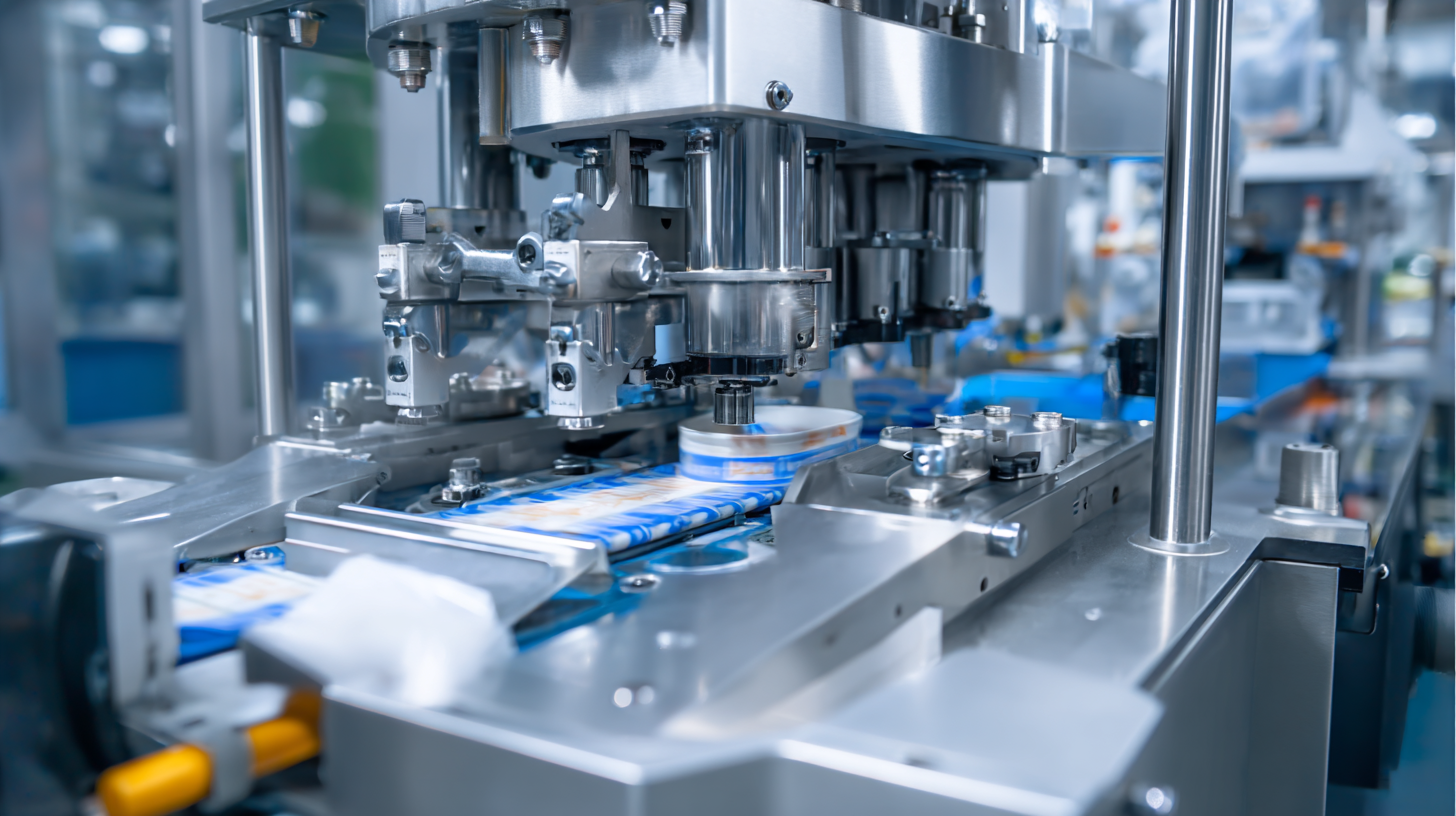 Automated sachet packaging machines are now equipped with intelligent features such as sensors and real-time monitoring systems that ensure hygienic handling and reduce the risk of contamination. These machines often incorporate advanced sealing technologies that provide airtight seals, safeguarding the contents from external moisture and pathogens.
Moreover, the integration of smart technology into sachet packaging is paving the way for greater efficiency and sustainability. Digital platforms enable manufacturers to track production data and optimize workflow, thus minimizing waste and reducing energy consumption. Additionally, biodegradable materials are being developed to cater to the growing demand for eco-friendly packaging solutions. As these innovations continue to evolve, they not only enhance food safety but also align with consumer preferences for health-conscious and environmentally sustainable products, marking a new era in the food packaging landscape.
Enhancing Shelf Life: The Impact of Advanced Packaging Solutions
As the food industry evolves, the importance of packaging solutions that enhance shelf life has become increasingly evident. Advanced sachet packaging machines are at the forefront of this innovation, incorporating techniques that protect food products from external contaminants, moisture, and oxygen. These machines produce packages that are airtight, maintaining the freshness of food items for extended periods, thereby reducing waste and ensuring consumer safety.
Tips for ensuring optimal shelf life with sachet packaging include choosing materials that provide a barrier against light and oxygen. Utilizing vacuum sealing technology can significantly extend the life of perishable goods, preventing spoilage. Additionally, regularly inspecting your packaging equipment to ensure it functions effectively can help maintain the integrity of the packaged food.
Moreover, incorporating technological advancements such as smart sensors within sachet packages can provide real-time monitoring of food quality and freshness. This not only enhances safety but also allows manufacturers to provide more transparent information to consumers, fostering trust and satisfaction. Adopting these innovative solutions is essential for navigating the future of food safety.
Smart Packaging: Integrating Digital Innovations for Food Safety
Smart packaging is emerging as a critical innovation in enhancing food safety and quality in today’s complex food supply chains. By integrating advanced technologies such as sensors, RFID tags, and real-time monitoring systems, smart packaging not only ensures the integrity of food products but also provides vital information about their condition. This technology addresses growing consumer demands for transparency and safety, as well as the need for sustainable practices in food packaging.
As the global smart packaging market is projected to expand substantially, reaching USD 42.81 billion by 2033, the emphasis on innovations in this area will become paramount. The use of active and intelligent packaging solutions is revolutionizing how food is preserved, reducing waste and extending shelf life. Techniques such as 3D printing in packaging materials are further enhancing preservation capabilities, signifying a shift towards more responsive and adaptive food packaging solutions. These developments not only safeguard public health but also contribute to sustainability, making intelligent packaging a key player in the future of food safety.
The Future of Food Safety: Exploring the Innovations in Sachet Packaging Machines
| Dimension |
Description |
Impact |
Examples of Innovations |
| Smart Sensors |
Devices that monitor environmental conditions and product quality in real-time. |
Enhanced monitoring improves food safety and reduces spoilage. |
Temperature and humidity sensors integrated with packaging. |
| QR Codes |
Quick Response codes that consumers can scan for information. |
Transparency in food sourcing and safety information increases consumer trust. |
Traceability of product origins and safety certifications. |
| Biodegradable Materials |
Sustainable materials that reduce environmental impact. |
Minimizes pollution and promotes eco-friendly practices. |
Plant-based films and compostable sachets. |
| Blockchain Technology |
Distributed ledger technology for recording transactions and data. |
Increases traceability and accountability in the food supply chain. |
Tracking product journey from farm to table. |
| Active Packaging |
Packaging that interacts with the food to extend shelf life. |
Improves food preservation and reduces waste. |
Oxygen scavengers and moisture absorbers in sachets. |
Sustainable Practices in Sachet Packaging: Balancing Safety and Environment
Sachet packaging has emerged as a crucial player in the food industry, particularly in the context of sustainable practices. As consumers increasingly demand eco-friendly alternatives, manufacturers are innovating to create packaging that not only preserves food safety but also minimizes environmental impact. By utilizing biodegradable materials and designing sachets that reduce waste, companies can offer products that align with eco-conscious consumer preferences.
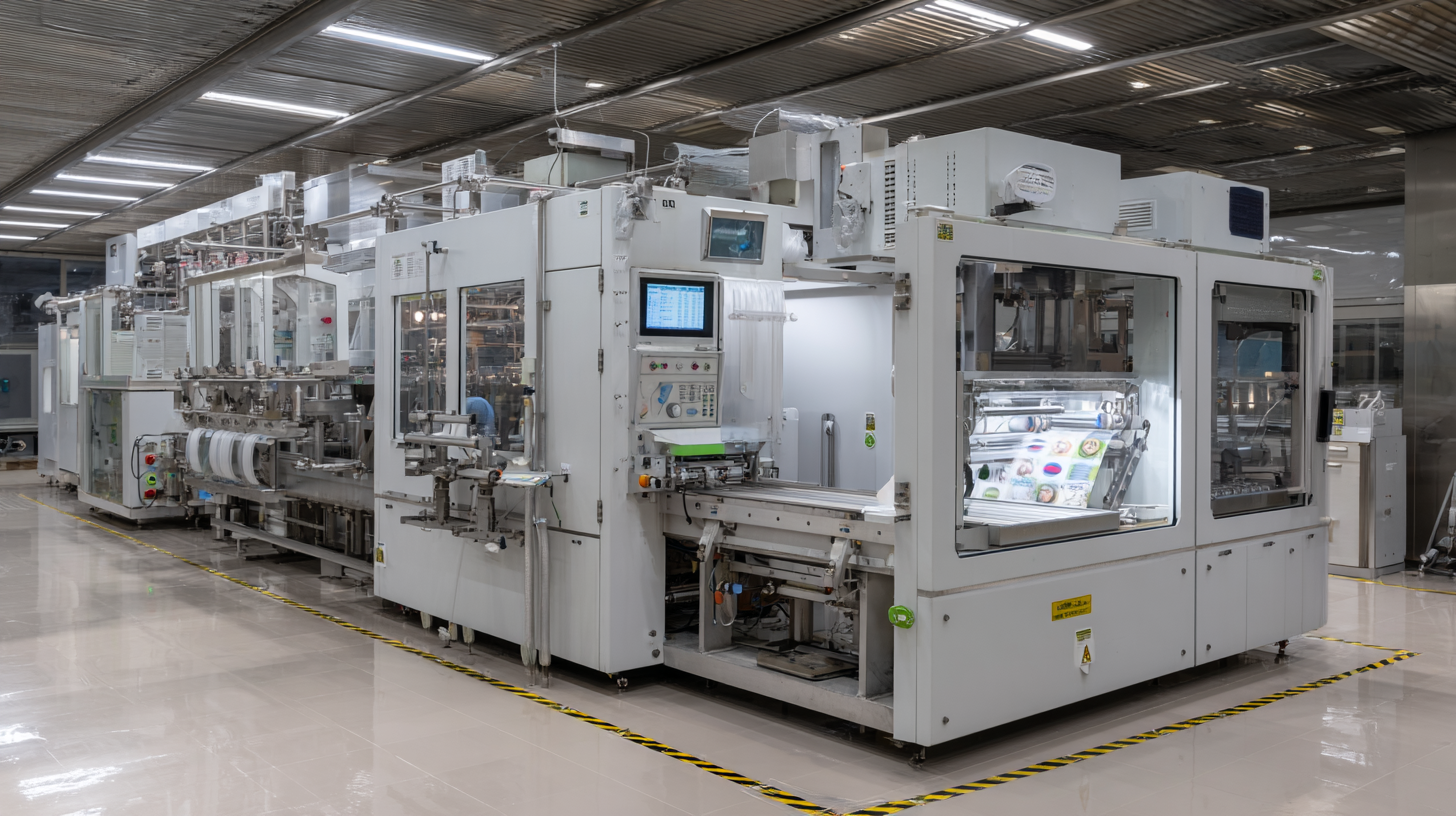
Moreover, advancements in technology have led to the development of more efficient sachet packaging machines that optimize resource use. These machines can reduce energy consumption and ensure precise material usage, thus lowering the carbon footprint associated with food packaging. As the industry moves towards incorporating smart sensors, the ability to monitor product freshness and safety in real-time enhances overall food safety. By balancing hygiene standards with sustainable practices, the future of sachet packaging holds the promise of delivering safer food while safeguarding the planet.