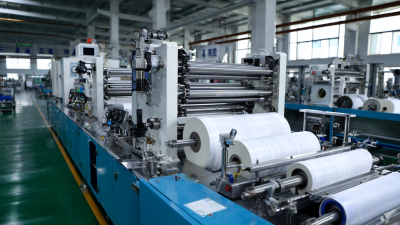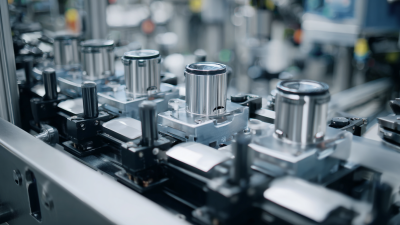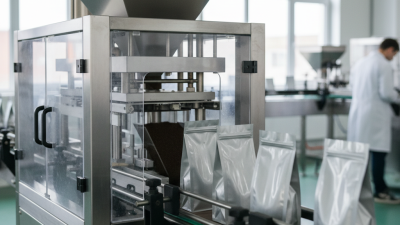
ProMach is your partner from start to finish. Our product brands are grouped into distinct business lines that make the most sense to our customers, covering every function of the production line: Filling, Bottling & Capping, Decorative Labeling, Flexibles & Trays, Pharma, Handling & Sterilizing, Labeling & Coding, Robotics & End of Line, and Systems & Integration.
learn moreChoosing among the Top Horizontal Form Fill Seal Machine Manufacturers requires more than comparing advertised speeds. A capable Horizontal Form Fill Seal Machine must control film tension, protect seal integrity, and support stable production across different package formats. Operators notice the difference quickly: cleaner seals, fewer film wrinkles, and shorter changeover time.
Industry data supports this growing focus. Grand View Research reported that the global form-fill-seal machines market was valued at approximately USD 10.6 billion in 2023, with continued growth expected through 2030. Mordor Intelligence also forecasts steady expansion for horizontal form-fill-seal equipment, driven by food, pharmaceutical, and personal-care packaging demand. These figures are useful, but they do not tell the whole story. A machine can look impressive in a report and still perform poorly in a humid factory.
Jorge Izquierdo, Vice President of Market Development at PMMI, has said, “Automation must solve a real production problem.” That principle deserves attention when evaluating leading manufacturers. The strongest suppliers combine engineering experience, hygienic design, servo-controlled motion, remote diagnostics, and responsive local service. They also provide testing with real films and products, not only polished demonstrations. A serious comparison should examine output stability, seal temperature control, tool-free adjustments, spare-parts availability, and operator training. No ranking is perfect. Buyer priorities differ. However, transparent performance data and documented customer experience create a more reliable foundation for identifying manufacturers that deliver practical value, not just impressive specifications.
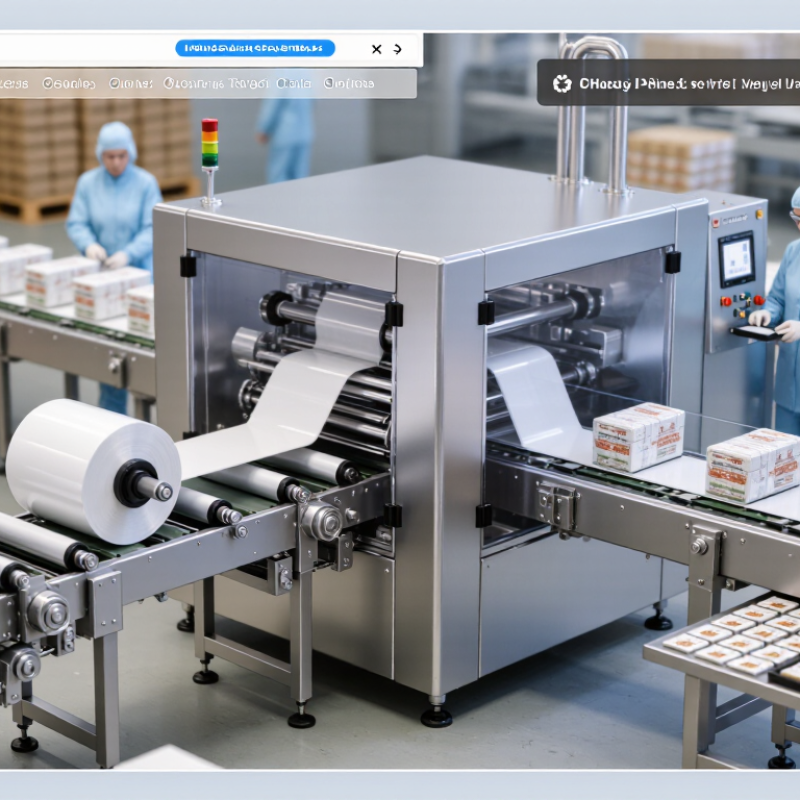
A horizontal form fill seal machine creates, fills, and seals flexible packages in one continuous process. The film moves horizontally through forming collars, filling stations, and heated sealing jaws. Products usually travel in a controlled line, while sensors check registration, film tension, and pouch position. The result may be a pillow bag, three-side seal, or shaped sachet.
Its main advantage is controlled automation. It can handle powders, granules, snacks, bakery items, and selected non-food products. Product contact parts usually require stainless steel construction and easy access for cleaning. Seal temperature, pressure, and dwell time must match the film structure. A fast machine with poor settings still produces weak seals. That detail is often underestimated.
PMMI’s 2023 State of the Industry report projected continued growth in packaging machinery demand, with automation and labor efficiency remaining major investment drivers. Grand View Research also identifies flexible packaging equipment as a growing market, supported by lightweight materials and portion-sized formats. These reports support the machine’s commercial relevance, but market figures vary by scope and region. Buyers should test real product samples before selecting equipment. A clean sample pouch can hide feeding problems. Operators should measure output, seal strength, film waste, changeover time, and unplanned stops during trials. That evidence is more useful than a headline speed.
Top Horizontal Form Fill Seal Machine Manufacturers
How Horizontal Form Fill Seal Machines Work
A horizontal form fill seal machine begins with a continuous roll of flexible film. The film travels through guide rollers and enters a forming station. There, shaped tooling creates the package’s profile. Heat or ultrasonic energy seals selected areas. Servo-driven jaws help maintain accurate timing and pressure.
The machine then opens the pouch for filling. A dosing system releases a measured amount of product into each cavity. Sensors check film position, registration marks, and sealing temperature. The top seal closes after filling, while cutting knives separate individual packs. The finished packages move toward inspection or secondary packing. The process looks simple. It is not perfectly forgiving.
Experienced manufacturers usually test film thickness, sealant layers, product temperature, and filling speed before production. A small change in film tension can create wrinkles. Excessive heat may weaken the seal. Insufficient pressure can leave channels that are difficult to notice immediately. Reliable equipment should offer accessible adjustments, clear alarms, and documented validation procedures. Operators also need practical training, not only a manual.
Tips: Keep the sealing surfaces clean. Check jaw temperature during every shift. Test sample seals after material changes. Watch for gradual film drift. It often signals a setup problem, not a machine failure. Do not trust appearance alone; a package can look neat while sealing poorly.
Horizontal form fill seal machines commonly use film webs in approximately 250–800 mm widths, depending on the package format, product size, and number of lanes. During operation, the film is unwound and formed, the product is loaded horizontally, longitudinal and cross seals are created, and the finished pack is cut and discharged.
Leading HFFS machine manufacturers design equipment around stable film handling, accurate sealing, and practical maintenance. A rigid frame reduces vibration when the machine runs at high speed. Servo-driven jaws help control seal pressure, temperature, and dwell time. These controls matter when packaging formats change during a production shift. Good manufacturers also provide clear operator screens, recipe storage, and live fault information. Small details count.
Reliable suppliers test machines with the customer’s actual film, product, and target pack size. This experience can reveal problems that factory demonstrations sometimes hide, such as wrinkles near the fin seal or uneven cutting at higher speeds. Quality systems should include repeatable factory acceptance tests, documented tolerances, and traceable electrical components. Safety guarding, emergency stops, and hygienic access points must be designed into the machine, not added later. That sounds obvious, yet rushed projects still miss it.
Service capability separates a machine builder from a long-term production partner. Look for remote diagnostics, stocked wear parts, training, and realistic response times. Energy-efficient heaters and controlled pneumatic circuits can reduce operating waste, but claimed savings need measured data. No machine is perfect. Film variation, operator habits, and cleaning routines can affect results. Manufacturers that discuss these limits openly are often more trustworthy than those promising effortless performance. Ask for trial-run records, maintenance intervals, and references from comparable applications before approving a purchase.
Comparing top horizontal form fill seal machine manufacturers requires more than checking rated speed. Start with the package you actually produce. Measure film width, seal temperature, pouch length, product dust, and changeover frequency. A machine that runs 180 packs per minute may struggle with fine powder or uneven product flow.
Ask each manufacturer for a witnessed factory acceptance test. Use your film, product, and target pouch sizes. Record seal strength, weight accuracy, reject rates, and changeover time. Inspect the sealing jaws after extended operation. Look for stable temperature control, accessible sensors, and guards that allow safe cleaning. The control system should store recipes and show useful alarm details, not vague fault codes.
Service capability often separates strong suppliers from average ones. Check technician response times, spare-parts availability, training plans, and remote diagnostic options. Request references from facilities with similar humidity, production hours, and packaging materials. Review documentation carefully. It should include electrical drawings, maintenance intervals, and clear sanitation procedures.
No scorecard is perfect. A lower purchase price can hide expensive downtime. I would also question impressive speed claims without product evidence. Some evaluations overlook operator comfort, which later affects consistency. A short trial may reveal more than a polished presentation. Leave room for improvement. Even a reliable HFFS machine needs disciplined maintenance, realistic specifications, and cooperation between the manufacturer and production team.
HFFS machines support diverse industries because they form, fill, and seal flexible packs in one continuous process. Food remains the largest user, including snacks, frozen vegetables, coffee, sauces, pet food, and baked goods. Pharmaceutical and medical applications use sachets, stick packs, and three-side-seal pouches for controlled doses. Personal care and household products often require leak-resistant refill packs. According to Grand View Research, the global flexible packaging market reached about USD 266.7 billion in 2023, with growth expected through 2030. That expansion supports wider HFFS adoption.
Packaging formats vary by product behavior and shelf-life needs. Pillow bags suit dry snacks and powders. Gusseted bags provide extra volume for pet food and household products. Stick packs work well for beverages, supplements, and single-use powders. Four-side-seal sachets offer compact, clean edges for creams and small liquid products. PMMI’s recent packaging machinery outlook highlights automation, quick changeovers, and waste reduction as major purchasing priorities. However, faster output is not always better. Poor sealing temperature control can create hidden leaks, especially with oily products or dusty powders.
Tips: Match the sealing system to the film structure, not only the product weight. Test real production materials, including recycled-content films. Measure seal strength, oxygen transmission, and changeover time. A machine that looks efficient may still waste film during adjustment. Keep that weakness visible.