Why is Offset Printing Inspection Crucial for Quality Control?
In the competitive world of printing, quality is paramount. Offset Printing Inspection plays a crucial role in ensuring that every print job meets industry standards. According to the global market report by Smithers, the offset printing sector is projected to reach $200 billion by 2026. With such high stakes, the significance of rigorous inspection processes cannot be overstated.
Industry expert Dr. Emily Carter, known for her contributions to print technology, states, “Quality assurance through Offset Printing Inspection is not just an option; it’s a necessity.” This emphasizes the need for precision in every phase of production. Anomalies can lead to costly reprints or dissatisfied clients. Regular inspections help identify issues early, mitigating both reputational and financial risks.
Moreover, the dynamics of print technology are constantly evolving. New materials and techniques emerge that may challenge traditional quality checks. The reliance on manual inspections alone can lead to oversights. Machines and automated systems can enhance detection capabilities, but human judgment remains invaluable. Striking the right balance is essential for maintaining high quality in every print.
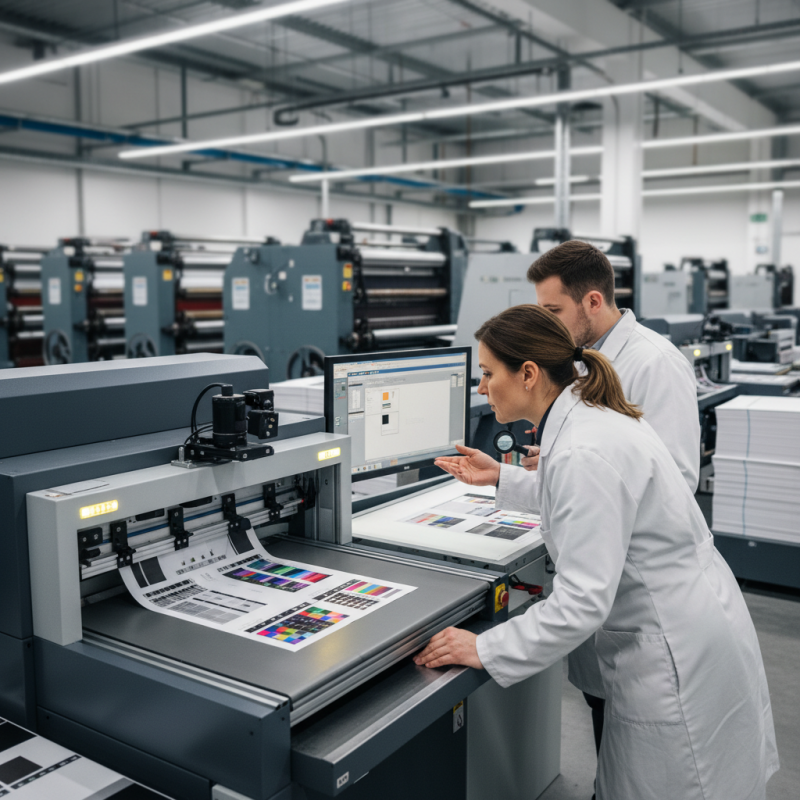
Importance of Offset Printing in the Printing Industry
Offset printing plays a vital role in the printing industry, delivering high-quality results across various applications. In 2020, the global offset printing market was valued at approximately $20 billion, with expectations to grow at a CAGR of 4.4% through 2027. This method offers versatility, enabling high-volume job execution with consistent color and detail. However, maintaining quality in offset printing requires strict inspection processes.
Without proper inspection, even minor errors can escalate. Various studies indicate that defects can increase costs by over 20%. Effective inspection identifies issues early, reducing waste and rework. While many facilities invest heavily in technology, some still overlook routine quality checks. This can create inconsistencies that affect output. It's critical to establish a systematic approach to quality control to ensure that every print meets industry standards.
Additionally, the shift towards digital integration in offset printing raises more complexities. While advanced technology improves production rates, it can also introduce new challenges for quality assurance. Not all printers adapt smoothly, leading to potential discrepancies. Implementing robust inspection methods alongside technology can bridge this gap, ensuring that the integrity of each print job is upheld.
Key Aspects of Quality Control in Offset Printing Processes
Offset printing is widely used for its efficiency and high-quality output. However, quality control throughout the printing process is often overlooked. Key aspects of quality control include color consistency, registration accuracy, and substrate inspection. A study from Print Quality Control Research reports that up to 30% of printed materials may suffer from color discrepancies without proper oversight. This highlights the necessity of implementing systematic inspection measures.
Regular inspections during the offset printing process can significantly reduce waste. Setting quality benchmarks and using standard color references aid in monitoring color fidelity. It’s crucial to maintain perfect alignment, as misregistration can lead to misprints, impacting the overall quality. Implementing a protocol for substrate checks ensures that material issues don’t compromise the final product.
Tips for quality control: always calibrate your printing machines before a run. This simple step can prevent small errors from escalating. Regular training for your team on the latest inspection techniques can elevate your quality standards. Documenting common flaws and their resolutions helps create a continuous improvement culture. Realizing that no process is flawless encourages teams to seek innovative solutions for persistent quality issues.
Offset Printing Quality Control Metrics
Common Defects Detected During Offset Printing Inspection
Offset printing is widely used, but it is not flawless. During inspection, several common defects can be identified. These defects can impact the final product's quality. Issues such as color inconsistencies, misregistration, and surface imperfections are frequently detected. Each of these flaws can diminish the visual appeal of printed materials.
Color inconsistencies can arise from various factors, including ink formulation and press adjustments. Misregistration occurs when colors do not align correctly, leading to blurry images. Surface imperfections, like scratches or smudges, affect the tactile quality of printed items. Inspectors need a keen eye to catch these issues early in the process.
Tips: Regularly calibrate your printing equipment. This ensures that colors remain consistent. Always conduct a test run before large print jobs. It saves time and minimizes defects in the final product. Quality inspections should not be rushed. Taking time to check for these common flaws ensures better results over time.
Methods for Effective Inspection in Offset Printing
Offset printing is a complex process that requires meticulous inspection to ensure quality. Effective inspection methods are essential for achieving high standards. One common method is visual inspection, where operators carefully examine prints for consistency in color and alignment. This process helps identify minor defects early, which can prevent larger issues in production.
Another important technique is the use of sophisticated measuring tools. These tools can assess color accuracy and registration. For instance, spectrophotometers provide precise color readings. However, relying solely on technology may overlook subtle issues that trained eyes can catch. It is a delicate balance between human judgment and machine efficiency.
Additionally, implementing regular quality audits is crucial. These audits reveal patterns over time and inform operators about persistent issues. This knowledge can lead to improved training or adjustments in the printing process. Yet, audits can also highlight areas where operators might become complacent. Reflection on past mistakes is vital for continuous improvement in offset printing quality.
Why is Offset Printing Inspection Crucial for Quality Control? - Methods for Effective Inspection in Offset Printing
| Inspection Method | Purpose | Frequency | Tools Used |
| Visual Inspection | Identify obvious defects and color consistency | Every run | Magnifying glass, light source |
| Color Calibration | Ensure accurate color reproduction | Daily | Color spectrophotometer |
| Substrate Testing | Verify substrate quality and compatibility | Per batch | Caliper, texture analyzer |
| Print Density Measurement | Assess ink coverage | Hourly | Densitometer |
| Registration Check | Ensure print alignment | Every setup change | Print registration marks |
Impact of Inspection on Overall Product Quality and Customer Satisfaction
Offset printing inspection plays a critical role in ensuring product quality. This process involves checking for color accuracy, registration, and print defects. Each inspection step can make or break a batch. A small error in one print run can lead to customer dissatisfaction. When the quality fluctuates, trust in the product diminishes.
The influence of inspection stretches beyond the print itself. Customers expect consistency and reliability. If one product meets their expectations and another does not, their perception of the brand shifts. This inconsistency may lead to lost sales. Additionally, any visible defect can tarnish a reputation that took years to build.
Effective inspection techniques can identify issues early. Tools like digital scanners and color spectrophotometers enhance the inspection process. However, not every flaw is easy to catch. There will always be subtle imperfections that may slip through. In these cases, constant improvement in inspection methods becomes essential for maintaining quality. A commitment to refining processes ensures that the end product meets high standards.