What Are Orthopedic Implants and How Do They Work?
orthopedic implants are critical in modern medicine. They support broken bones and joint replacements. The global orthopedic implant market was valued at over $50 billion in 2020 and is projected to grow significantly. As the population ages, the demand for these devices increases.
Orthopedic implants include screws, plates, and prosthetics. These devices help patients regain mobility and reduce pain. However, challenges remain. Not all implants integrate well with bone. Sometimes, failures occur, leading to additional surgeries.
Emerging technologies aim to improve implant performance. Innovations include 3D printing and biocompatible materials. While there are advancements, ongoing research is necessary. The journey of orthopedic implant development is filled with both successes and lessons.
What Are Orthopedic Implants?
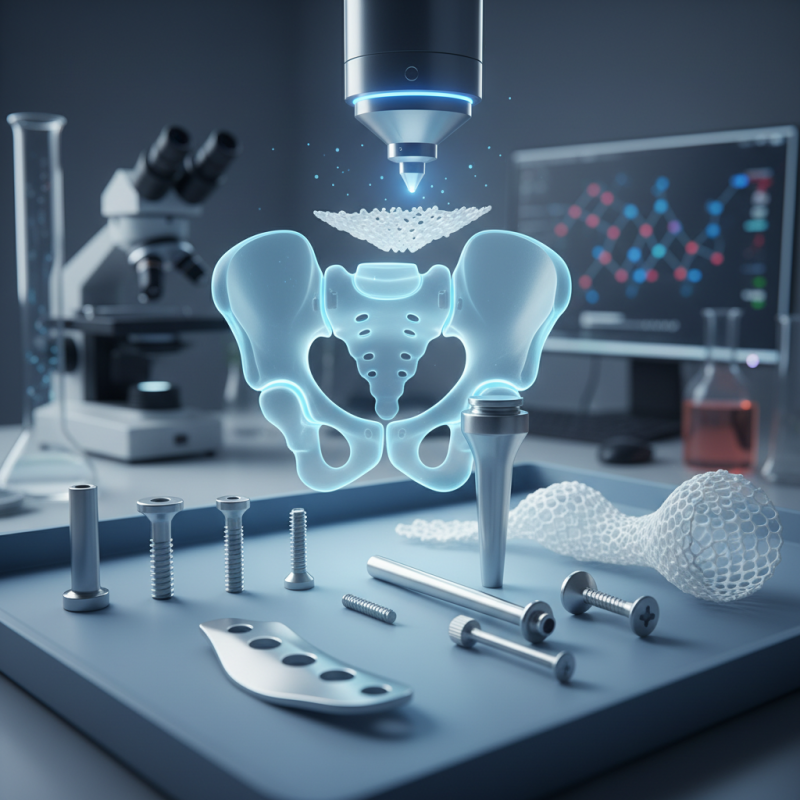
Orthopedic implants are medical devices used in surgeries to support or replace damaged bones and joints. They come in various shapes and sizes, designed to meet specific needs. Common implants include screws, plates, and joint replacements. These devices play a crucial role in restoring function and alleviating pain.
The core purpose of an orthopedic implant is to provide stability. For instance, a hip replacement can allow a patient to walk again after severe arthritis. However, not every implant works perfectly for every individual. Factors like age, activity level, and overall health can influence the effectiveness of the device. Some patients may experience complications, requiring additional procedures.
When considering orthopedic implants, discussions with medical professionals are essential. It might help to understand the risks involved. The journey of healing can be unpredictable. A successful outcome often requires dedication to rehabilitation. Success is not always guaranteed, and patience can be tested. People must be prepared for the reality that recovery can be a long process, and each individual's journey is unique.
Types of Orthopedic Implants and Their Uses
Orthopedic implants are medical devices used to support or replace damaged bones and joints. These implants come in various types, each serving different purposes. Common types include plates, screws, rods, and joint replacements. Plates and screws are often used in fracture fixation. They hold broken bones together to aid healing. Rods are inserted into long bones, providing stability. Joint replacements involve removing damaged joints and replacing them with artificial ones.
Tips for choosing orthopedic implants: Consult with your healthcare provider to discuss the best options. Understand the specific type of injury or condition being treated. Research the materials used in the implants. Some materials may offer better compatibility for certain patients. Keep in mind that not all implants are appropriate for everyone. It’s crucial to weigh the benefits and risks carefully.
Remember, healing is a process. Recovery times vary widely between individuals. Regular follow-ups with your doctor are essential. This ensures that the implant is functioning correctly. You may experience discomfort or limitations initially. These feelings are normal but should be monitored. Engage in prescribed physical therapy to aid in recovery.
The Materials Used in Orthopedic Implants
Orthopedic implants are essential in modern medicine. They help in the treatment of fractures, joint replacements, and spinal surgeries. The materials used for these implants are crucial for their effectiveness and safety. Common materials include stainless steel, titanium, and polymers.
Stainless steel is popular due to its strength and resistance to corrosion. However, it is heavier. Patients may feel discomfort. Titanium is lighter and biocompatible, meaning it integrates well with bone. Yet, it can be more expensive. Through ongoing research, alternatives are being explored.
Polymers, like polyethylene, are often used in joint replacements. They provide cushioning but may wear over time. This raises concerns about longevity. Material choice affects the lifespan and success of implants, leading to ongoing conversations in the medical community. Each material has strengths and weaknesses, and the decision process is complex.
Materials Used in Orthopedic Implants
How Orthopedic Implants Are Inserted
Orthopedic implants are medical devices used to support or replace bones and joints. The process of inserting these implants is complex, requiring precision. Surgeons start by making an incision near the affected area. This allows them to access the bone or joint that needs support.
Once the area is exposed, the surgeon prepares the site. They clean the bone surface and ensure it is ready for the implant. Sometimes, the surrounding tissue can obstruct the view. This makes the procedure challenging. After preparation, the implant is carefully positioned. Surgeons must ensure it fits properly to avoid future complications.
After insertion, X-rays may be taken to check placement. This step is crucial. An incorrect position can lead to pain or dysfunction. Once everything is deemed satisfactory, the incision is closed. Recovery begins, but it can be slow. Patients often face discomfort and mobility challenges. Reflection on the process reveals that while implants can significantly improve quality of life, there are risks. Understanding these risks is part of the healing journey.
What Are Orthopedic Implants and How Do They Work? - How Orthopedic Implants Are Inserted
| Implant Type | Materials Used | Common Uses | Insertion Method |
| Hip Implants | Titanium, Polyethylene | Hip Replacement Surgery | Surgical incision, femur and acetabulum preparation |
| Knee Implants | Cobalt-Chromium Alloy, Polyethylene | Knee Replacement Surgery | Surgical incision, bone preparation, and alignment |
| Spinal Implants | Titanium, PEEK (Polyetheretherketone) | Spinal Fusion Surgery | Open surgery or minimally invasive techniques |
| Dental Implants | Titanium | Replacing Missing Teeth | Root canal, placement in jawbone |
| Plate and Screw Systems | Stainless Steel, Titanium | Fracture Fixation | Surgical intervention, alignment and fixation |
The Healing Process After Implant Surgery
After orthopedic implant surgery, patients go through a crucial healing process. This phase can vary greatly among individuals. Factors such as age, overall health, and adherence to post-operative instructions play significant roles. Data shows that about 25% of patients experience complications during recovery, which highlights the importance of proper care.
Rest and rehabilitation are vital. Patients should follow their doctor's advice closely. Engaging in gentle movements can promote blood circulation. However, overexerting oneself can lead to setbacks. The first few weeks are often challenging; discomfort is common. Managing pain through prescribed medications can aid recovery.
Tips: Stay hydrated. Water aids in overall healing. Incorporating a balanced diet rich in vitamins can also support recovery. It's essential to keep follow-up appointments to monitor the healing process. Reflect on your physical and emotional state during recovery. Recognizing signs of distress early can prevent long-term issues. Each individual’s journey is unique, requiring patience and self-care.