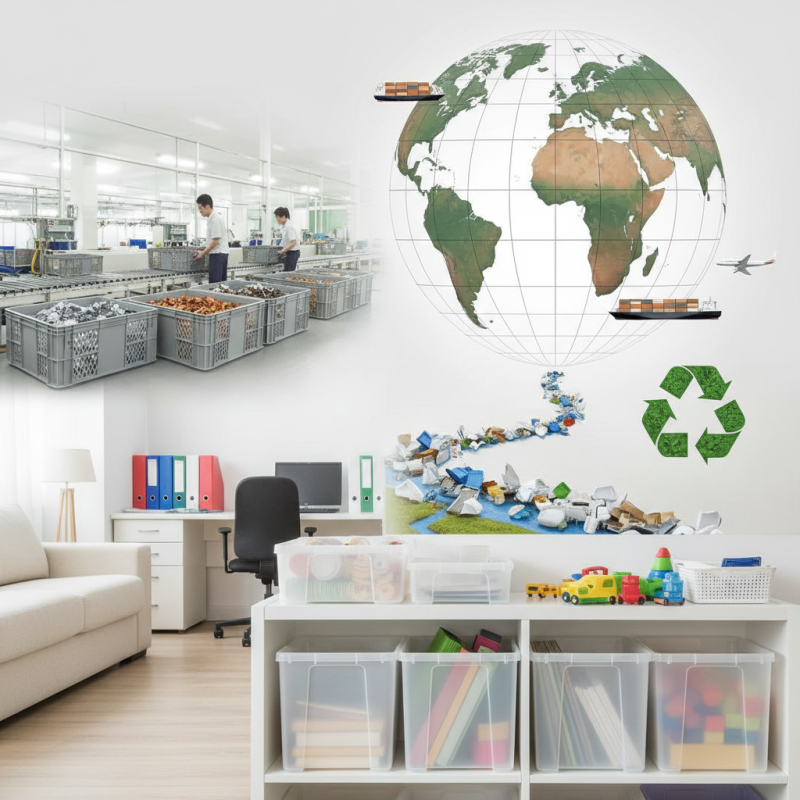
What is a Plastic Box and How is it Used Globally?
Plastic boxes are ubiquitous in our daily lives. They serve a multitude of functions across various industries. From storage to packaging, these containers play a crucial role.
Globally, plastic boxes are used in homes, offices, and factories. They are durable, lightweight, and flexible. This versatility contributes to their wide adoption. However, there are concerns about their environmental impact. Single-use plastic boxes contribute to pollution. Reflecting on our reliance on them is essential.
The design and functionality of plastic boxes continue to evolve. Innovative solutions, like recycling initiatives, are being developed. Yet, the challenge remains. How do we balance convenience with sustainability? Exploring these questions helps us understand the global role of plastic boxes.
Definition and Characteristics of Plastic Boxes
Plastic boxes are versatile storage solutions found in various sectors worldwide. These containers may vary in size, shape, and color, catering to specific needs. Commonly made from polyethylene, polypropylene, or PVC, they are lightweight yet durable. According to reports from the Plastic Industry Association, the global plastic packaging market is expected to reach $400 billion by 2025, emphasizing the importance of plastic materials in modern storage solutions.
One key characteristic of plastic boxes is their resistance to moisture and chemicals. This makes them ideal for industries such as pharmaceuticals or food storage. Interestingly, the capacity for recycling varies significantly across different types of plastics, and many consumers overlook this aspect. Thus, awareness and education about proper disposal methods are crucial in promoting sustainability.
Tip: When selecting a plastic box, consider its intended use. Look for products labeled as BPA-free if using them for food storage.
Additionally, the customization options for plastic boxes are abundant, from clear containers for visibility to stackable designs for space-saving. However, the reliance on plastic has raised concerns about environmental impact. Finding a balance between convenience and sustainability is an ongoing challenge in the industry.
Tip: Always default to reuse and recycling. Exploring options like jars or bins may be a sustainable alternative to single-use plastic boxes.
Global Plastic Box Usage by Region (2023)
This chart illustrates the usage of plastic boxes across different regions of the world in 2023. It highlights that the Asia-Pacific region accounts for the highest usage, followed by North America and Europe.
Different Types of Plastic Boxes and Their Uses
Plastic boxes come in various types, serving different purposes across the globe. One common type is the storage box. These boxes are used to organize household items. They come in multiple sizes, making them suitable for anything from toys to important documents. Their stackable nature helps maximize storage space.
Another popular type is the food container. These are designed to keep food fresh and free from contamination. Many are microwave-safe and dishwasher-friendly. This versatility allows for easy meal prep and storage. However, it is crucial to consider the material used. Not all plastic containers are suitable for hot foods or liquids.
Finally, there are specialized plastic boxes. These include packaging for products and industrial use. They are designed to meet specific needs, like durability and safety. Yet, improper disposal of these products can lead to environmental issues. Thoughtful usage and recycling can mitigate this impact. Overall, the plastic box is a multifaceted tool. Its applications are vast, and its design continues to evolve.
What is a Plastic Box and How is it Used Globally? - Different Types of Plastic Boxes and Their Uses
| Type of Plastic Box | Material | Common Uses | Environmental Impact |
| Storage Box | Polypropylene (PP) | Household storage, moving, organizing | Recyclable, impact on landfill when discarded |
| Food Container | Polyethylene (PE) | Food storage, takeout packaging | Recyclable, but can lead to microplastics |
| Transport Box | High-Density Polyethylene (HDPE) | Shipping, logistical operations | Durable, potential for reuse |
| Cosmetic Box | Acrylic, Polycarbonate | Makeup storage, vanity organization | Long-lasting, recycling options available |
| Electric Components Box | Polyvinyl Chloride (PVC) | Housing for electronics, safety enclosures | Not easily recyclable, requires responsible disposal |
Global Applications of Plastic Boxes in Various Industries
Plastic boxes serve diverse roles in many industries around the world. In food packaging, they offer durability and safety. Restaurants use them for storing ingredients and takeout meals. Affordable and lightweight, plastic boxes help reduce food waste, but their environmental impact raises concerns. The challenge lies in finding sustainable options without compromising efficiency.
In the medical field, plastic boxes ensure safe transport of supplies. They protect medications and surgical instruments from contamination. Hospitals rely on these boxes for organization and safety. However, the reliance on plastic creates waste issues that must be addressed. Innovations in biodegradable materials could be a promising solution, yet further research is necessary.
Electrical components also depend on plastic boxes for protection. They safeguard sensitive devices from damage. Manufacturers appreciate their versatility, but quality control remains a concern. High standards must be maintained throughout production. As industries continue to innovate, addressing plastic waste and exploring alternatives will be essential for sustainability.
Environmental Impact and Recycling of Plastic Boxes
Plastic boxes are ubiquitous in our daily lives. They are lightweight and durable, making them suitable for storage and transport. However, the environmental impact of plastic boxes is a growing concern. While they offer convenience, their production and disposal can lead to significant ecological issues.
Plastic boxes contribute to waste in landfills. Many are not recycled properly. This results in persistent pollution in our environments. Marine life is especially affected. Animals often mistake plastic for food, leading to ingestion and death. Furthermore, plastics can break into microplastics, which contaminate water sources and enter the food chain.
The recycling of plastic boxes is essential. However, many consumers remain unaware of proper recycling methods. Some regions lack adequate facilities. This highlights a need for better education on recycling practices. Encouraging the use of biodegradable alternatives may also help reduce reliance on plastic. While plastic boxes serve practical purposes, it’s vital to reflect on their environmental footprint and seek sustainable solutions.
Future Trends in Plastic Box Manufacturing and Usage
The global plastic box manufacturing sector is evolving. With the rapid growth of e-commerce and logistics, demand for durable packaging solutions is surging. According to industry reports, the plastic storage box market is projected to reach USD 36 billion by 2025, growing at a rate of 8% annually. This growth reflects the increasing usage of plastic boxes in various sectors, including retail, pharmaceuticals, and food services.
Sustainability is a key focus. Manufacturers are now exploring biodegradable and recycled materials. Innovations in production processes aim to reduce waste and energy consumption. The shift towards circular economies is notably reflected in recent studies, indicating a 20% increase in the adoption of recyclable plastics in packaging by 2023. This raises questions about the effectiveness and scalability of sustainable practices in the plastic industry, creating a challenge for manufacturers to balance profit and environmental responsibility.
Consumer awareness also impacts market trends. People are increasingly seeking eco-friendly alternatives. However, many still prefer traditional plastic boxes for their durability and versatility. This dichotomy highlights a need for brands to rethink their strategies. The future direction of plastic box manufacturing will likely hinge on both technological advancements and consumer preferences. Addressing these complexities will be crucial for the industry’s evolution.