Top Print Inspection Techniques for Quality Control in Printing?
In the printing industry, maintaining quality is paramount. Print Inspection plays a critical role in ensuring that every printed piece meets established standards. According to recent reports, nearly 20% of printed materials fail to meet quality benchmarks due to defects like color mismatch, smudging, or misalignment. Such failures can lead to significant financial losses and damage to brand reputation.
Innovative print inspection techniques have emerged as valuable tools for quality control. Technologies such as inline scanning and digital image analysis allow for real-time detection of errors. A survey indicated that companies employing advanced print inspection solutions have seen a reduction in waste by up to 30%. However, some companies still rely on manual checks, which can be prone to human error and inefficiency.
Despite advancements, the industry faces challenges. Some inspection methods cannot catch all defects, leading to inconsistencies in production. This highlights the importance of continuous improvement and adaptation of inspection practices. Businesses that prioritize an effective print inspection strategy are more likely to succeed in today's competitive market.
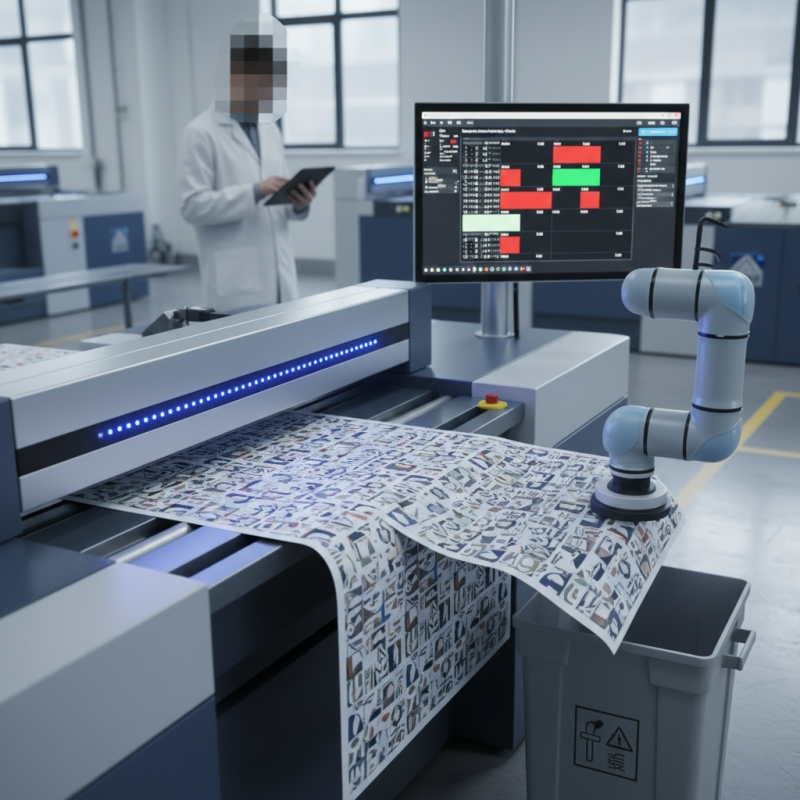
Overview of Print Inspection Techniques in Quality Control
In the printing industry, quality control is essential. Effective print inspection techniques help maintain high standards. These techniques can identify defects early in the process. Visual inspection remains a vital method, relying on the human eye. Operators check for color accuracy and clarity. However, relying solely on this method may lead to oversight. Fatigue can impair judgment after long hours.
Another technique involves automated systems. These systems use cameras and sensors to detect flaws. They can recognize deviations in color and alignment quickly. Automation helps reduce human error but can be limited. Not all systems adapt well to different print jobs. Proper calibration is necessary to achieve accuracy.
Additionally, sampling is a common practice. Inspecting a small batch of prints can reveal larger issues. However, this approach may miss intermittent defects. A more comprehensive testing strategy would provide clearer insights. Embracing both manual and automated methods might be the best way. Quality control in printing is constantly evolving, requiring ongoing reflection and adjustment.
Importance of Quality Control in the Printing Industry
Quality control in the printing industry is crucial. It ensures that printed materials meet specific standards. Defects in print quality can lead to significant losses. Customers expect high-quality products. Poor quality can damage a business's reputation.
One key aspect of quality control is the inspection of printed materials. Techniques like visual inspection and automated systems help identify issues. Spotting a tiny error early can save time and resources. However, sometimes these techniques miss critical flaws. Workers may become complacent. Regular training and fresh perspectives are vital.
Another important factor is consistency. Each print run must maintain the same quality level. Variability can lead to customer dissatisfaction. This task is challenging, particularly with different machines and materials. Frequent checks and adjustments are necessary. It’s an ongoing effort, not a one-time solution. Embracing feedback and continuous improvement can enhance quality. The journey towards perfection is constant and requires dedication.
Common Challenges in Print Inspection Processes
Print inspection processes face many challenges. These hurdles can compromise the quality of printed materials and lead to significant waste. A report indicates that 30% of printing companies encounter issues related to print defects, impacting their overall productivity.
One major problem is the detection of subtle defects. Many printing faults, such as color inconsistencies, are hard to spot. Automated systems help, but they are not foolproof. Human inspectors still play a crucial role. They can identify defects that machines may overlook. Yet, relying solely on manual inspection can be time-consuming.
Tips: Employ a mix of automated and manual inspection. Regular training for staff improves defect detection skills. Use high-resolution cameras to capture details.
Another challenge is maintaining consistency across print runs. Variability in materials can cause differences in print quality. Even slight changes in ink viscosity can create issues. Data from studies show that 28% of printing errors arise from material inconsistencies. Regular calibration of equipment is essential to minimize these effects.
Tips: Monitor environmental conditions. Humidity and temperature can influence print quality. Establish a routine check for materials used in printing.
Ultimately, a well-structured inspection process is crucial. Emphasizing thorough training and proper equipment calibration can help address these common challenges in print inspection.
Advanced Technologies for Print Inspection
Advanced print inspection technologies have transformed quality control in the printing industry. With the rise of high-speed printing, traditional inspection methods often fall short. Automated solutions help catch defects swiftly. Cameras and sensors scan prints for errors like smudges and color inconsistencies.
AI-driven software plays a vital role too. It learns from past defects, making inspections smarter over time. However, it is not perfect. Sometimes, it misses subtle issues. Human oversight remains crucial. Relying solely on technology could overlook unique errors that require a human touch.
Another emerging technique is real-time monitoring. This allows operators to detect problems as they occur. But the complexity of these systems can lead to confusion. Operators may feel overwhelmed by the data. Nevertheless, the potential for improved quality is significant. The balance between technology and human skill is essential in achieving optimal results in print quality control.
Top Print Inspection Techniques for Quality Control in Printing
| Inspection Technique | Description | Benefits | Challenges |
| Visual Inspection | Manual checking of printed materials for defects. | Low cost, immediate results. | Subjective results, time-consuming. |
| Automated Vision Systems | Use of cameras and software to detect defects. | High accuracy, real-time results. | High initial setup cost, maintenance required. |
| Color Measurement Tools | Devices that measure color consistency throughout a print run. | Ensures brand color consistency, quantitative data. | Calibration needed, can be complex to use. |
| X-ray Inspection | Non-destructive testing to identify internal defects. | Sees what others can't, highly accurate. | Expensive, safety concerns. |
| Digital Print Analysis | Evaluating digital prints for clarity and color correctness. | Immediate feedback, versatile. | Dependent on software, requires training. |
Best Practices for Implementing Print Inspection Techniques
Print inspection is crucial for maintaining quality in the printing industry. Implementing effective techniques can minimize errors and enhance efficiency. A recent report indicates that 30% of printing defects occur after the printing process begins. Detecting these issues early is vital. Techniques like automated inspection systems can help. These systems analyze print quality in real time, ensuring consistent results.
Quality control often faces challenges. Manual inspections can lead to oversight. An industry survey showed that 25% of companies rely solely on manual checks. This method not only slows down production but increases error rates. Integrating automated solutions can address these concerns. By leveraging technology, businesses can reduce the potential for human error and improve overall productivity.
Adopting best practices is essential. Regular training for staff on inspection processes can enhance their skills. Collaboration between departments also plays a key role in quality assurance. Yet, many companies overlook this aspect. Continuous communication can lead to better results. Investing in print inspection techniques is not just about technology; it's about creating a culture of quality.