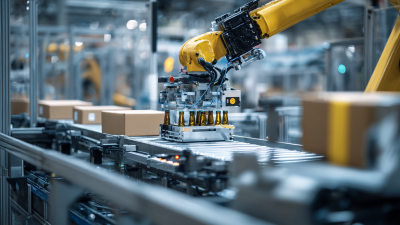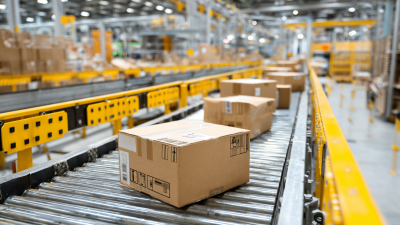
ProMach is your partner from start to finish. Our product brands are grouped into distinct business lines that make the most sense to our customers, covering every function of the production line: Filling, Bottling & Capping, Decorative Labeling, Flexibles & Trays, Pharma, Handling & Sterilizing, Labeling & Coding, Robotics & End of Line, and Systems & Integration.
learn moreThe landscape of packaging technology is changing rapidly. As we approach 2026, the evolution of Form Fill And Seal Machines stands out significantly. These machines are crucial in various industries, enhancing packaging efficiency. They seamlessly fill and seal products, minimizing waste and maximizing productivity.
Industry experts predict advancements in automation and smart technology will define these machines in the next few years. The focus will be on increasing speed and improving reliability. However, challenges exist. Companies must invest wisely in technology that aligns with market needs. An overreliance on automation could lead to job losses, sparking debates about workforce stability.
Innovation isn't just about speed; it’s about sustainability too. Brands are increasingly looking for eco-friendly options. This shift emphasizes the need for machines that adapt to biodegradable materials. Yet, not every feature on the market proves beneficial. Companies might spend resources on trendy technology that doesn’t enhance their operations. Understanding the core needs of their processes remains essential for success.
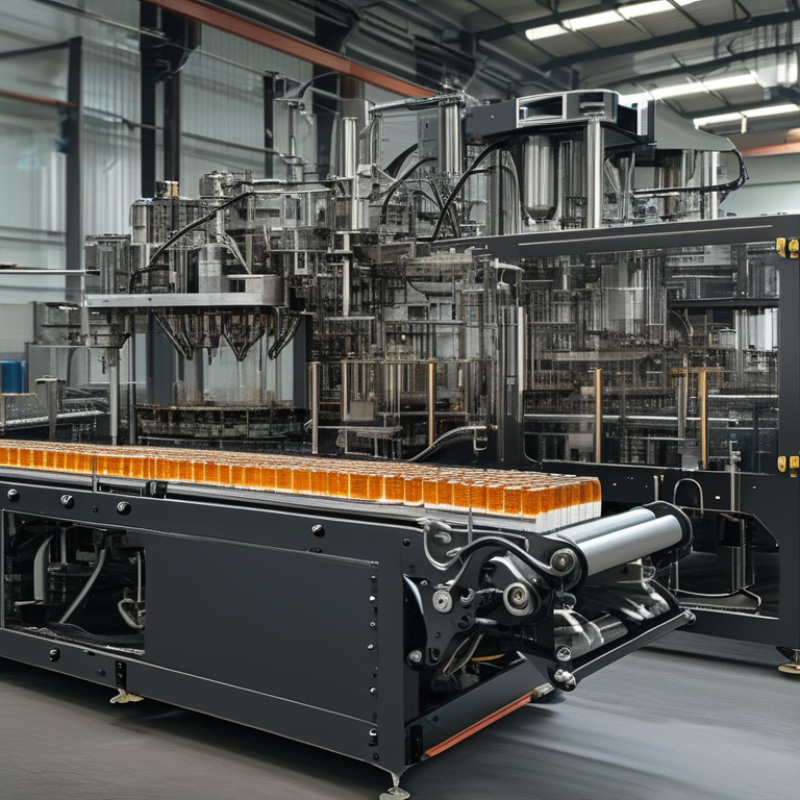
As we look ahead to 2026, the form fill and seal machine industry is set to witness significant technological advancements. Automation continues to be a primary focus. Increased use of sensors and AI will improve efficiency. This allows for real-time monitoring of production processes. With smarter machines, companies can expect reduced downtime and enhanced production accuracy.
Sustainability also stands out as a pivotal trend. Eco-friendly packaging solutions are gaining traction. As businesses become more environmentally conscious, machines that use less energy and bring down waste will be in demand. Innovations in biodegradable materials will likely influence design and functionality. Companies may need to rethink their packaging strategies to stay relevant.
However, challenges remain. Adopting new technologies requires investment and training. Smaller manufacturers may find it difficult to keep pace. Transitioning to advanced machinery isn't always straightforward. There are often integration issues with existing systems. As the industry evolves, addressing these hurdles will be crucial for sustained growth. In an accelerated landscape, companies must remain adaptable to thrive.
The form fill and seal machine market is poised for substantial growth by 2026. Industry analysts project an increase in demand driven by various factors. The rise in packaged food consumption contributes significantly. The convenience of ready-to-eat meals is becoming a lifestyle choice for many consumers. These machines offer efficiency, cost savings, and automation.
Statistical forecasts indicate a potential market expansion of around 7% annually. This growth reflects advancements in technology and innovative packing solutions. However, businesses must adapt and invest wisely. Balancing quality and speed remains a challenge. Companies that overlook this may fall behind their competitors.
Sustainability is also gaining traction in this sector. As eco-consciousness grows, the industry will likely see a shift towards biodegradable materials. Manufacturers face the pressing need to innovate. Aligning with these new consumer preferences is critical. The trajectory of this market hinges on companies embracing change while addressing these evolving demands.
The form fill and seal machinery industry is experiencing a notable shift towards sustainability. Manufacturers are increasingly aware of their environmental impact. In 2026, adopting eco-friendly practices will become essential. This trend includes using recyclable materials and optimizing energy consumption.
Scheduled maintenance can significantly enhance machine efficiency. Regular checks not only extend machine life but also ensure minimal waste. Implementing energy-efficient motors and drives can make a major difference in energy use. These practices directly contribute to a more sustainable production process.
Another area of focus is the reduction of plastic waste. The use of biodegradable films is gaining traction. These materials can provide the same quality as traditional options while being more environmentally friendly. It’s a challenge for companies to balance performance with sustainability. They need to invest time in research and development.
Consider retraining staff on sustainable practices. Empowering your team can lead to innovation. Encourage collaboration on projects aimed at reducing waste. Every small step counts in the journey towards sustainability in the form fill and seal machinery sector.
The form fill and seal industry is experiencing transformative shifts. Key players focus on automation and sustainability. Innovations in machinery are essential. They address rising consumer demands for efficiency and eco-friendliness. The integration of AI in machinery is a notable trend. It enhances the precision of filling and sealing processes.
Emerging technologies improve the production line. They allow for better quality control and faster output. However, not all innovations yield immediate benefits. The learning curve associated with new technologies can impact workflow initially. Companies must balance the adoption of advanced machinery with proper training for their workforce.
Sustainability remains a central theme. Many companies are seeking biodegradable materials in packaging. This shift requires extensive research and adaptation. The industry faces challenges in sourcing eco-friendly materials. Additionally, companies must maintain cost-effectiveness while pursuing sustainable practices. Adjusting to these changes demands flexibility and ongoing evaluation of business strategies.
The landscape of form fill and seal machines is evolving rapidly, driven by changes in consumer demand. In 2026, it’s crucial to design machines that cater to sustainability while maintaining efficiency. Many consumers now prefer packaging that is environmentally friendly. This shift encourages manufacturers to innovate in materials and processes, reducing plastic waste. Some options could include biodegradable films or recyclable components.
User experience is also influencing machine functionality. Fast and precise filling is no longer just a requirement; it’s an expectation. Machines must adapt to various product types, from liquids to granulars, without compromising speed. This adaptability is key to meeting diverse consumer needs. However, achieving this flexibility presents challenges. Balancing speed with accuracy can be difficult for many manufacturers.
Moreover, there’s a growing trend towards automation and smart technology. Integrating IoT features can help track production metrics in real-time. It provides valuable insights into consumer preferences. Yet, some companies may struggle with implementation. A complete overhaul of systems can be daunting and costly. Continuous reflection on these trends is vital for staying competitive in the market.
| Trend | Description | Impact on Design | Expected Adoption Rate (%) |
|---|---|---|---|
| Sustainable Materials | Increasing use of eco-friendly packaging materials. | Design focused on recyclability and compostability. | 75% |
| Smart Technology Integration | Use of IoT for real-time data monitoring and machine efficiency. | Need for advanced sensors and connectivity features. | 80% |
| Customization | Ability to customize packaging sizes and designs on demand. | Flexible machine designs capable of quick changes. | 70% |
| Enhanced Automation | Greater reliance on automation to reduce labor costs. | Machines with advanced robotics for better efficiency. | 85% |
| Multi-functionality | Machines capable of filling, sealing, and labeling. | Compact designs to save space while increasing capabilities. | 65% |