Top 10 Nonwoven Laminating Machines You Need to Know?
The nonwoven laminating machine is a crucial asset in various industries, ranging from textiles to medical supplies. According to a recent report by Smithers Pira, the global nonwoven market is projected to reach $50 billion by 2025, driven by increased demand for disposable and durable products. This growth emphasizes the importance of efficient manufacturing processes, where laminating plays a pivotal role.
In recent years, technological advancements have transformed nonwoven laminating machines. New capabilities allow for better fusion between layers, enhancing product performance. Yet, many manufacturers still face challenges in optimizing their laminating processes. For instance, achieving the perfect balance between speed and quality can be daunting. Many machines struggle with consistency, leading to material waste and increased costs.
As you explore the top 10 nonwoven laminating machines, consider how each option meets specific industry needs. Efficiency and reliability should be at the forefront of your decision-making. However, remember that not every machine will suit your production goals seamlessly. A careful assessment is essential for making the right choice.
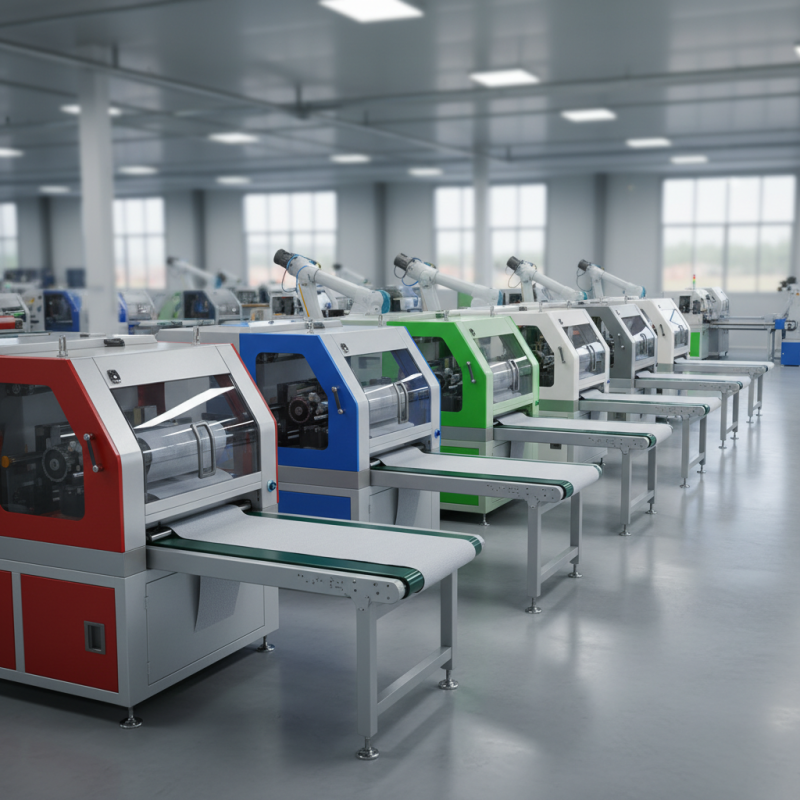
Overview of Nonwoven Laminating Machines
Nonwoven laminating machines play a crucial role in various industries, particularly in the production of durable and versatile materials. These machines bond nonwoven fabrics with different substrates, creating products that are both functional and aesthetically pleasing. According to recent industry reports, the global market for nonwoven laminating machines is projected to reach $3.5 billion by 2027, highlighting the growing significance of these machines.
The versatility of nonwoven laminating machines allows them to cater to diverse applications, from medical textiles to automotive interiors. For instance, they are essential in manufacturing filtration media, hygiene products, and insulation materials. However, the complexity of these machines can lead to operational challenges. Fluctuating raw material prices and technological advancements pose questions regarding efficiency and sustainability.
Moreover, maintenance is often overlooked in production facilities. Regular upkeep is essential to prevent downtime and ensure quality output. Inadequately maintained machines may lead to production inconsistencies. As industries continue to evolve, it is important for manufacturers to stay informed about the latest innovations and understand the potential limitations of their equipment.
Key Features to Consider in Nonwoven Laminating Machines
When choosing nonwoven laminating machines, several key features are crucial. Efficiency is paramount. Look for machines that offer high speed and precise control. These features help optimize production workflows. A user-friendly interface also simplifies operation. It reduces errors and training time, making it ideal for various users.
Material compatibility is another important aspect. Ensure the machine can handle different nonwoven materials. This flexibility allows for diverse product outputs. Consider the lamination technology as well. Some machines offer hot-melt, while others use solvent-based systems. Each has its benefits and drawbacks.
Energy consumption is often an overlooked factor. Machines that consume less energy can lower operational costs. However, ensure that efficiency doesn’t compromise performance quality. It's crucial to find a balance. Furthermore, maintenance needs should not be ignored. A machine that is difficult to maintain can lead to longer downtimes. Ultimately, making a well-informed choice is essential in this competitive market.
Top 10 Nonwoven Laminating Machines in the Market
When it comes to nonwoven laminating machines, several options stand out in the market. These machines have diverse applications in various industries. They are essential for producing high-quality laminated nonwoven fabrics. The efficiency of these machines varies greatly. Some excel in speed, while others focus on precision. This can impact production quality significantly.
One type of machine uses heat to bond layers, promoting strong adhesion. Another might utilize adhesive technologies for flexible applications. However, finding the perfect match for your production needs can be challenging. It's crucial to consider not only the type of laminate but also the material compatibility. Each machine has its strengths and limitations. Understanding these factors can be key to maximizing productivity.
Users often express frustrations with setup processes. Some machines require intricate calibrations for optimal functionality. While features may seem appealing, operational complexity can be a hurdle. Maintenance is another area needing attention. Regular upkeep ensures machines operate at peak efficiency. Overlooking this can lead to costly downtimes. Balancing features, ease of use, and maintenance is vital for success in this field.
Applications and Industries Utilizing Nonwoven Laminating Technology
Nonwoven laminating technology plays a crucial role in various applications. It is widely used in sectors like healthcare, construction, and automotive. In healthcare, nonwoven materials offer a barrier against liquids and contaminants, making them essential for protective garments. The construction industry benefits from durable, lightweight materials that provide insulation and moisture control.
Tips: Always consider the end-use of your product. This can impact the type of nonwoven material you should choose. Test different laminating methods to find the best fit for your project.
In automotive applications, nonwoven laminates offer noise reduction and thermal insulation. These materials are lightweight, improving overall vehicle efficiency. In packaging, they provide a robust solution for sustainable and eco-friendly options. The versatility of nonwoven laminating technology allows it to adapt to different needs.
Tips: Stay updated on industry trends. This can help you make informed decisions. Seek feedback from users to improve your product development.
As industries evolve, so do the requirements for nonwoven laminates. Understanding these applications ensures better choices are made. This can lead to innovative solutions that address both functionality and sustainability.
Future Trends in Nonwoven Laminating Machine Development
The future of nonwoven laminating machines is evolving rapidly. Key trends highlight sustainability and efficiency. Manufacturers focus on eco-friendly materials to reduce waste. This shift aligns with global demands for greener production processes. Automation is another critical aspect. Machines are becoming smarter, with AI capabilities enhancing performance and reducing labor costs.
Tips: Look for machines that offer energy-efficient designs. They are not only better for the environment but can also cut operating costs. Regular maintenance is crucial. A well-maintained machine can yield better output quality and longevity.
Innovation in technology does bring challenges. Not all new features are user-friendly. Training is essential to maximize the benefits of advanced systems. Some manufacturers may overlook the human element in machine operation. Adapting to new functions can be daunting for staff. Clear communication during transitions is vital.
Top 10 Nonwoven Laminating Machines - Performance Comparison