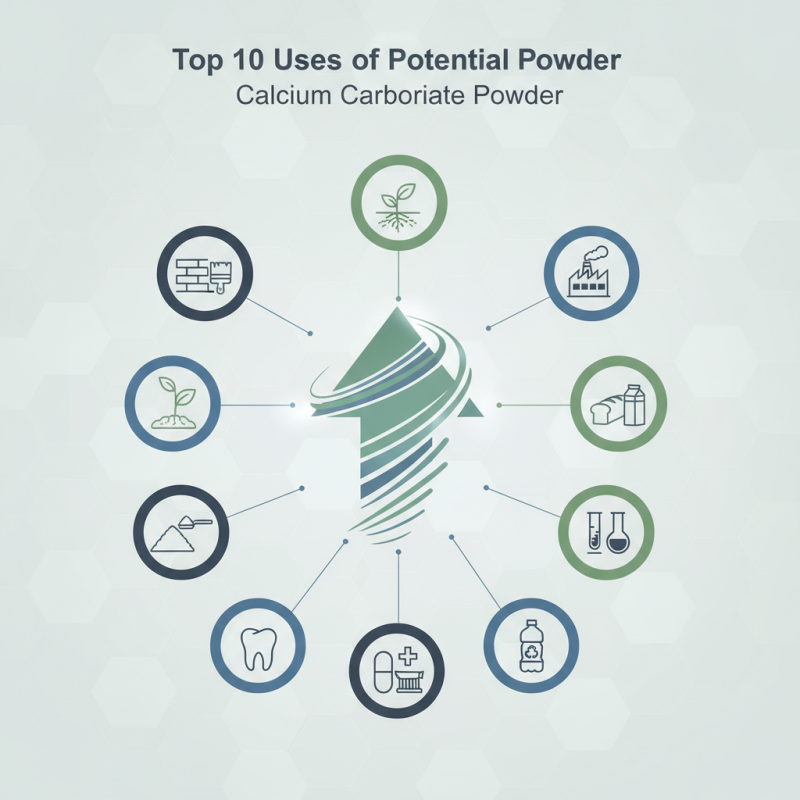
Top 10 Uses of Calcium Carbonate Powder You Should Know?
calcium carbonate powder is a versatile material with numerous applications. Many people may not realize its potential. This powder, primarily sourced from limestone, finds use in various industries. It plays a critical role in construction, agriculture, and even food production.
In construction, calcium carbonate powder is essential. It acts as a filler in paints, sealants, and adhesives. This enhances the durability and aesthetic appeal of these products. The agricultural sector values it for its role in improving soil quality. It helps plants absorb nutrients better, which is crucial for crop yield.
However, not everyone knows how to utilize calcium carbonate powder effectively. Some may overlook its benefits or misuse it in their projects. Understanding the top uses of this powder can optimize its benefits. By exploring these applications, we discover its true potential and realize its importance in our daily lives.
Top Uses of Calcium Carbonate Powder in Various Industries
Calcium carbonate powder plays a pivotal role across various industries. In the construction sector, it serves as a key ingredient in cement and concrete products. This usage enhances durability while keeping costs low. However, the challenge lies in sourcing high-quality carbonate to avoid structural compromises.
In the paper industry, calcium carbonate is utilized as a filler, improving brightness and opacity. It creates smoother paper surfaces. The risk here is balancing cost and quality. If not careful, manufacturers may need to deal with poor print quality.
The food industry also relies on calcium carbonate as a dietary supplement. It is used to fortify products with calcium. Yet, too much can lead to health issues. Proper dosage is crucial for consumer safety. Each application must consider these factors carefully. Overall, understanding the diverse uses of calcium carbonate is essential for industry professionals.
Calcium Carbonate Powder in Food and Beverage Applications
Calcium carbonate powder plays a significant role in the food and beverage industry. It is commonly used as a food additive. This compound serves several functions, such as acting as a leavening agent. It helps baked goods rise and creates a light texture. Often, it is added to products like bread and pastries.
In beverages, calcium carbonate improves taste and stability. For example, it can be found in mineral waters. It gives a slight effervescence, enhancing the drinking experience. Moreover, it provides essential calcium, beneficial for bone health. Yet, consumers sometimes overlook this key ingredient. It’s crucial to be mindful of dietary choices and listen to body needs.
However, the application of calcium carbonate is not without challenges. Some people may have sensitivities or allergies. This might lead to digestive issues or discomfort. Therefore, it is essential to be cautious. Understanding individual reactions to food additives is important. Adjusting diets based on personal responses can lead to better health outcomes.
Top 10 Uses of Calcium Carbonate Powder in Food and Beverage Applications
| Use | Description | Benefits |
| Food Additive | Used as a calcium fortifier in various food products. | Enhances nutritional value by adding calcium. |
| pH Regulator | Helps maintain the acidity levels in beverages. | Improves flavor stability and shelf life. |
| Thickening Agent | Used to improve the texture of sauces and dressings. | Provides a desirable consistency. |
| Calcium Source in Fortified Drinks | Added to juices and dairy alternatives for calcium enrichment. | Supports bone health and dietary needs. |
| Anti-Caking Agent | Prevents clumping in powdered foods. | Ensures smooth mixing and application. |
| Color Additive | Used in coloring agents for food products. | Enhances visual appeal of food items. |
| Flavor Enhancer | Used in recipes to improve overall flavor profiles. | Balances sweetness and acidity. |
| Stabilizer in Dairy Products | Added to milk and yogurt to enhance stability. | Prevents separation and enhances texture. |
| Nutritional Supplements | Used in dietary supplements for calcium delivery. | Supports overall health and wellness. |
Role of Calcium Carbonate Powder in Construction Materials
Calcium carbonate powder plays a significant role in construction materials. Its versatility makes it a popular choice for various applications. In concrete, it acts as a filler, enhancing the strength and durability of the mix. Many builders use it to reduce costs while improving material properties. However, the quality of calcium carbonate can vary widely. This inconsistency may affect the final product in unexpected ways.
Additionally, calcium carbonate is used in asphalt. Its ability to improve workability is well-recognized. However, excessive use can lead to brittleness and cracking. Contractors must balance its benefits against potential drawbacks. Many do not realize the significance of particle size in influencing performance. Smaller particles may enhance certain properties but can also lead to issues like segregation.
In the manufacturing of bricks, calcium carbonate can provide better insulation and strength. The thermal properties it offers are noteworthy. Yet, not every type of calcium carbonate is suitable for this purpose. Builders need to be vigilant in sourcing high-quality materials. This oversight can impact the longevity of structures, often leaving them vulnerable to environmental stresses.
Calcium Carbonate Powder as a Nutritional Supplement
Calcium carbonate powder is widely recognized as an essential dietary supplement. It is a rich source of calcium, an important mineral for maintaining strong bones and teeth. According to the National Institutes of Health, calcium intake is crucial for overall health, particularly for women and older adults. Many people do not get enough calcium from their diets alone. This creates a significant need for supplementation.
When considering calcium carbonate powder, dosage is key. The recommended daily intake varies based on age and gender. Adults generally need about 1,000 mg to 1,200 mg of calcium per day. However, over-supplementation can lead to health issues, including kidney stones or digestive discomfort. It’s essential to consult with a healthcare provider before starting any new supplement routine.
Tips: Always check for a reputable source of calcium carbonate. Look for purity and avoid contaminants. Remember, balance is essential. While calcium is vital, it must be paired with magnesium and vitamin D for optimal absorption. Regularly reassess your dietary needs as they may change with age or lifestyle.
Environmental Applications of Calcium Carbonate Powder in Water Treatment
Calcium carbonate powder is a versatile material with numerous environmental applications, especially in water treatment. It plays a critical role in managing water quality. By acting as a neutralizer, it can effectively reduce acidity in water. This property is vital for maintaining healthy aquatic ecosystems.
In water treatment facilities, calcium carbonate can help remove contaminants. It binds with heavy metals, making it easier to filter them out. This process not only purifies the water but also enhances its safety for human consumption. Using calcium carbonate in water treatment can be a cost-effective solution. It is readily available and has low toxicity.
Tips for using calcium carbonate powder effectively include testing water quality frequently. Regular assessments help determine the right amount of powder to add. Overusing calcium carbonate might not yield better results and can cause imbalances. Balance is key in water treatment processes. Consider the specific needs of your water source before application.
Another crucial tip is to monitor the pH levels after treatment. Maintaining the ideal pH helps in achieving optimal water quality. If the pH remains unstable, adjustments might be necessary. This could indicate an underlying issue that needs attention. Always approach water treatment with a careful and informed strategy.