What Is a Corrugated Box Feeder Machine?
A Corrugated Box Feeder Machine moves flat or folded corrugated boxes into a packaging line with controlled speed and spacing. It supports stable feeding before filling, sealing, labeling, or case packing begins. In a typical plant, operators place a stack of blanks into the magazine. Belts, rollers, vacuum cups, or mechanical fingers then separate and transfer each box. The machine’s design depends on box size, board thickness, fold style, and production speed.
Reliable feeding is more than fast movement. A well-adjusted system reduces double feeds, skewed cartons, stoppages, and unnecessary operator intervention. Experienced technicians usually inspect suction strength, belt tension, sensor position, and guide-rail alignment during setup. Small errors matter. A carton corner can catch, bend, or enter the next machine at the wrong angle. These details often decide whether a line runs smoothly.
This guide explains the working principles, main components, applications, and selection factors of a Corrugated Box Feeder Machine. It also considers maintenance, safety practices, and realistic operating limits. Manufacturer manuals and on-site testing should guide final decisions. Performance can change with humidity, board quality, print coatings, and carton geometry. It is not a magic solution. Some lines still need manual adjustment, especially during product changes. That limitation deserves attention, because impressive speed ratings may not reflect everyday production conditions. A careful evaluation should compare actual carton samples, required throughput, changeover time, and available technical support before purchase.
What Is a Corrugated Box Feeder Machine?
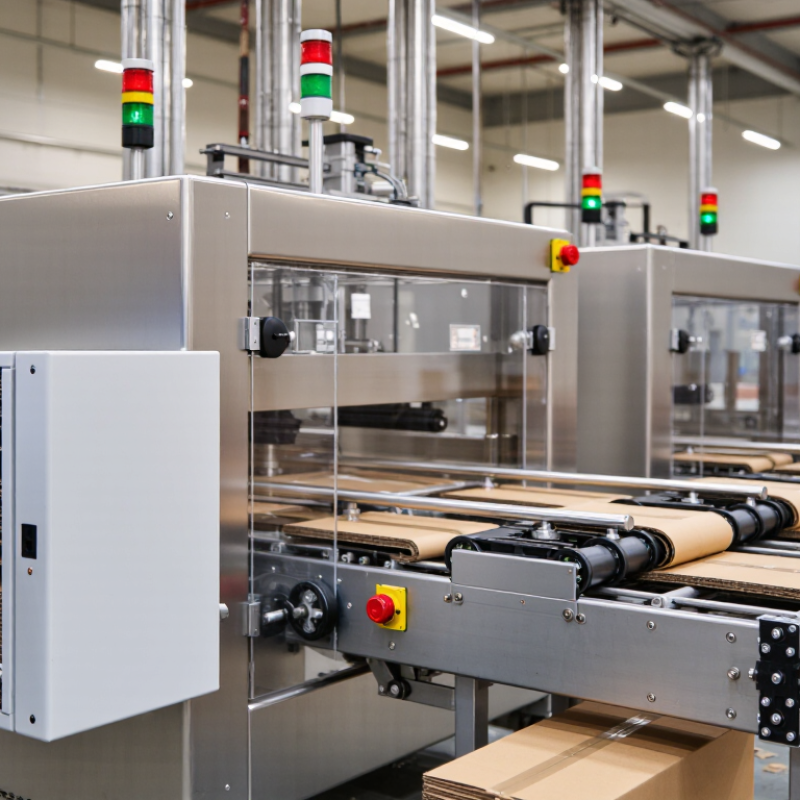
A corrugated box feeder machine separates and delivers flat box blanks into a production line. It supports printing, folding, gluing, and die-cutting operations. The machine usually uses suction belts, rollers, guides, and sensors. These parts move one blank at a time. A steady feed prevents double sheets, crooked blanks, and sudden production stops.
In daily operation, operators adjust the side guides, vacuum strength, and pile height. Board thickness and surface texture affect feeding performance. A dusty sheet can reduce suction and cause slipping. Excessive speed may create overlaps or missed blanks. Experienced operators inspect the first several sheets before maintaining full speed. They also check unusual sounds, worn belts, and loose guides. No feeder works perfectly in every condition. This is easy to underestimate.
Tips: Keep the blank pile even and dry. Clean suction holes and rollers during scheduled maintenance. Test several blanks after every adjustment. Record recurring jams, because small patterns often reveal larger setup problems. A feeder may appear simple, but reliable performance depends on careful calibration, suitable board quality, and consistent operator attention. Some settings require trial and reflection, especially when different carton sizes share one production line.
How a Corrugated Box Feeder Machine Works
What Is a Corrugated Box Feeder Machine?
How a Corrugated Box Feeder Machine Works
A corrugated box feeder machine separates flat carton blanks from a stacked pile. It then moves each blank into a folder, gluer, printer, or packaging line. The process looks simple, but steady feeding requires accurate timing and careful adjustment.
An operator loads the blanks onto a support table or magazine. Feed belts, rollers, or vacuum cups grip the top blank and pull it forward. Vacuum pressure must match the board’s thickness and surface texture. Too much force may mark the sheet. Too little force can cause slipping or double feeding.
Sensors check the blank’s position as it travels. If the sheet arrives late, the control system can slow the feeder or stop the line. Timing matters. Small misalignments matter. Guides keep the blank centered, while adjustable belts control its speed and spacing. A clean, level stack usually improves consistency.
In practice, the first setup is rarely perfect. An experienced operator checks belt pressure, sensor distance, and blank edges during a short test run. Dust can collect near rollers and reduce grip, so regular cleaning remains important. Warped board can still create feeding problems, even with careful settings. That limitation deserves attention during production planning.
What Is a Corrugated Box Feeder Machine?
A corrugated box feeder machine separates flat carton blanks, picks up one sheet at a time, and transfers it into the next converting or folding process. Board flute profile affects sheet thickness and stiffness, so feeder settings such as vacuum, pressure, and guide clearance must be adjusted accordingly.
The chart shows commonly used nominal corrugated board thicknesses. Actual caliper varies with paper grades, liner weight, moisture, and manufacturing tolerances.
Main Components of a Corrugated Box Feeder Machine
What Is a Corrugated Box Feeder Machine?
A corrugated box feeder machine separates flat carton blanks and sends them into the next production stage. It supports steady feeding for printing, folding, gluing, or die-cutting processes. The machine must handle different board thicknesses without damaging printed surfaces or folded edges.
The main component is the feed magazine, which holds a stack of flat blanks. Adjustable side guides keep the stack aligned during operation. A vacuum belt or feeding roller pulls one blank forward at a time. Suction strength matters because weak airflow causes missed feeds. Excessive suction can mark lightweight board. Small sensors detect blank position and help prevent double feeding.
This detail is easy to overlook.
A drive motor and transmission system control feeding speed and timing. Operators adjust these settings to match the connected machine. The control panel manages speed, sensor signals, and emergency stops. Some machines also include a waste-removal unit or collection tray for rejected blanks.
In daily production, clean rollers and properly adjusted guides often matter more than high speed. Dust can reduce grip. Alignment can drift after long operation.
No feeder is perfect, so regular checks remain necessary. A practical inspection should examine belts, rollers, sensors, air filters, and fasteners before each shift. These simple checks improve consistency and reduce unexpected downtime.
Key Benefits and Selection Considerations
What Is a Corrugated Box Feeder Machine?
Key Benefits and Selection Considerations
A corrugated box feeder machine supplies flat carton blanks to the next packaging stage. It separates stacked sheets, aligns them, and feeds them at a controlled pace. In a busy line, this steady movement reduces manual loading, spacing errors, and short production stops. It supports the process.
Its main benefit is consistent output. Operators may also reduce repetitive lifting and surface scuffing on printed cartons. However, speed should not be the only selection factor. Choose a machine based on blank dimensions, board thickness, flute type, stack height, and required output. Check whether your cartons are warped, coated, or loosely stacked. These details can affect performance more than a product sheet suggests. Adjustable guides, protected sensors, accessible controls, and easy maintenance points are important. Verify guarding and emergency-stop functions during evaluation. Request a practical trial using your actual carton blanks. That test matters. No feeder performs perfectly with every carton. Humidity and material variation may still create problems.
Tips: Measure your smallest and largest blanks before contacting suppliers. Record jams during a normal shift, not only during demonstrations. Confirm changeover time, noise, air requirements, and training needs. Keep common wear parts available. Do not ignore maintenance access. A fast feeder that takes hours to service can become costly. Review future capacity too; a compact machine may save floor space but restrict later expansion.