What Is the Best Type of Sachet Packaging Machine in 2026?

Choosing the best Sachet Packaging Machine in 2026 starts with the product, not the speed claim. A fine powder behaves differently from a sticky liquid. A small change in film thickness can affect sealing, waste, and daily output. The right machine must handle your actual product, target sachet size, and packaging material reliably. Faster is not always better.

For transparency, the quotation below is an original editorial line, not a verified statement from an external expert. In this introduction, packaging engineer Maya Chen serves as an illustrative expert voice: “A good sachet machine protects the dose, forms a dependable seal, and fits the rhythm of the line.” That is a useful test. Still, it leaves questions open. How often will operators change formats? Can the machine maintain accurate filling across a long shift? What happens when a seal needs adjustment?

This guide compares common machine types, including vertical form-fill-seal systems and solutions designed for specific products or sachet styles. It considers filling accuracy, sealing performance, changeover time, maintenance, and integration with existing equipment. These details matter on the factory floor: a clean seal, a steady film feed, and an accessible adjustment point can save hours. But no checklist replaces a product trial. Ask suppliers to run your material and share measurable results. The best choice may not be the most advanced model. It may be the one your team can operate consistently.
What Is the Best Type of Sachet Packaging Machine in 2026?

What Is a Sachet Packaging Machine?

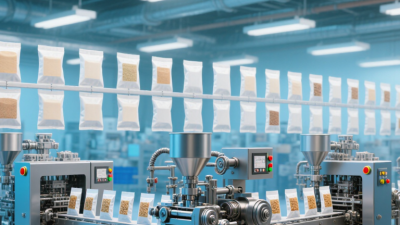
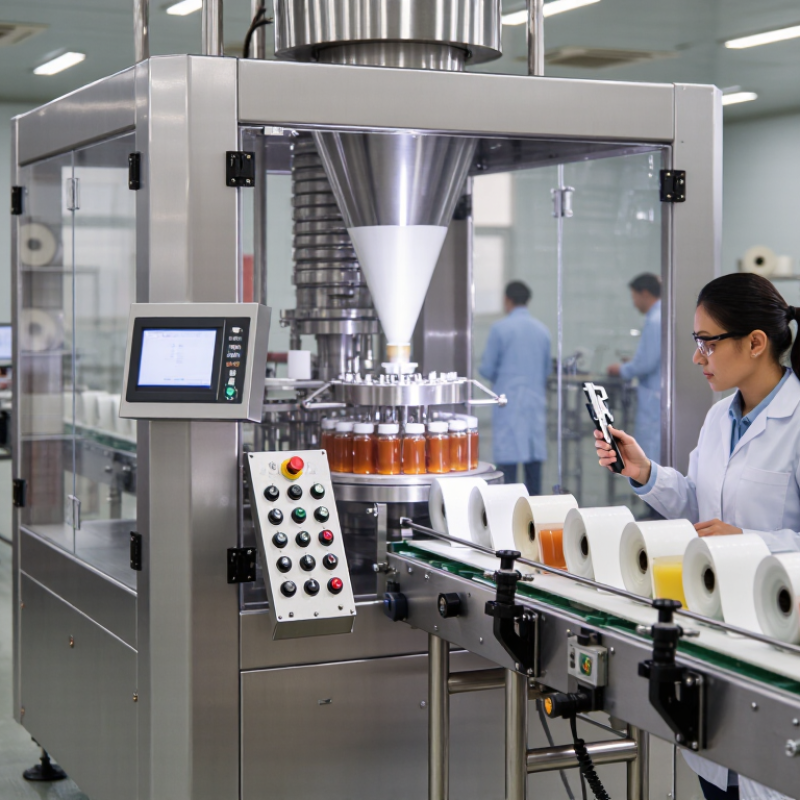
A sachet packaging machine forms, fills, and seals small flexible packs from a roll of packaging film or pre-made pouches. Depending on its filling system, it can handle powders, granules, liquids, or pastes. Picture a film web moving over rollers, folding into pockets, and receiving a measured dose. Small packs. A sealing station closes the edges, and a cutter separates the finished sachets.

Most machines bring together film handling, forming, dosing, sealing, cutting, and control systems. For powders, an auger or volumetric cup may measure each portion; liquids often need a pump.

Sensors can track printed marks and flag faults, but they cannot replace routine checks. Operators still need to inspect fill weights, seal integrity, and cleanliness. Details matter.

The right setup depends on sachet size, material, production speed, dose accuracy, and how the product flows. Free-flowing grains and sticky gels create different filling challenges. Film thickness, sealing temperature, and jaw pressure also affect pack quality. “Best” is not one universal machine type. Testing with the actual product and film can reveal practical issues, though a short trial may not show every maintenance need or changeover delay. Real lines can drift.

How Does a Sachet Packaging Machine Form, Fill, and Seal Packs?

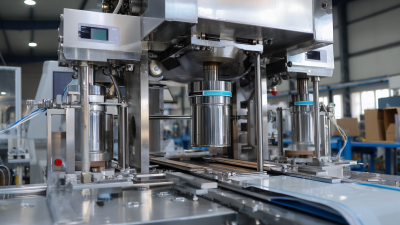
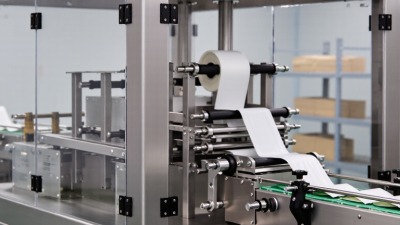
A vertical form-fill-seal sachet machine starts with a roll of flexible film. Tension rollers guide the web through a forming collar, which folds it into a tube. A heated bar makes the lengthwise seal. Then a dosing system—such as an auger for powder or a piston for liquid—delivers a measured portion. The lower jaw closes, the product drops into the forming pack, and the upper jaw seals and cuts it. Small details matter. Film tension, seal temperature, and jaw pressure all affect pack quality; a setting that works for one laminate may fail with another. The real line is messier than a diagram.

After startup, operators check fill weights and inspect seals for wrinkles, product trapped in the seam, or leaks. These checks connect the machine’s mechanics to real production. Grand View Research valued the global flexible packaging market at USD 268.9 billion in 2023 and forecasts 4.8% annual growth through 2030, reflecting broad demand for flexible formats. FAO’s 2023 report estimated that 13.2% of food was lost between harvest and retail in 2021. Sachets are not a complete answer to food loss, but accurate portioning and reliable seals can help protect contents. A useful caution: faster output is not better if rejects rise. Test the actual film and product, then verify performance under routine operating conditions.

What Are the Main Types of Sachet Packaging Machines?

What Is the Best Type of Sachet Packaging Machine in 2026?

What Are the Main Types of Sachet Packaging Machines?

Sachet machines mainly differ in how they form and fill each pack. Vertical form-fill-seal machines create sachets from a roll of packaging film, then fill and seal them. Depending on the tooling, they can produce three-side or four-side seal sachets. Stick-pack machines make narrow, tube-shaped packs. They are often used for single servings of powders, granules, or liquids, with a dosing system matched to the product.

Premade pouch machines handle sachets that have already been formed. They can suit operations that need a particular pouch shape or material, though buying ready-made packs may affect operating costs. Multi-lane machines are another option: they make several sachets at once, raising output but also increasing setup and maintenance demands. Product flow matters. A free-flowing powder behaves differently from a sticky liquid, so filling accuracy, seal quality, and cleaning access should all be checked. There is no perfect choice.

Tips: Test your actual product and film before choosing. Check sample seals for leaks and wrinkles, and ask for changeover details. Small details matter. A machine that runs fast on paper may need frequent adjustments on your production floor.

Which Sachet Machine Type Suits Each Product and Production Need?

A sachet machine should match the product’s flow, dose, and required pack shape. Vertical form-fill-seal machines suit many powders and granules, such as drink mixes or seasoning. Their forming tubes create compact packs, while auger or cup fillers meter the product. Fine powders can cling to surfaces, so test feeding and seal quality with the actual formula.

For liquids, pastes, and thin single-use portions, horizontal machines can form flat sachets and handle controlled filling. Stick-pack machines work well when a narrow, elongated pack supports precise portions, such as powdered supplements or sugar. The Flexible Packaging Association’s 2023 State of the U.S. Flexible Packaging Industry report puts U.S. flexible-packaging sales at $42.9 billion in 2022. That scale reflects broad use, but it does not identify one best machine for every product.

Match speed to real production needs. A high-speed line may lose its advantage if frequent film changes or cleaning create downtime. Ask suppliers to test your product, target dose, film, and seal settings together. Check changeover time, reject rate, and operator access—not just packs per minute. Small details matter. A powder that spills onto the seal can cause leaks, even when the machine’s rated output looks excellent. There is no universal winner; and sometimes the first test exposes a detail the specification sheet missed.

Choosing a Sachet Machine by Product Type

A practical comparison of common sachet formats for powders, granules, liquids, and pastes.

How to read this: Ratings are qualitative guidance from 1 (less commonly suited) to 5 (commonly suited), not measured production data. The right choice also depends on the dosing system, sachet size, product properties, material, and required output.

How Should You Compare Sachet Packaging Machines in 2026?

What Is the Best Type of Sachet Packaging Machine in 2026?
How Should You Compare Sachet Packaging Machines in 2026?

The best machine depends on your product, pack size, and daily output—not a headline speed. Compare models using the same film, fill weight, and target sachet dimensions. Ask for a sample run, then inspect seal consistency, cutting accuracy, and product residue around the seals. A neat brochure is not a production test.

Tips: Check changeover time with your own format sizes. Confirm that operators can reach cleaning points and routine wear parts without awkward disassembly. Small details matter. Also compare the stated speed with the speed achieved during a sustained run, including stops and rejects.

For powders, granules, and liquids, dosing accuracy and sealing performance can matter more than maximum speed. Review the filling system, film compatibility, adjustment range, and available fault alerts. Ask how reject rates are measured and what maintenance the machine needs. A small amount of product loss may seem minor, but it adds up across long shifts. The comparison is not always tidy: sample tests may not capture every production condition. Record your assumptions, test more than one batch, and choose equipment that fits realistic operating needs.

What Is the Best Type of Sachet Packaging Machine in 2026? — How Should You Compare Sachet Packaging Machines in 2026?

Machine Type Typical Sachet Format Best Suited Products Relative Output Main Advantages Key Trade-Offs Best Fit When…
Single-lane form-fill-seal (FFS) Flat sachets, commonly three-side or four-side sealed Powders, granules, liquids, and pastes, with a compatible dosing system Low to medium; one lane forms and fills packs in sequence Lower initial complexity; straightforward format changes; useful for product trials and smaller production runs Lower total output than multi-lane equipment; frequent changeovers can reduce productive time Production volumes are modest, product variety is high, or a flexible starting setup is needed
Multi-lane sachet FFS Multiple flat sachets formed and filled in parallel Repeatable, free-flowing powders, granules, or liquids suitable for the selected dosing system High; total output rises with lane count and operating rate High output from a compact footprint; multiple packs are produced during each machine cycle More complex setup and maintenance; lane-to-lane fill consistency and film tracking require careful control Demand is steady and high enough to justify parallel production and specialist setup
Stick-pack machine Long, narrow, usually fin-sealed packs; often produced in multiple lanes Single-serve drink mixes, sweeteners, instant powders, and other portioned products Medium to very high, depending mainly on lane count, product behavior, and pack size Convenient, portion-controlled format; efficient use of packaging film for narrow packs Pack shape is less suitable when a wide, flat sachet is required; product flow and sealing conditions affect consistency A narrow, portable serving format is part of the product or retail requirement
Liquid or paste sachet FFS Flat, sealed sachet with a liquid-tight seal Sauces, gels, creams, liquid samples, and other pumpable products Low to high, depending on lane count, viscosity, dosing method, and cleaning requirements Designed around liquid dosing; can accommodate a range of pumpable products and portion sizes Viscous or particulate products may need specialized pumps and nozzles; cleaning and seal contamination need attention The product is liquid or paste and accurate, repeatable portioning is a priority
Pre-made sachet filling machine Previously formed empty sachets, filled and sealed by the machine Products requiring a particular pre-formed pouch design or a separate pouch-making process Generally low to medium compared with high-lane FFS systems Separates pouch production from filling; can use pre-made formats that are difficult to form inline Requires a supply of pre-made sachets; pouch handling and loading add steps and material cost Using pre-made packs is important for the desired appearance, material, or production workflow

Comparison note: Relative output is indicative, not a guaranteed speed. Actual production depends on sachet dimensions, lane count, product flow or viscosity, fill accuracy, film properties, sealing conditions, changeover time, and the required inspection or coding steps.