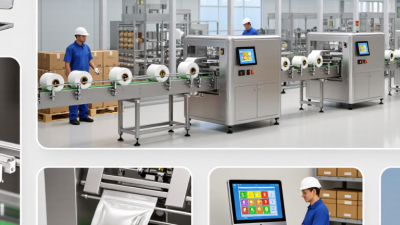
ProMach is your partner from start to finish. Our product brands are grouped into distinct business lines that make the most sense to our customers, covering every function of the production line: Filling, Bottling & Capping, Decorative Labeling, Flexibles & Trays, Pharma, Handling & Sterilizing, Labeling & Coding, Robotics & End of Line, and Systems & Integration.
learn moreChoosing among China’s top Case Packing machine manufacturers is not simply a matter of comparing prices. It means finding a machine that suits your product, carton size, line speed, and available floor space. A compact robotic cell may fit a mixed-product line, while a high-speed case erector and packer may better serve one steady format. Small details matter. Ask how quickly operators can change formats, where sensors sit, and whether routine maintenance requires special tools. These checks can reveal practical differences that a brochure may not show.
Taiichi Ohno, the Toyota production expert, wrote, “Where there is no standard, there can be no kaizen.” That principle applies to packaging lines: clear performance standards make supplier claims easier to assess. This guide looks at manufacturers through verifiable factors, including machine configurations, customization, control systems, service support, and documented production experience. Request a test with your actual product and cartons. Watch for misfeeds, crushed corners, and awkward changeovers. Then compare the results, not just the quoted cycle speed. No shortlist can replace a factory visit or a careful technical review. Even an established supplier may not suit every plant. The aim is a grounded starting point for buyers who want reliable Case Packing performance, with fewer surprises after installation.
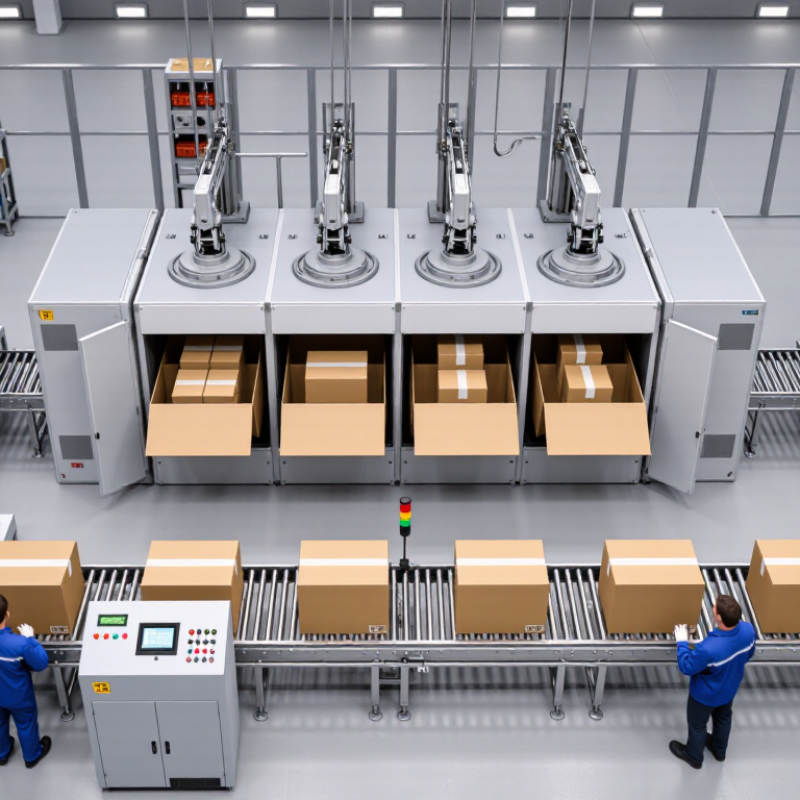
A case packing machine groups finished products and loads them into corrugated cases for storage or shipping. Depending on the line, it may form the case, arrange bottles or cartons, load them by lane or robot, then seal the flaps. Grand View Research valued the global packaging machinery market at US$52.83 billion in 2023 and projected 5.1% annual growth through 2030. This broad market figure is not specific to case packers, but it reflects rising investment in automated packaging.
These machines are common in food and beverage plants, personal-care production, and household-goods factories. A beverage line might pack bottles into wraparound cases, while a snack line may load flexible bags into cartons. The right setup depends on product shape, case style, changeover frequency, and available floor space. Speed matters. So does gentle handling. A machine that runs quickly but damages cartons can create costly stoppages.
Tip: Test real products and cases before choosing equipment. Check jam access, changeover steps, and operator visibility. Small details matter. A neat demonstration may not reveal every issue, and production conditions can be less predictable than expected.
Case packing machines group products and place them into shipping cases. They are used across industries to handle products such as bottles, cartons, pouches, and trays.
How to read this chart: Bars show the number of example product formats listed for each industry, not market share or machine sales. Actual machine suitability depends on the product, case style, and line requirements.
China’s case packing machine industry is not a single, uniform market. It includes specialist engineering firms, component suppliers, regional integrators, and manufacturers serving different production scales. Some focus on compact machines for smaller factories. Others build robotic cells for high-volume lines.
The equipment typically combines case forming, product grouping, loading, and sealing. A factory making cartons may supply blanks, while a machine builder designs the frame, controls, and changeover process. Conveyors and sensors connect these stages. On a production floor, operators may adjust guides by hand when switching from one carton size to another. That detail matters. A fast machine can still cause delays if changeovers are awkward.
Manufacturers often differ more in engineering approach than in headline speed. Buyers should examine carton-size ranges, loading patterns, guarding, spare-parts access, and service response. Ask to see a test using your actual products and cases. Watch how the machine handles uneven cartons, not just ideal samples. Published specifications are useful, but comparisons can be difficult because test conditions vary. Even experienced teams can overlook routine maintenance when judging a new line. A careful factory visit helps reveal what the brochure misses.
China’s case-packing machine market includes manufacturers with different strengths. Some focus on compact, semi-automatic equipment for smaller production lines. Others build robotic or integrated systems for high-volume operations. Notable suppliers are typically distinguished by their ability to handle specific carton styles, product shapes, and line speeds—not simply by the number of models in a catalog. Look for clear engineering documentation and responsive technical support. Details matter.
A practical comparison should include the same test conditions for each supplier. Share your product dimensions, packaging material, and target output. Ask how quickly the machine can change between carton sizes, and whether operators can access routine maintenance points without dismantling guards. A factory acceptance test with your actual products can reveal issues that a polished demonstration may miss. I would also check spare-parts availability and speak with customers running similar lines; reference checks can be inconvenient, but they are useful.
Tips: Bring sample cartons and products to a machine trial. Record achieved speed, jam frequency, and changeover time. Ask what happens when a sensor fails. Do not rely on brochure figures alone. A small point: confirm who provides commissioning and operator training before comparing final quotations.
How to Compare Manufacturers, Technologies, and Capabilities
Comparing case packing machine manufacturers takes more than checking advertised speed. Start with your actual product, case dimensions, and production rate. Ask how the machine handles bottle spacing, unstable packs, and frequent product changes. These details reveal whether a proposed system fits your line. A machine may use robotic picking, mechanical loading, or a combined layout. Each approach has different space, changeover, and maintenance needs.
Small details matter. Watch a trial using your products and cartons, not samples chosen only for a smooth demonstration. Check whether cases open squarely, packs stay aligned, and the machine recovers after a minor jam.
Compare capabilities in measurable terms. Request cycle-rate data, changeover times, utility requirements, and a clear list of included equipment. Ask who provides installation, operator training, spare parts, and remote support. Review drawings and service procedures before placing an order.
Not always easy. A polished factory tour can still leave unanswered questions about long-term support. If possible, speak with users running similar products and shifts.
It is tempting to compare only purchase prices, but downtime and difficult adjustments can reshape the real cost. Be cautious when specifications sound exact but lack test conditions. One overlooked carton size can mean weeks of avoidable rework.
Choosing a Chinese case packing machine supplier starts with your actual cartons, not a catalog speed. Send carton dimensions, product weight, packing pattern, and target cases per minute. Ask for a line layout showing the infeed, case erection, loading, sealing, and operator access. Confirm whether quoted output assumes steady product flow and ideal packaging. It often does. Request a trial with your products and inspect crushed corners, loose tape, and changeover time.
Check the supplier’s approach to machine guarding, controls, and electrical components. Request clear technical documents, a detailed quotation, and written warranty terms. Confirm what installation includes, which spare parts are recommended, and how quickly service support responds. A video call helps, but it cannot replace a factory visit or a reference call with a comparable user. Ask who will commission the machine and train operators. Get the service plan in writing.
Tips: Bring several carton sizes to the trial, including the weakest board grade you expect to use. Time a format change yourself. If the sales team cannot explain a recurring jam point clearly, ask to speak with an engineer. I would leave room for an assumption to be wrong; real production is rarely as tidy as a demonstration.
| Evaluation Area | What to Check | Evidence to Request | Warning Signs |
|---|---|---|---|
| Application and pack style | Confirm whether the machine forms, loads, and closes cases in the required format, such as regular slotted cartons, wraparound cases, or trays. Check product orientation, infeed method, and case-sealing method. | A written description of the proposed process, layout drawing, and a demonstration using representative products and packaging materials. | The supplier proposes a machine before asking about product dimensions, case style, production target, or line layout. |
| Product and carton range | Compare the minimum and maximum product dimensions, case dimensions, case weight, and allowable variation with the actual products and cartons. Ask how changeovers are made. | A documented operating range and a changeover list showing which adjustments are manual, tool-assisted, or automatic. | Range figures are provided without stating the tested product, carton material, or operating conditions. |
| Rated versus demonstrated speed | Clarify whether the quoted speed is a machine rating or a sustained rate for the complete application. Establish how rejects, product gaps, case replenishment, and upstream or downstream equipment affect output. | A timed acceptance-test plan using agreed products, cases, operating duration, and criteria for counting acceptable packed cases. | Only a headline speed is offered, with no test method or conditions. |
| Material compatibility | Check carton board quality, dimensions, print or coating, product packaging, and any special handling requirements. Test the materials intended for routine production. | Results from trials with customer-approved samples and a list of material assumptions used in the quotation. | Performance is guaranteed only with unspecified “standard” cartons or products. |
| Controls and safety | Review operator access, guarding, emergency stops, electrical requirements, control language, and compatibility with the intended factory environment. Confirm which safety standards and local rules apply at the installation site. | Electrical drawings, safety documentation, a list of included guards and interlocks, and details of the control system and language options. | Safety compliance is stated without identifying applicable requirements or providing supporting documents. |
| Integration and footprint | Check infeed and discharge heights, conveyor direction, available floor space, utilities, line-control signals, and interfaces with adjacent equipment. | A dimensioned general-arrangement drawing, utility schedule, and written interface list. | Layout or connection details are postponed until after the order is placed. |
| Factory acceptance test | Agree in advance what will be tested, which materials will be used, what constitutes an acceptable pack, and how faults or corrective actions will be recorded. | A mutually agreed factory acceptance test (FAT) protocol, test report, and sample or video evidence where an in-person test is not possible. | The supplier will not define measurable acceptance criteria before production or shipment. |
| Installation and commissioning | Establish who handles installation, commissioning, operator training, travel, site preparation, and any local technical support. | A written scope of work, schedule, site-readiness checklist, and list of customer and supplier responsibilities. | On-site services are assumed but are not included or clearly priced in the proposal. |
| Spare parts and maintenance | Ask which parts are wear items, what maintenance tasks are routine, and how replacement parts are identified and ordered. | A recommended spare-parts list, maintenance schedule, parts identification details, and stated lead-time terms. | Parts availability or response times are promised verbally without written terms. |
| Warranty and service terms | Review warranty duration, start date, exclusions, remote troubleshooting, response process, and how service costs are handled. | Written warranty terms and a clear support contact and escalation process. | Warranty scope, exclusions, or service responsibilities are unclear in the contract. |
| Supplier verification | Verify the legal contracting entity, manufacturing or assembly capability, export experience, and whether the proposed machine is built to the quoted specification. | Business and contract documentation, a live factory or production-area tour, and references for comparable applications where available. | Documentation, factory access, or answers about who is responsible for manufacture and after-sales support are inconsistent. |
| Commercial and delivery terms | Compare the full scope, exclusions, delivery basis, packing, shipment arrangements, payment milestones, and responsibilities for installation and commissioning. | A line-item quotation, agreed specification, delivery schedule, and contract terms that match the technical proposal. | The quotation omits major scope items or differs from the technical specification. |
Selection note: Machine performance and suitability depend on the product, case design, materials, line conditions, and agreed test method. Confirm application-specific claims in writing and validate them with representative samples before purchase.