ProMach is your partner from start to finish. Our product brands are grouped into distinct business lines that make the most sense to our customers, covering every function of the production line: Filling, Bottling & Capping, Decorative Labeling, Flexibles & Trays, Pharma, Handling & Sterilizing, Labeling & Coding, Robotics & End of Line, and Systems & Integration.
learn moreChoosing among Top Form Fill Seal Machine Manufacturers in China requires more than comparing catalog prices. A machine may look impressive in a showroom, yet perform differently with your actual film, product, and production schedule. Details matter.
A Form Fill Seal Machine forms packaging from a roll of film, fills each pack, and seals it in a continuous process. Buyers should examine the machine’s filling accuracy, sealing consistency, rated speed, and compatibility with intended packaging materials. Ask how quickly operators can change formats, clean product-contact areas, and identify faults through the control system. A neat touchscreen is useful, but it does not prove stable production. Ask for evidence.
Manufacturer selection also depends on practical support. Check whether the supplier can provide installation guidance, operator training, spare parts, and timely technical assistance. Request test runs using representative products and packaging film, then review samples for seal quality and fill consistency. Where possible, speak with customers whose applications resemble yours. A factory visit can reveal assembly practices and quality checks that a brochure leaves out.
No single supplier is right for every line. Product viscosity, pack size, required output, and available floor space can all change the best choice. Even published specifications need context; actual results depend on operating conditions. This comparison can help narrow the field, but it should not replace a clear technical review and supplier verification. Some details are easy to miss. That is worth remembering before making a decision.
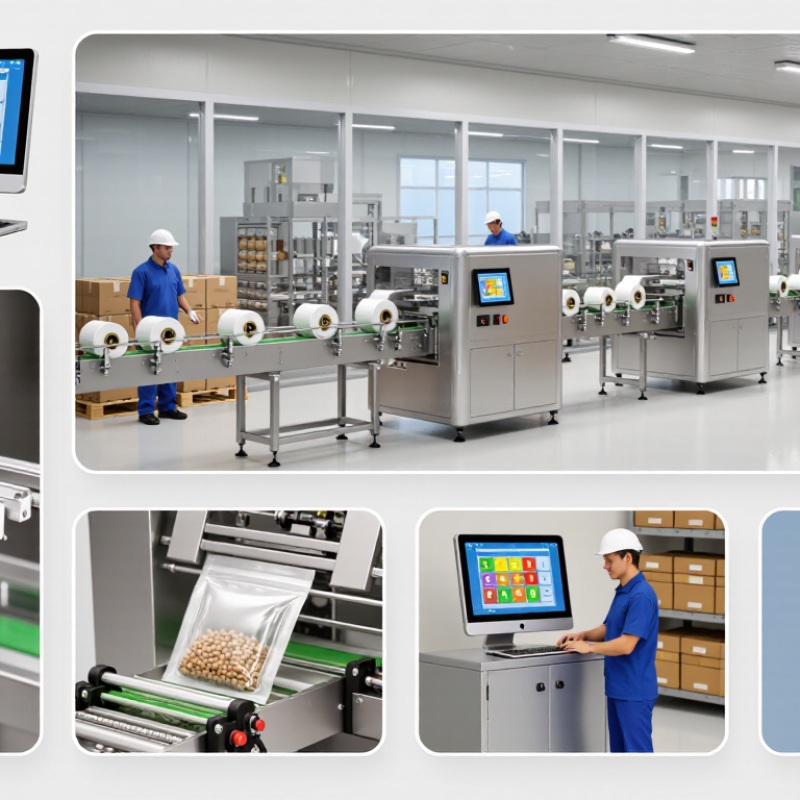
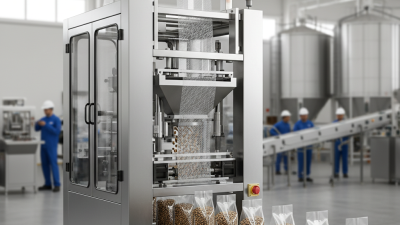
Form-fill-seal (FFS) machines make a package, fill it, and seal it in one continuous line. Vertical systems draw film downward into a tube, then form compact bags around products such as grains or powders. They suit gravity-fed filling and tight floor plans. Horizontal systems move film across a line, making pouches or packs for items that need careful placement. Think of a bar settling into a flat wrapper. Changeovers, film waste, and cleaning time still matter; the fastest machine may not be the best fit.
Aseptic FFS systems sterilize packaging material and product separately, then fill and seal them in a controlled sterile zone. They can support shelf-stable liquid foods without relying on the same thermal process used for conventional filling. The FAO’s 2019 State of Food and Agriculture estimated that 14% of food is lost between harvest and retail. Packaging alone cannot prevent that loss, but reliable seals and suitable pack formats can help protect products in distribution. Buyers should check seal integrity, filling accuracy, cleaning procedures, and real changeover times using their own materials. A small trial run often reveals awkward film tracking or slow operator adjustments. That detail is easy to overlook.
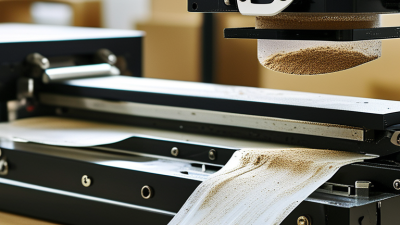
A form fill seal machine turns a roll of flexible film into filled, sealed packs in one continuous process. In a typical vertical system, film unwinds over a forming collar and wraps around a tube. A heated bar makes the lengthwise seal. Film tension matters: too loose, and wrinkles can cross the seal; too tight, and the web may stretch. Small details show up quickly.
Product then travels through a dosing unit into the forming tube. The machine makes a bottom seal, measures a dose, and forms the top seal, which often becomes the next pack’s bottom edge. Seal temperature, pressure, and dwell time must suit the film structure and line speed. There is no universal setting. Once cut, each pack moves along a discharge chute or conveyor for inspection or downstream packing. Operators should watch for skewed seals, inconsistent fills, and film tracking drift. A clean-looking pack is not always a sound one, so periodic seal checks are useful. The sequence sounds simple; keeping it stable over a full shift can be less tidy.
| Process Stage | How It Works | Typical Machine Components | Key Checks | Common Applications |
|---|---|---|---|---|
| 1. Film Feeding | A roll of flexible packaging film is unwound and guided into the machine. Registration controls may align printed artwork with the pack-forming position. | Roll holder, tension-control system, guide rollers, and—in printed-film applications—a registration sensor. | Correct film orientation, stable web tension, tracking, and print-mark alignment. | Printed or unprinted flexible-film packaging for bags, sachets, and pouches. |
| 2. Film Forming | In a vertical FFS machine, film is shaped around a forming tube and joined into a tube. In horizontal FFS systems, film may be formed into pockets or shaped around a product, depending on the machine design. | Forming collar and tube for many vertical systems; forming tools, guides, or forming stations in horizontal systems. | Pack dimensions, film tracking, forming consistency, and correct longitudinal-seal position where applicable. | Pillow bags, three-side-seal packs, and formed pockets, depending on machine configuration. |
| 3. Product Filling | A measured quantity of product is delivered into the formed pack or pocket. The dosing method is selected to suit the product’s physical properties. | Examples include auger fillers for powders, volumetric cups or weighers for solids, and pumps or flow meters for liquids. | Dose accuracy, product flow, fill level, and keeping product away from the seal area. | Powders, granules, snacks, components, pastes, and liquids when matched with a suitable dosing system. |
| 4. Sealing and Cutting | Heated sealing jaws or other compatible sealing tools join the film layers. Cutting tools separate individual packs; some machines form the bottom seal before filling and the top seal afterward. | Horizontal and vertical sealing jaws, temperature controls, pressure or motion controls, and a cutting unit. | Seal temperature, dwell time, pressure, seal cleanliness, cut position, and finished-pack integrity. | Heat-sealable films compatible with the machine’s sealing method and process settings. |
| 5. Pack Discharge | Finished packs leave the forming and sealing area and move to collection, inspection, or downstream packaging equipment. | Discharge conveyor, pack counter, checkweigher, metal detector, or case-packing interface, as required by the line. | Smooth transfer, correct pack orientation, count, weight, and any product-specific inspection requirements. | Collection for manual packing or transfer into automated inspection and secondary-packaging systems. |
| Selection note: FFS machine configuration, production rate, pack format, and compatible film depend on the product, dose size, package design, and required inspection or downstream equipment. Confirm these requirements with the equipment supplier and validate them using the intended product and packaging film. | ||||
FFS output is best compared by package format, not by headline speed alone. Typical rates range from 30 to 200 packs per minute, depending on the application. The lower end may suit larger pouches, thicker products, or careful dosing. Compact sachets can run faster, especially on multi-lane equipment. It depends.
A vertical FFS line making small, free-flowing powder sachets may reach higher rates when seals form consistently and film feeds smoothly. A horizontal system producing larger packs often runs slower because each pack needs more forming and handling time. Cups and trays bring different limits: filling accuracy, clean rims, and sealing dwell can set the pace. These are practical ranges, not guarantees.
When assessing FFS machine manufacturers in China, ask for output using your exact film, pack dimensions, and product. Request a timed test that counts rejected packs, not just machine cycles. Check whether the quoted rate assumes one lane, ideal materials, and uninterrupted production. Changeovers and cleaning can reduce daily output. I would be cautious about comparing a best-case number with a stable, saleable rate. Test conditions are sometimes not explained clearly enough.
Indicative production-rate ranges in packs per minute. Actual output varies with machine configuration, number of lanes, product, pack size, and sealing requirements.
Top Form Fill Seal Machine Manufacturers in China?
Chinese FFS manufacturers vary more by application than by headline speed. Their product ranges commonly include vertical systems for powders, granules, and liquids, plus horizontal machines for pouches or individual packs. Options may cover auger fillers, volumetric cups, liquid pumps, date coding, and different sealing styles. A machine suited to dry seasoning may not handle a foaming liquid reliably. Ask for product-specific test results, not only a catalogue specification.
Export markets include parts of Asia, the Middle East, Africa, Europe, and the Americas, though each manufacturer’s reach differs. Compare export experience alongside machine range: request references for similar packaging materials, local service arrangements, spare-parts lead times, and manuals in a language your operators can use. Check the stated output under your actual film width and filling conditions. Quoted speeds can be optimistic; I would treat them as a starting point, not a promise.
Tips: Send sample product and film before choosing. Ask for a recorded factory acceptance test, including seal checks and changeover time. Also confirm voltage, guarding, and cleaning access. Small details matter. A low purchase price may become less attractive if routine parts take weeks to arrive.
When comparing form fill seal machine manufacturers in China, match the machine to your actual pack range. Ask for samples made at the smallest and largest sizes you expect to run. Film width, product viscosity, and target speed can change the machine configuration. A brochure number is not a production test. Request a trial using your film and product, then check changeover time and rejected packs.
Seal quality deserves close inspection. Look for even seal width, clean edges, and no product trapped in the sealing area. Run samples through leak, drop, and storage checks suited to your package. Ask how temperature, pressure, and dwell time are controlled. Small variations matter. Inspect seals after a longer continuous run, too; that test is easy to overlook during a short demonstration.
Review relevant quality-system documents and electrical or food-contact compliance evidence for your destination market. Check each document’s scope and expiry date rather than relying on a certificate image alone. Compare total cost, including tooling, installation, operator training, spare parts, and expected downtime. Get maintenance intervals and replacement-part prices in writing. A cheaper quote can become expensive when a custom sealing jaw takes weeks to arrive. Forecasts are imperfect, so ask suppliers to explain their assumptions and allow for unexpected service costs.