Top 10 Form Fill Seal Machine Manufacturers Worldwide

Choosing the right Form Fill Seal machine can shape an entire packaging operation. It affects production speed, seal quality, material waste, hygiene, labor, and maintenance costs. This matters on a busy factory floor, where film rolls turn continuously and one unstable seal can stop a line.

Packaging machinery consultant Andrew Streeter observes, “The best machine is the one that runs consistently, not the one with the highest theoretical speed.” That principle guides this review of the Top 10 Form Fill Seal Machine Manufacturers Worldwide. Real performance deserves more attention than impressive brochures. A machine rated for 180 bags per minute may deliver less after product changes, film variation, cleaning cycles, and operator adjustments.

This comparison considers practical evidence. It examines machine design, filling accuracy, sealing control, automation, changeover time, safety features, energy use, after-sales support, and global service coverage. It also considers whether manufacturers serve food, pharmaceuticals, household products, or industrial goods. Those details matter. So does the supplier’s ability to provide spare parts and technical training.

No ranking is perfectly neutral. Different factories need different strengths. A compact vertical system may suit powdered products, while a horizontal machine may handle fragile items more gently. Some manufacturers also publish limited operating data, which makes direct comparison difficult. That weakness should be acknowledged, not hidden. The following overview therefore combines technical information, industry experience, and realistic purchasing considerations to identify manufacturers worth serious evaluation.
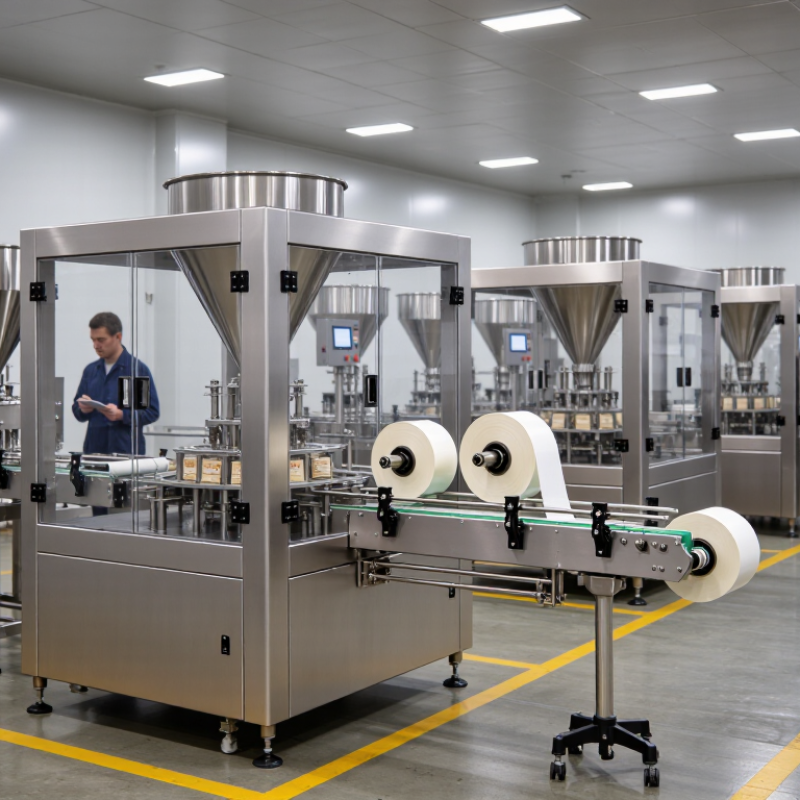
Top 10 Form Fill Seal Machine Manufacturers Worldwide

What Is a Form-Fill-Seal Machine?

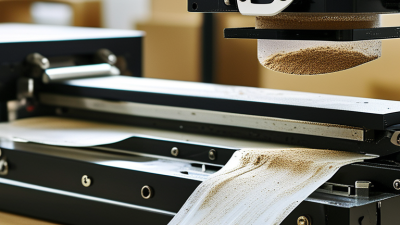
A form-fill-seal machine makes a package from a continuous roll of flexible film. It forms the film, fills the product, and seals the pack in one controlled sequence.

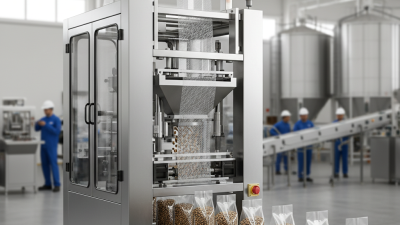
Depending on its design, the film moves vertically or horizontally. Vertical systems commonly handle powders, granules, and liquids. Horizontal systems suit many solid products.

Sensors track film position, temperature, pressure, and product flow. These controls help maintain consistent dimensions and reduce material waste.

The machine may look simple from outside. Timing matters.

A small temperature change can weaken a seal or distort the package. In a working line, technicians check seal strength, jaw alignment, film tension, and filling accuracy.

They also examine dust, moisture, and wrinkles, because minor contamination can cause leaks.

Good operation depends on more than machine speed. Film structure, product behavior, cleaning routines, and operator training all affect performance. This is where specifications can become misleading.

A faster cycle is not always a better result.

A machine that runs quickly but creates unstable seals may increase downtime and rejected packs. The better assessment asks whether the system matches the product, film, facility, and quality requirements.

Some installations still need adjustment after commissioning. That is normal, but it should be documented and corrected.

How Form-Fill-Seal Machines Operate

Form-fill-seal machines convert flexible film into finished packages through a controlled, continuous sequence. According to Grand View Research, the global form-fill-seal machine market was valued at more than USD 20 billion in 2023, with steady growth expected. This demand reflects rising needs for speed, hygiene, and consistent portion control.

The process starts when a film roll unwinds through tension guides. A forming collar shapes the film into a tube. Sensors monitor alignment and film movement. The filling system then dispenses a measured product into each pouch. Horizontal and vertical jaws apply heat and pressure, creating airtight seals before a cutting unit separates the packages. Modern machines can perform hundreds of cycles per minute, but speed is not everything. Poor film tension, uneven temperature, or trapped product can weaken a seal. The sequence looks simple. It is not.

Tips: Check seal temperature, pressure, and dwell time together. Inspect samples at regular intervals, not only during startup. PMMI industry reports frequently highlight labor efficiency and automation as major packaging priorities. Still, operators should question every “automatic” setting. A stable machine may hide gradual film waste, drifting fill weights, or small seal defects. Trial results can also change with humidity, film structure, and product texture. This is where practical experience matters. Perfect output is a useful target, but not always a realistic assumption.

Types of Form-Fill-Seal Machines and Their Applications

Form-fill-seal machines combine film forming, product filling, and package sealing in one controlled process. Their design affects speed, hygiene, waste, and seal reliability. Vertical form-fill-seal machines create bags from a roll of film. They suit snacks, grains, powders, and liquid products. A vertical system needs stable product flow. Uneven feeding can create weak seals or inconsistent weights.

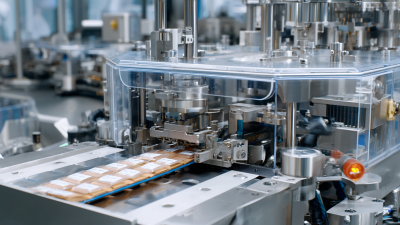
Horizontal form-fill-seal machines wrap products between two film layers. They work well with baked goods, medical supplies, household items, and individually portioned products. Their flat structure supports gentle handling of fragile items. Thermoform-fill-seal machines heat plastic film, shape cavities, fill them, and apply a sealing layer. They are common in food trays and controlled medical packaging. These systems require careful temperature control. Excess heat may distort cavities or damage the film.

Stick-pack and sachet machines produce narrow or small sealed packs. They are useful for powders, sauces, samples, and single-use portions. Servo drives improve filling accuracy, while optical sensors track printed registration marks. In real production, film moisture and dust can change sealing results. Operators should check seal strength, package appearance, and fill weight during each shift. A machine may run quickly, yet poor changeover design can reduce practical output. This is often overlooked. Product trials should test real film, actual product, and expected production speed. Laboratory results alone can mislead. Hygienic construction, guarded moving parts, traceable settings, and documented maintenance also support dependable operation.

Criteria for Evaluating Global FFS Machine Manufacturers

When comparing the top 10 form fill seal machine manufacturers worldwide, buyers should examine evidence, not impressive claims. A reliable evaluation begins with practical experience: machine speed, seal consistency, film handling, and changeover time. Ask for production records from facilities using similar products and package sizes. A glossy demonstration is not enough. Inspect the sealing area closely.

Engineering depth matters because FFS equipment combines mechanics, controls, heat management, and hygienic design. Review forming accuracy, temperature control, sensor response, and reject handling during continuous operation. Request documented test results, tolerance ranges, and maintenance intervals.

The best suppliers explain limitations clearly. They should also provide operator training, spare-parts planning, remote diagnostics, and local service capacity. Check whether manuals are precise enough for a technician at 2 a.m.

Authority should be supported by traceable installations, qualified engineers, safety documentation, and consistent after-sales records. Evaluate total cost, not only the purchase price. Energy use, film waste, downtime, and sanitation labor can change the calculation. A factory visit may reveal vibration, awkward access, or noisy operation that brochures omit. I would score each manufacturer with the same checklist, then challenge the results through operator feedback. Some judgments will remain subjective. That is worth admitting. A perfect ranking is unlikely.

Top 10 Form-Fill-Seal Machine Manufacturers Worldwide

Top 10 Form-Fill-Seal Machine Manufacturers Worldwide

The top 10 form-fill-seal machine manufacturers worldwide are judged by more than sales volume. Buyers examine sealing accuracy, film compatibility, changeover time, uptime, and service coverage. Grand View Research estimates that the global form-fill-seal machine market reached about USD 9.8 billion in 2023. Its forecast also indicates steady growth through 2030, driven by packaged food, pharmaceuticals, and personal care production.

Manufacturers leading this field typically offer vertical and horizontal systems, servo-controlled dosing, and automated quality checks. PMMI reports that packaging automation investments increasingly focus on labor reduction, traceability, and flexible production. A strong machine should maintain stable seals during long shifts, even when film tension changes. Operators also need clear touchscreen controls and quick access to forming collars, sensors, and sealing jaws.

Not every ranking is reliable.

Public market reports use different definitions, regions, and revenue methods. Therefore, a “top 10” list can change between sources. Buyers should verify installed-machine data, regional technicians, spare-parts response times, and tested output rates. A brochure may claim 300 packs per minute, but actual speed depends on product shape, film structure, and pack size. Factory trials matter. So does the messy evidence from daily operation. Manufacturers with documented validation records, transparent performance limits, and practical training deserve stronger consideration than companies relying only on impressive specifications.